
Vegan Recipe App
T-Shirts for Activists
Newsletter
Become a Member
Partner with us
Cookbooks
Petitions
Product Features
Adopt-a-Pet
Get thousands of vegan, allergy-friendly recipes in the palm of your hands today!
X
Get your favorite articles delivered right to your inbox!
X
1.5K Views
3 years ago
The Rising Threat of Chronic Kidney Disease is Fueled by Climate Change

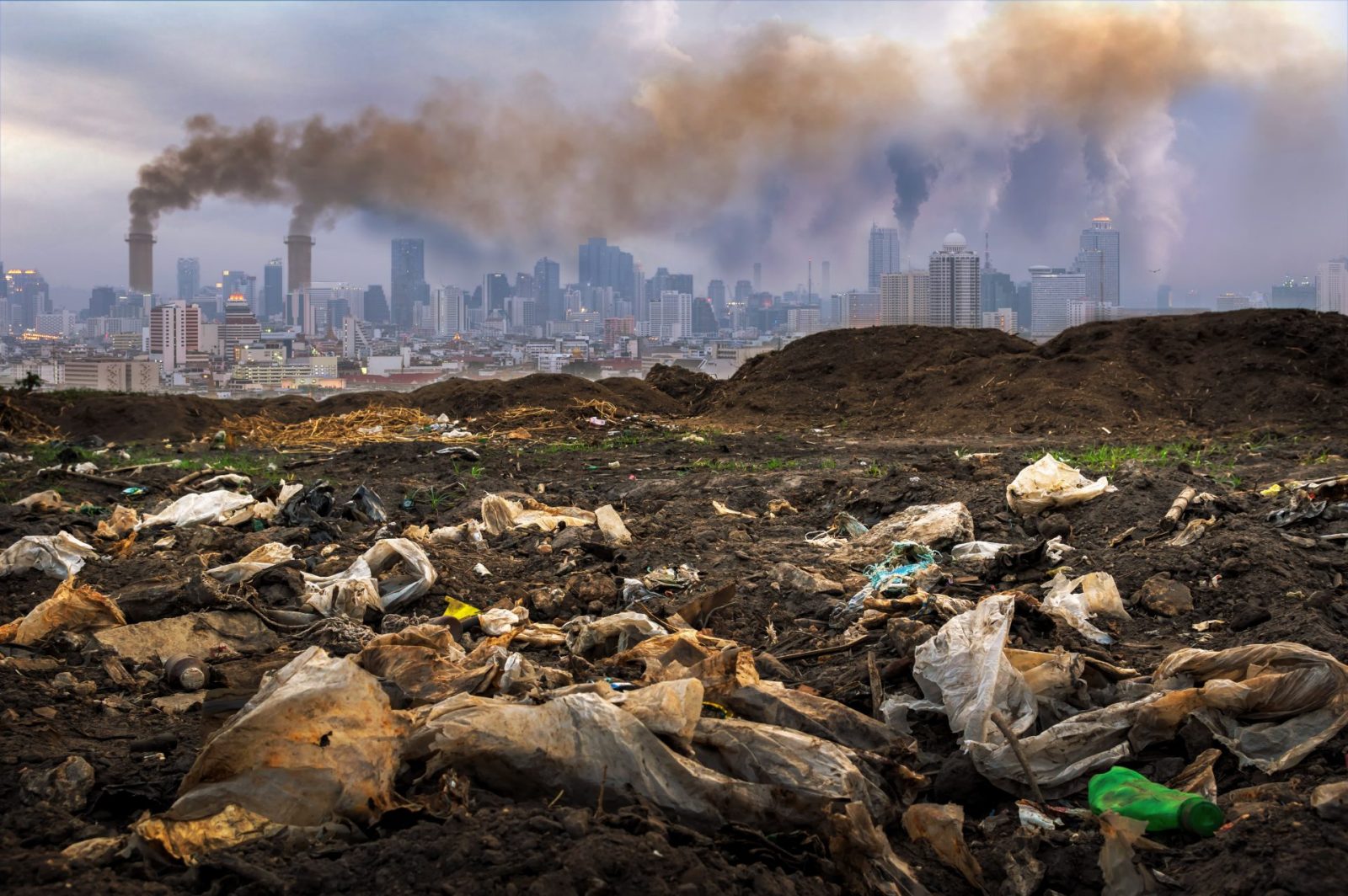
Image Credit: Pixel-Shot/Shutterstock
For brands
Want to reach our audience?
Climate change is known to unleash wildfires, heatwaves, and rising seas, but there’s an underreported consequence that’s causing concern in the medical community – Chronic Kidney Disease of Non-traditional origin (CKDnt). This disease is now becoming the “black lung” of climate change. July was officially declared the world’s hottest month, a scorching 1.5°C (2.7°F) above pre-industrial averages. This isn’t just a matter of comfort. For outdoor laborers working in high-heat conditions, the consequences are fatal.
Source: SugarMD/YouTube
First spotted among sugarcane workers in El Salvador, CKDnt has claimed at least 20,000 lives in Central America and tens of thousands more globally. As the planet gets hotter, the cases are rising, especially in the tropical and equatorial regions. What is CKDnt? It’s a deadly progressive loss of kidney function linked to high heat, humidity, and hard labor. Think of rice farmers in Thailand, brickmakers in India, and even farmworkers in the United States.
Epidemiologist Jason Glaser calls it the world’s first occupational disease caused by climate change. The sad part? It can be prevented with workplace safety standards. But things are slow to change. The Biden Administration has directed the U.S. Occupational Safety and Health Association to create federal heat safety standards, but these will take years to implement.
Doctor Farhad Modarai, focused on kidney care, highlights that extreme weather and air Pollution are increasing risks. Dehydration and fatigue in laborers can lead to urinary tract infections or kidney stones, which over time cause cumulative damage. The wildfire smoke adds to the threat, carrying particles that can reach the kidneys and cause long-term harm. According to Glaser, about 8-10% of workers with acute kidney injury will develop CKDnt within a year. It’s five times more likely within five years. The disease is not limited to other countries; it’s here in the U.S., affecting our workers. Without a robust public health database, the creation of treatment protocols and compensation plans is nearly impossible. But ignoring CKDnt isn’t an option.
Climate change’s heat is a global crisis, affecting our planet in seen and unseen ways. The rise of CKDnt is a grim reminder that the impacts are broader and more personal than we might think. As Glaser says, it’s time to prevent this deadly condition from becoming the next unnoticed epidemic, especially when the workers affected are earning so little. It’s a wake-up call to all to take action against Climate change and protect those most vulnerable.

Wake Up Climate Change Is Real by Tiny Rescue: Climate Collection
Being publicly-funded gives us a greater chance to continue providing you with high-quality content.Click here to Support Us
Related Content:
- Is Climate Change Altering Our Dreams?
- Why Work Hours Might Need to Change Due to Climate Change
- Climate Change May Kill 900 Bird Species by 2100
- Climate Change Is Making Human Brains Smaller
- EPA Releases Report Showing Health Impacts of Climate Change on Children in the US
Easy Ways to Help the Planet:
- Eat Less Meat: Download Food Monster, the largest plant-based Recipe app on the App Store, to help reduce your environmental footprint, save animals and get healthy. You can also buy a hard or soft copy of our favorite vegan cookbooks.
- Reduce Your Fast Fashion Footprint: Take initiative by standing up against fast fashion Pollution and supporting sustainable and circular brands like Tiny Rescue that raise awareness around important issues through recycled zero-waste clothing designed to be returned and remade over and over again.
- Support Independent Media: Being publicly funded gives us a greater chance to continue providing you with high-quality content. Please consider supporting us by donating!
- Sign a Petition: Your voice matters! Help turn petitions into victories by signing the latest list of must-sign petitions to help people, animals, and the planet.
- Stay Informed: Keep up with the latest news and important stories involving animals, the environment, sustainable living, food, health, and human interest topics by subscribing to our newsletter!
- Do What You Can: Reduce waste, plant trees, eat local, travel responsibly, reuse stuff, say no to single-use plastics, recycle, vote smart, switch to cold water laundry, divest from fossil fuels, save water, shop wisely, Donate if you can, grow your food, volunteer, conserve energy, compost, and don’t forget about the microplastics and microbeads lurking in common household and personal care products!
Discover Our Latest Posts









Sign Up
Newsletter
Get your favorite articles delivered right to your inbox! Sign up for daily news from OneGreenPlanet.
Support
Keep One Green Planet independent — chip in what you can, or become a member and get ad-free browsing, a voice in our community, and the good feeling of fueling a sustainable, healthier, and kinder world.





Comments: