Vegan Recipe App
T-Shirts for Activists
Newsletter
Become a Member
Partner with us
Cookbooks
Petitions
Product Features
Adopt-a-Pet
Get thousands of vegan, allergy-friendly recipes in the palm of your hands today!
X
Get your favorite articles delivered right to your inbox!
X
1.6K Views
3 years ago
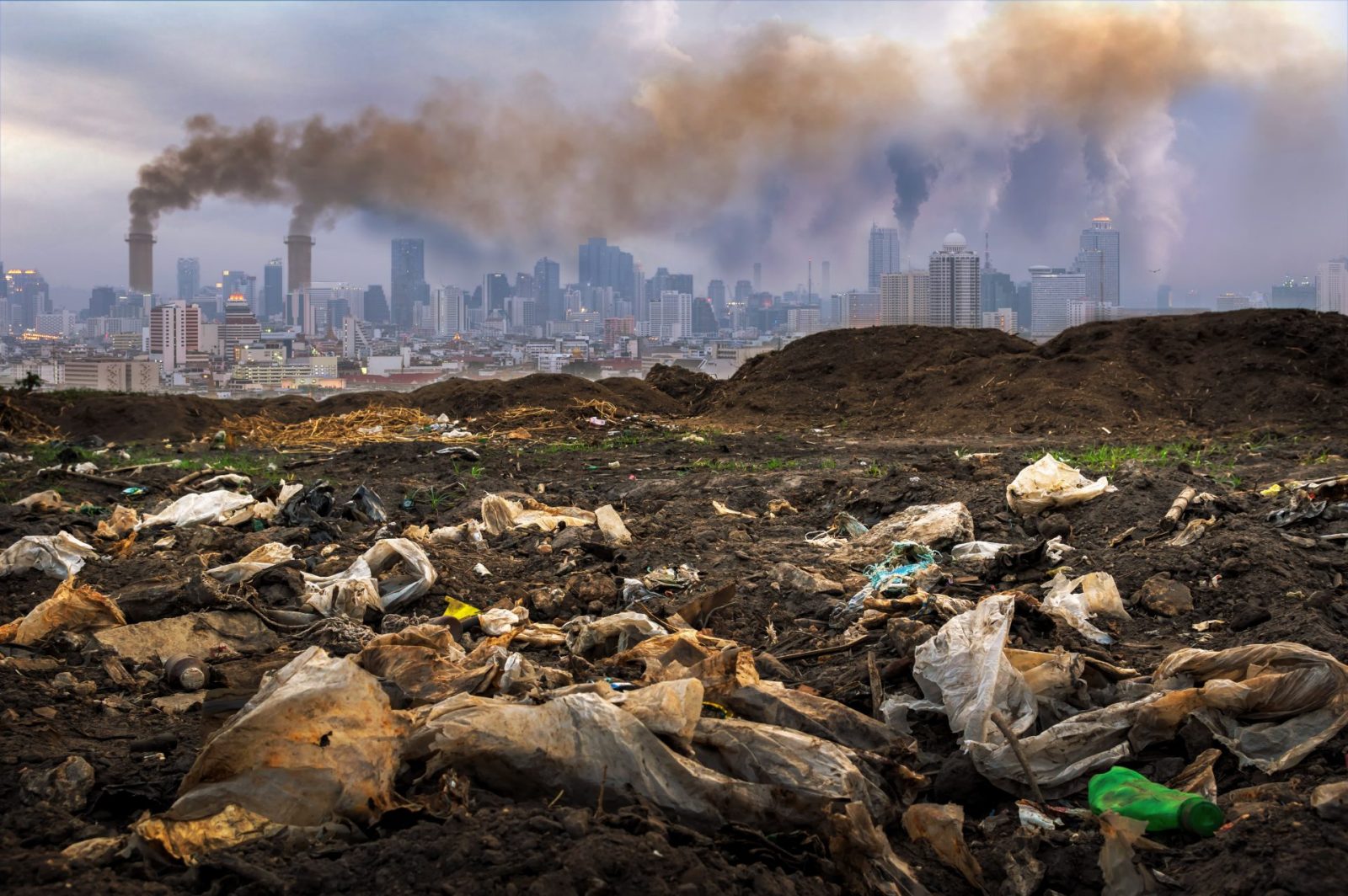
Asteroid-Tethered Sun ‘Umbrella’ Could Combat Climate Change
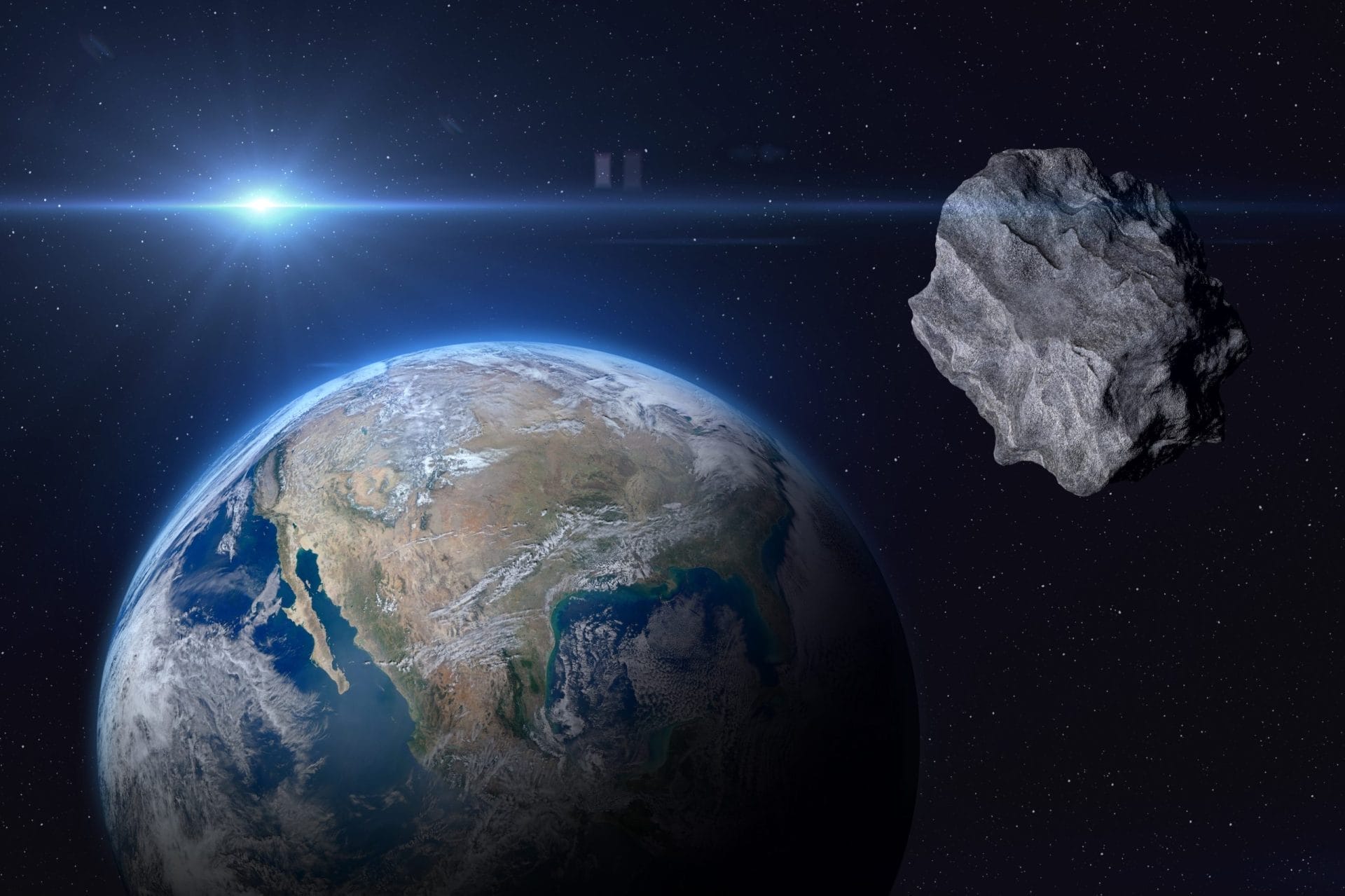
Image Credit: buradaki/Shutterstock
For brands
Want to reach our audience?
In an inventive attempt to curb the adverse impacts of climate change, István Szapudi, an astronomer at the University of Hawaii Institute for Astronomy, has proposed a unique concept. He envisions a solar shield that reduces the amount of sunlight reaching Earth, complemented by an asteroid used as a counterweight.
Source: Vox/YouTube
Published in the Proceedings of the National Academy of Sciences, Szapudi’s idea tackles the long-standing problem of managing solar radiation. Solar shields have been suggested in the past as a method to cool the Earth. However, the weight required to balance gravitational forces and prevent the shield from being blown away by solar radiation has proved prohibitive due to the associated cost.
Szapudi’s innovative approach includes two key elements. The first is the tethered counterweight, which reduces the total mass by more than 100 times. The second is the use of a captured asteroid as the counterweight, eliminating the need to launch the majority of the mass from Earth.
Szapudi’s goal is to decrease solar radiation by 1.7%, the estimated amount required to avert a disastrous global temperature rise. His calculations suggest that a tethered counterbalance system could reduce the combined weight of the shield and counterweight to approximately 3.5 million tons. This figure is significantly lighter than the previously estimated mass for an untethered shield.
However, only 1% of this weight – about 35,000 tons – would constitute the shield itself, the part that needs to be launched from Earth. The remaining 99% would consist of asteroids or lunar dust, serving as a counterweight. Using new, lighter materials could reduce the shield’s mass even further, making it more feasible to build and deploy than other shield designs.
Szapudi’s proposed method of solar radiation management remains a challenging task with current rocket launch capabilities. However, by leveraging today’s technology, Szapudi’s plan brings the concept into the realm of feasibility. His research underlines the critical need for a strong, lightweight tether connecting the shield and the counterweight, a development we look forward to seeing in the future.
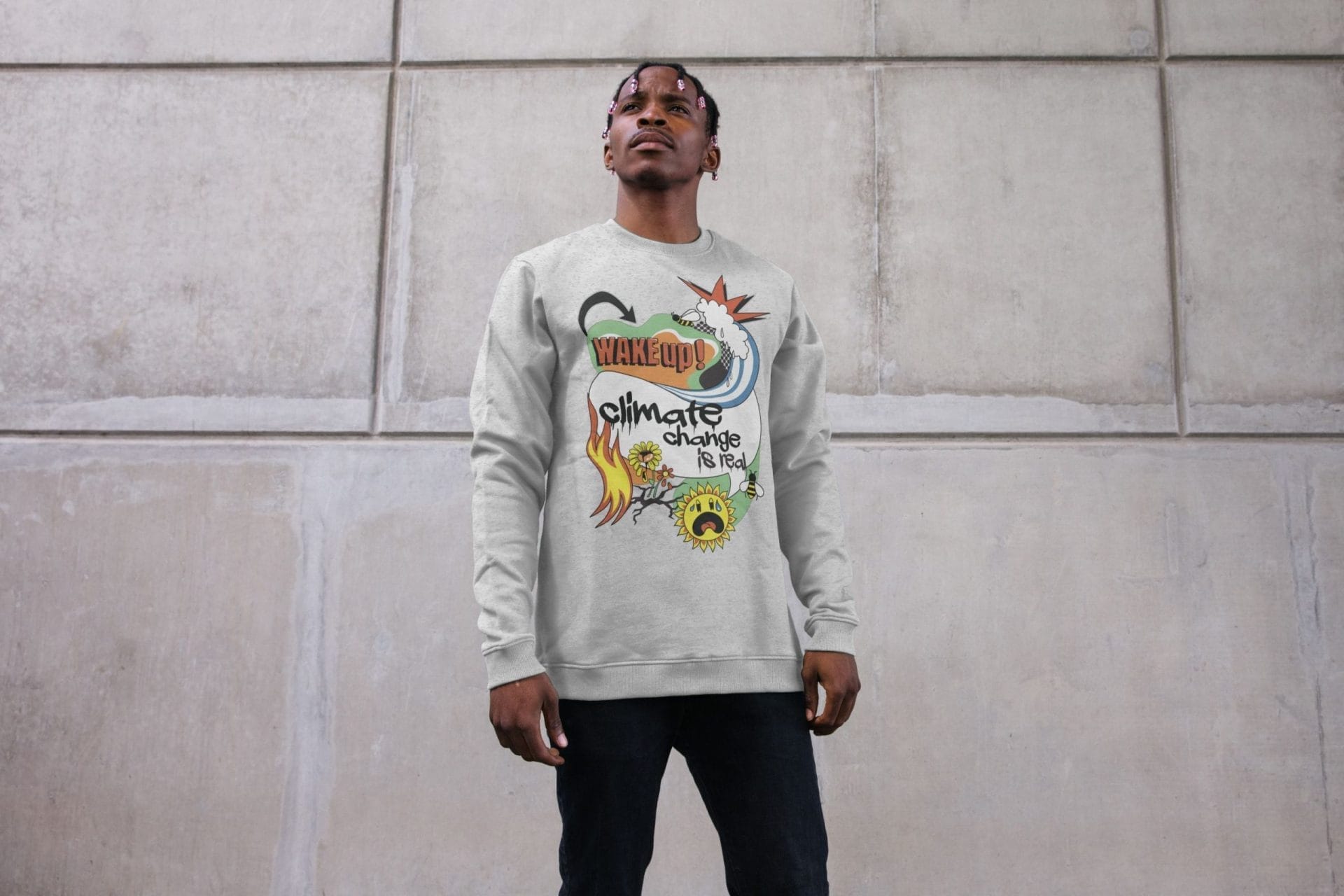
Wake Up Climate Change Is Real by Tiny Rescue: Climate Collection
Being publicly-funded gives us a greater chance to continue providing you with high-quality content.Click here to Support Us
Related Content:
- Climate Change Puts China’s Ancient Silk Road Murals at Risk
- Climate Change Is Making Human Brains Smaller
- Climate Change To Blame For Thousands of Dead Fish On Thai Beach
- Climate Change Affects 50 Percent of Parents’ Decisions to Have Kids
- The Effects of Climate Change on Sea Turtles
Easy Ways to Help the Planet:
- Eat Less Meat: Download Food Monster, the largest plant-based Recipe app on the App Store, to help reduce your environmental footprint, save animals and get healthy. You can also buy a hard or soft copy of our favorite vegan cookbooks.
- Reduce Your Fast Fashion Footprint: Take initiative by standing up against fast fashion Pollution and supporting sustainable and circular brands like Tiny Rescue that raise awareness around important issues through recycled zero-waste clothing designed to be returned and remade over and over again.
- Support Independent Media: Being publicly funded gives us a greater chance to continue providing you with high-quality content. Please consider supporting us by donating!
- Sign a Petition: Your voice matters! Help turn petitions into victories by signing the latest list of must-sign petitions to help people, animals, and the planet.
- Stay Informed: Keep up with the latest news and essential stories involving animals, the environment, sustainable living, food, health, and human interest topics by subscribing to our newsletter!
- Do What You Can: Reduce waste, plant trees, eat local, travel responsibly, reuse stuff, say no to single-use plastics, recycle, vote smart, switch to cold water laundry, divest from fossil fuels, save water, shop wisely, Donate if you can, grow your food, volunteer, conserve energy, compost, and don’t forget about the microplastics and microbeads lurking in common household and personal care products!
Discover Our Latest Posts







Sign Up
Newsletter
Get your favorite articles delivered right to your inbox! Sign up for daily news from OneGreenPlanet.
Support
Keep One Green Planet independent — chip in what you can, or become a member and get ad-free browsing, a voice in our community, and the good feeling of fueling a sustainable, healthier, and kinder world.




Comments: