
Vegan Recipe App
T-Shirts for Activists
Newsletter
Become a Member
Partner with us
Cookbooks
Petitions
Product Features
Adopt-a-Pet
Get thousands of vegan, allergy-friendly recipes in the palm of your hands today!
X
Get your favorite articles delivered right to your inbox!
X
12 months ago
Ultra-Processed Foods Linked to Declining Male Fertility
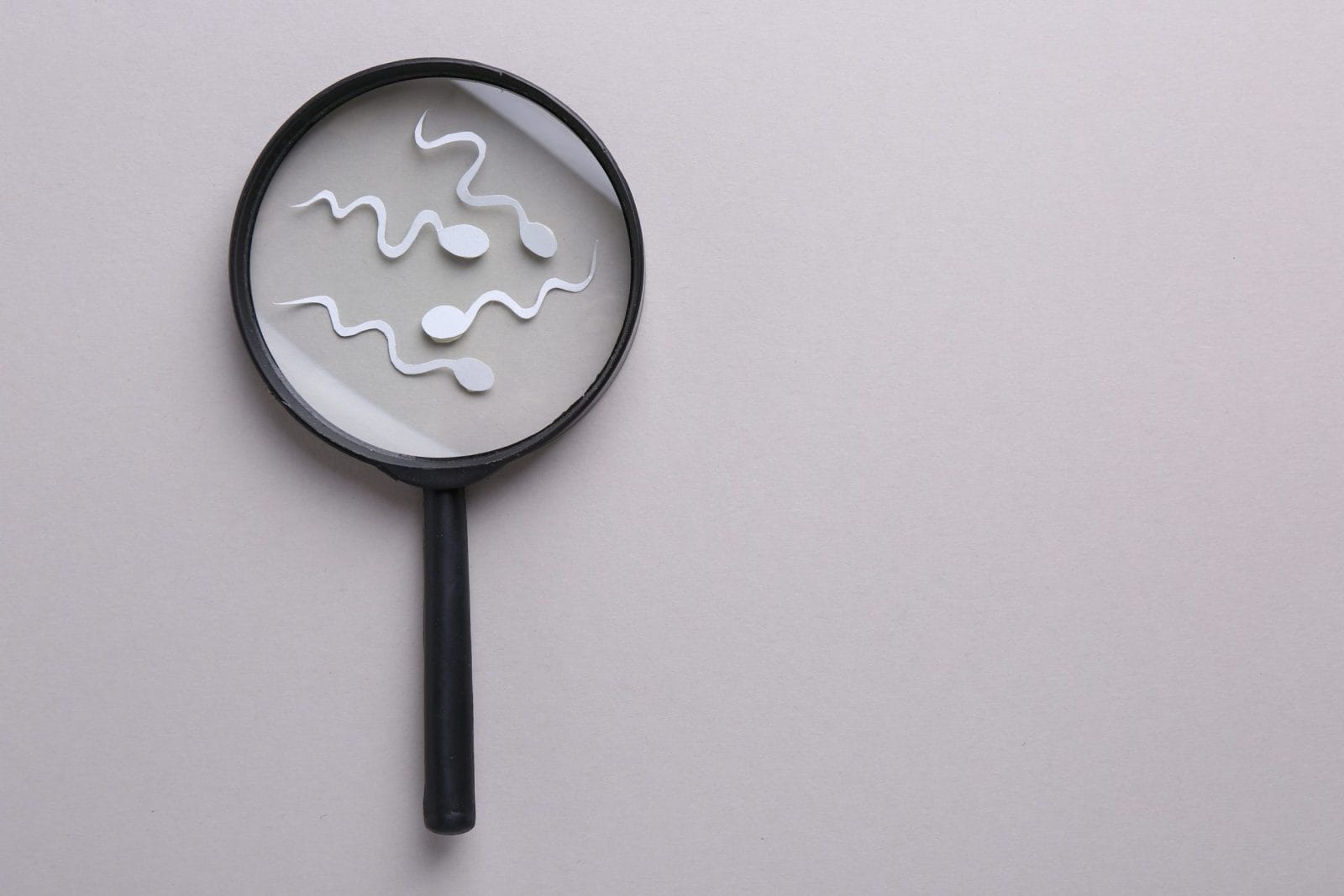
Image Credit: New Africa/Shutterstock
For brands
Want to reach our audience?
Ultra-processed foods may be quick, cheap, and convenient, but new evidence suggests they’re doing more harm than most people realize. According to Healthline, a recent study published in Cell Metabolism has linked diets high in ultra-processed foods not only to weight gain and chronic illness but also to reduced sperm quality and disrupted hormone levels in men.
The research found that men who consumed mostly ultra-processed foods experienced changes in reproductive hormones, including lower testosterone and follicle-stimulating hormones—both essential for healthy sperm production. Alarmingly, these effects appeared even when participants consumed the same number of calories as those on an unprocessed diet, suggesting it’s the type of food, not just the amount, that matters most.
Researchers believe part of the problem lies in endocrine-disrupting chemicals, like phthalates, that leach from the plastic packaging used for processed foods. These substances can interfere with the body’s hormonal systems, and their effects may help explain why global sperm counts have plummeted by an estimated 60% since the 1970s.
This isn’t the first time ultra-processed foods have been in the spotlight for health concerns. They already make up more than half of the average American diet, fueling obesity, type 2 diabetes, heart disease, and even cognitive decline. Many of these foods are loaded with sugar, salt, and unhealthy fats while crowding out nutrient-dense staples like fruits, vegetables, and whole grains that truly benefit the body, environment, and overall health.
A plant-based, whole-food diet rich in fiber, vitamins, and antioxidants can help protect reproductive health while also reducing the strain industrial food systems place on the earth. By choosing more natural and less processed foods, we Support both personal health and a more sustainable food future.
Making small changes—like swapping packaged snacks for fresh fruit or choosing plant-based meals over processed meat alternatives—can make a huge difference for both the body and the planet.
Being publicly-funded gives us a greater chance to continue providing you with high-quality content.Click here to Support Us
Sign These Petitions!
Please sign our latest and most urgent petitions to help the planet. Every signature counts!
- Petition: Investigate NYC Dog Hoarding Case to Stop Animal Cruelty
- Petition: Stop Lifetime Cruelty to Animals in Saratoga County
- Petition: Stop Pesticide Corporations from Blocking Lawsuits
Related Content:
- Study Links Ultra-Processed Foods to Shorter Lives
- Ultra-Processed Foods Linked to Over 124,000 Preventable Deaths in the US
- RFK Jr. Says Ultra-Processed Foods Are Poisoning Americans
- The Impact of Ultra-Processed Food on Your Physical and Mental Wellbeing
Easy Ways to Help the Planet:
- Eat Less Meat: Download Food Monster, the largest plant-based Recipe app on the App Store, to help reduce your environmental footprint, save animals and get healthy. You can also buy a hard or soft copy of our favorite vegan cookbooks.
- Adopt-a-Pet: Visit WildWatchers, a watchdog platform specifically designed for animal, earth, and wildlife warriors to actively give back, rescue, and protect animals and the planet.
- Reduce Your Fast Fashion Footprint: Stand against fast fashion Pollution by supporting circular brands like Tiny Rescue, which create cause-based collections using recycled, zero-waste clothing designed to be returned and remade, ensuring it never ends up in a landfill.
- Shop Sustainably for Your Home: Visit SustaiNOBLE.org, an eco-friendly and ethically sourced home decor store that will empower your home with luxurious fair-trade, and sustainable products made by global artisans.
- Support Independent Media: Being publicly funded gives us a greater chance to continue providing you with high-quality content. Please consider supporting us by donating!
- Sign a Petition: Your voice matters! Help turn petitions into victories by signing the latest list of must-sign petitions to help people, animals, and the planet.
- Stay Informed: Keep up with the latest news and important stories involving animals, the environment, sustainable living, food, health, and human interest topics by subscribing to our newsletter!
- Do What You Can: Reduce waste, plant trees, eat local, travel responsibly, reuse stuff, say no to single-use plastics, recycle, vote smart, switch to cold water laundry, divest from fossil fuels, save water, shop wisely, Donate if you can, grow your food, volunteer, conserve energy, compost, and don’t forget about the microplastics and microbeads lurking in common household and personal care products!
Discover Our Latest Posts









Sign Up
Newsletter
Get your favorite articles delivered right to your inbox! Sign up for daily news from OneGreenPlanet.
Support
Keep One Green Planet independent — chip in what you can, or become a member and get ad-free browsing, a voice in our community, and the good feeling of fueling a sustainable, healthier, and kinder world.





Comments: