
Vegan Recipe App
T-Shirts for Activists
Newsletter
Ad-Free Browsing
Cookbooks
Petitions
Product Features
Adopt-a-Pet
Get thousands of vegan, allergy-friendly recipes in the palm of your hands today!
X
Get your favorite articles delivered right to your inbox!
X
7K Views
1 year ago
Discover Why Honey Bees Dance in These 5 Must-See Videos!

Image Credit: Jag_cz/Shutterstock

Audio By Carbonatix
Did you know that bees talk through dance moves? Honeybees have a special way of communicating where the best food is by dancing to give directions. It’s like a secret language that helps them stay alive and fed. Let’s dive into the world of honeybee communication and see how their dance routines are more than just for show!
1. An Inside Look
Source: Inside Science/Youtube
This video shows the amazing communication between honeybees. According to James Nieh, a professor at the University of California San Diego, bees can communicate with just a wiggle. He said, “So a bee that dances inside the nest, let’s say she goes out to find a good food source. She’ll find that flower, and if it’s rewarding enough, she’ll come back, and she’ll do this dance that almost looks like a figure 8 of a bee dancing back and forth and then waggling her butt, if you will, her abdomen. And that waggling is key because the angle at which she’s waggling and the duration of time she spends doing it tells bees where to go to find food.”
2. The Animal Mind
Source: BBC Earth/Youtube
While the bee dance may seem like nothing to the human eye, each movement is important. In this video, Professor Adam Hart from the University of Gloucestershire dives into the “hive mind”. He starts by explaining the importance of bees finding what they need to produce for their colony. To do this, they need to be great communicators. So, Professor Hart looks into the hive and discovers what the waggle dance really means.
3. Up Close!
Source: Flow Hive/Youtube
This video shows a quick, up-close look at the honeybee wiggle dance. With each slight movement, these amazing winged creatures are communicating with each other.
4. Waggle Dance Explained
Source: Foxes Afloat/Youtube
These bee-focused YouTubers take a look into the honeybee dance. They not only give great metaphors, but they explain just how the dance works! Adorned in a bee costume, one of them explains that the directions that the bees give are in relation to where the sun is on the horizon in line with the hive entrance. For example, if the forage she found is at 50 degrees from the sun on the horizon, the bee will waggle their body and move at a 50-degree angle forward. Then the bee will form a figure eight going from the start to the point of the 50-degree angle, repeating it up to 100 times.
5. How do Bees Learn to Dance?
Source: Science Magazine/Youtube
The waggle dance is an important part of bee culture – but how do they learn to do this? Professor Jame Nieh and Science Magazine dive into the topic! The waggle dance, according to the professor, is a miniature map of the path that the bee takes from the hive to the collection point of the food. The dance contains three key pieces of information. First, the direction of the waggle shows the direction of the food source. Second, the duration of the waggle shows how far the food is. Finally, the repetition of the dance shows how good the food source is.
Bee dances aren’t just for fun; they’re crucial for the whole hive. The honeybee dance is nature’s way of making sure everyone gets a share of their food and all needs are met. It’s a reminder that even in the insect world, teamwork and communication rule.
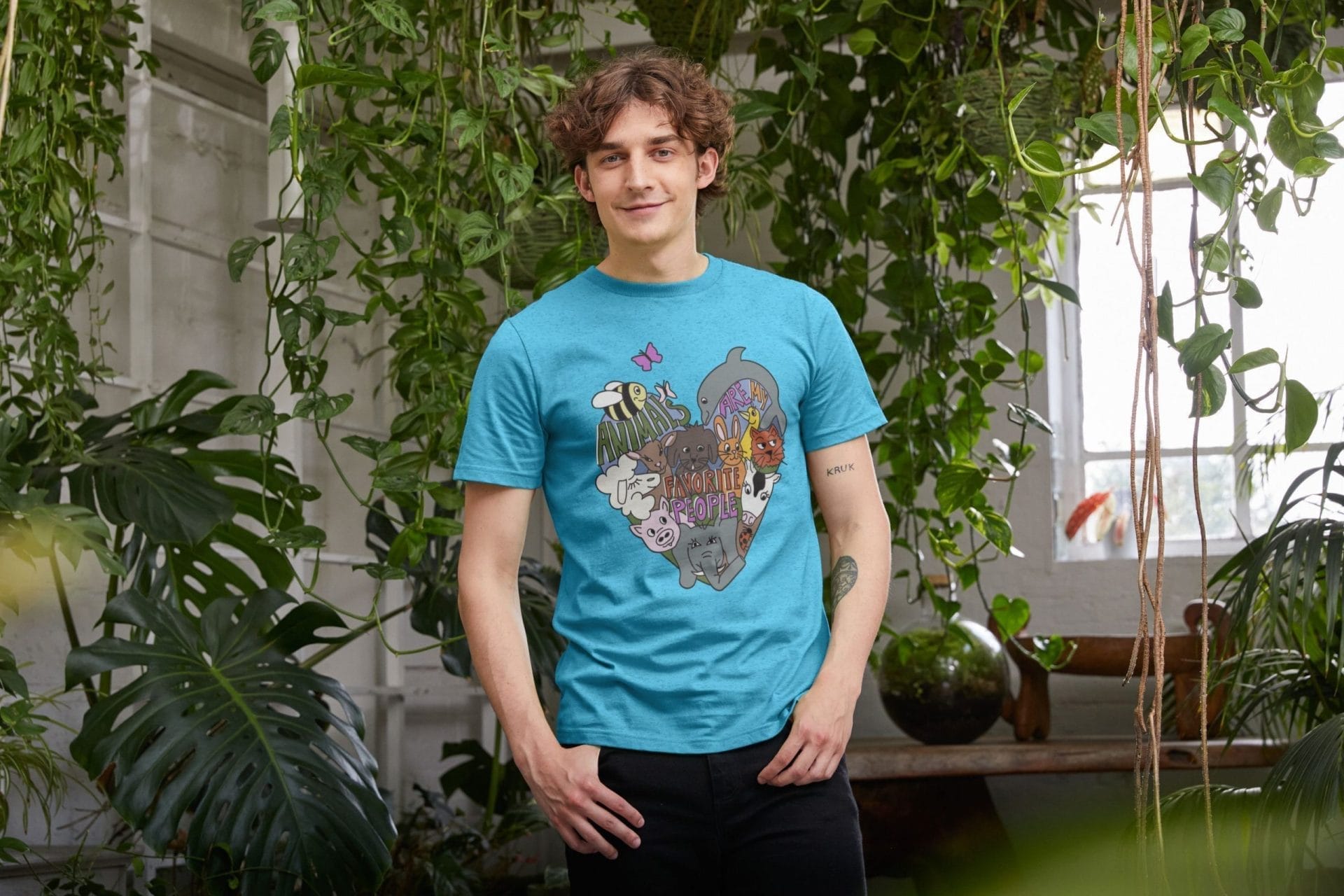
Animals Are My Favorite People by Tiny Rescue: Animal Collection
Being publicly-funded gives us a greater chance to continue providing you with high-quality content.Click here to Support Us
Related Content:
- Here’s How You Can Save Honeybees
- New Study Suggests Honey Bees Need Warmer Hives Than We’ve Been Giving Them
- The Unforeseen Impact of Backyard Bees on Urban Ecosystems
- The Secret Lives of Bees Shown in 5 Amazing Videos: How They Communicate and Build Complex Societies
- Study Shows Bumblebees Have Capacity for Culture
Easy Ways to Help the Planet:
- Eat Less Meat: Download Food Monster, the largest plant-based Recipe app on the App Store, to help reduce your environmental footprint, save animals and get healthy. You can also buy a hard or soft copy of our favorite vegan cookbooks or browse through vegan recipes on One Green Planet.
- Adopt-a-Pet: Visit WildWatchers, a watchdog platform specifically designed for animal, earth, and wildlife warriors to actively give back, rescue, and protect animals and the planet.
- Reduce Your Fast Fashion Footprint: Stand against fast fashion Pollution by supporting circular brands like Tiny Rescue, which create cause-based collections using recycled, zero-waste clothing designed to be returned and remade, ensuring it never ends up in a landfill.
- Shop Sustainably for Your Home: Visit SustaiNOBLE.org, an eco-friendly and ethically sourced home decor store that will empower your home with luxurious fair-trade, and sustainable products made by global artisans.
- Support Independent Media: Being publicly funded gives us a greater chance to continue providing you with high-quality content. Please consider supporting us by donating!
- Sign a Petition: Your voice matters! Help turn petitions into victories by signing the latest list of must-sign petitions to help people, animals, and the planet.
- Stay Informed: Keep up with the latest news and important stories involving animals, the environment, sustainable living, food, health, and human interest topics by subscribing to our newsletter!
- Do What You Can: Reduce waste, plant trees, eat local, travel responsibly, reuse stuff, say no to single-use plastics, recycle, vote smart, switch to cold water laundry, divest from fossil fuels, save water, shop wisely, Donate if you can, grow your food, volunteer, conserve energy, compost, and don’t forget about the microplastics and microbeads lurking in common household and personal care products!
Discover Our Latest Posts







Sign Up
Newsletter
Get your favorite articles delivered right to your inbox! Sign up for daily news from OneGreenPlanet.
Support
Help keep One Green Planet free and independent! Together we can ensure our platform remains a hub for empowering ideas committed to fighting for a sustainable, healthy, and compassionate world. Please support us in keeping our mission strong.




Comments: