Vegan Recipe App
T-Shirts for Activists
Newsletter
Become a Member
Partner with us
Cookbooks
Petitions
Product Features
Adopt-a-Pet
Get thousands of vegan, allergy-friendly recipes in the palm of your hands today!
X
Get your favorite articles delivered right to your inbox!
X
5 years ago
We Need These “Future Foods” To Hedge Against Risk
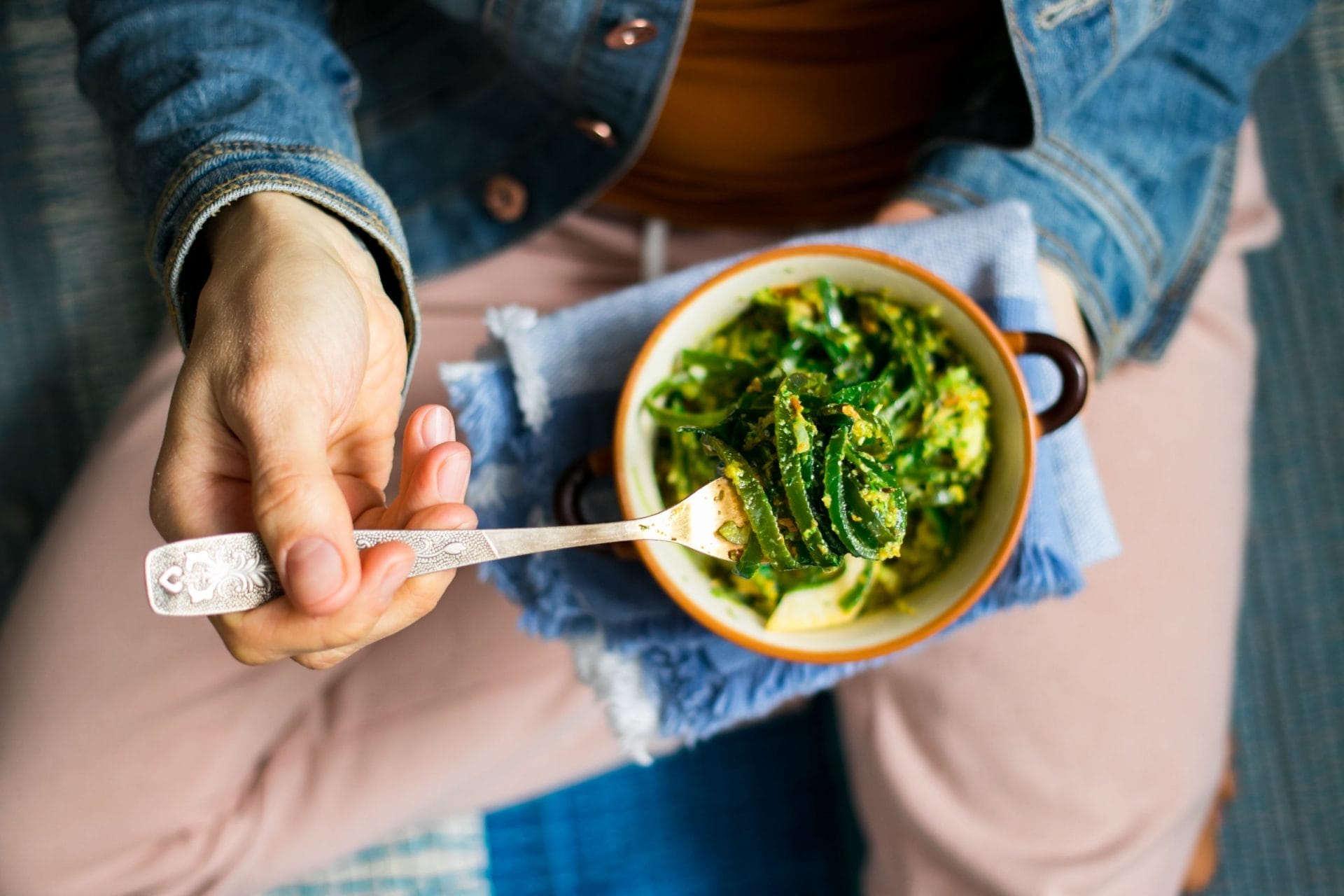
Image Credit: Viktor Kochetkov/ Shutterstock.com
For brands
Want to reach our audience?
Researchers at the University of Cambridge put out a new report outlining changes needed to protect our food supply and combat malnutrition. As Climate change wreaks havoc on food supplies, we need to make changes to the food supply and options in order to have food available.
The report, published in Nature Food, discusses microalgae, mycoprotein, and mealworms as suggested nutritious and sustainable food options. Malnutrition could be helped with a food system supplanted by spirulina, chlorella, larvae of insects like the house fly, and mycoprotein, protein derived from fungi.
“Foods like sugar kelp, flies, mealworm and single-celled algae such as chlorella, have the potential to provide healthy, risk-resilient diets that can address malnutrition around the world,” said Dr. Asaf Tzachor, a researcher at the Centre for the Study of Existential Risk (CSER) at the University of Cambridge and lead author, “Our current food system is vulnerable. It’s exposed to a litany of risks – floods and frosts, droughts and dry spells, pathogens and parasites – which marginal improvements in productivity won’t change. To future-proof our food supply we need to integrate completely new ways of farming into the current system.”
The report argues that Climate change, pandemics, and other events outside our control highlight the vulnerability of the current food systems and then the need for adaptation.
“Advances in technology open up many possibilities for alternative food supply systems that are more risk-resilient, and can efficiently supply sustainable nutrition to billions of people,” said Catherine Richards, a doctoral researcher at Cambridge’s Centre for the Study of Existential Risk and Department of Engineering. “The coronavirus pandemic is just one example of increasing threats to our globalised food system. Diversifying our diet with these future foods will be important in achieving food security for all.”
Read more about kelp in One Green Planet, check out these articles:
- All You Ever Wanted to Know About Sea Vegetables: Kelps, Noris, Oh My!
- 10 Different Ways to Eat Seaweed
- Kelp Noodle Chili Salad [Vegan, Raw]
- Kelp Noodle Sea Salad [Vegan]
- Chili Thai Kelp Noodles [Vegan, Gluten-Free]
- All You Need to Know About the Amazing Health Benefits of Kelp
- Kelp Noodles in Peanut-Miso Sauce [Vegan]
For those of you interested in eating more plant-based, we highly recommend downloading the Food Monster App — with over 15,000 delicious recipes it is the largest plant-based recipe resource to help reduce your environmental footprint, save animals and get healthy! And, while you are at it, we encourage you to also learn about the environmental and health benefits of a plant-based diet.
Here are some resources to get you started:
- Weekly Vegan Meal Plans
- Plant-Based Health Resources
- Plant-Based Food & Recipes
- Plant-Based Nutrition Resources
- The Ultimate Guide to Plant-Based Nutrition
- Budget-Friendly Plant-Based Recipes
- High Protein Plant-Based Recipes
- Plant-Based Meal Prep
For more Animal, Earth, Life, Vegan Food, Health, and Recipe content published daily, subscribe to the One Green Planet Newsletter! Lastly, being publicly funded gives us a greater chance to continue providing you with high-quality content. Please consider supporting us by donating!
Being publicly-funded gives us a greater chance to continue providing you with high-quality content.Click here to Support Us







Comments: