
Vegan Recipe App
T-Shirts for Activists
Newsletter
Become a Member
Partner with us
Cookbooks
Petitions
Product Features
Adopt-a-Pet
Get thousands of vegan, allergy-friendly recipes in the palm of your hands today!
X
Get your favorite articles delivered right to your inbox!
X
3.8K Views
12 years ago
How to Sprout and Eat Raw Grains
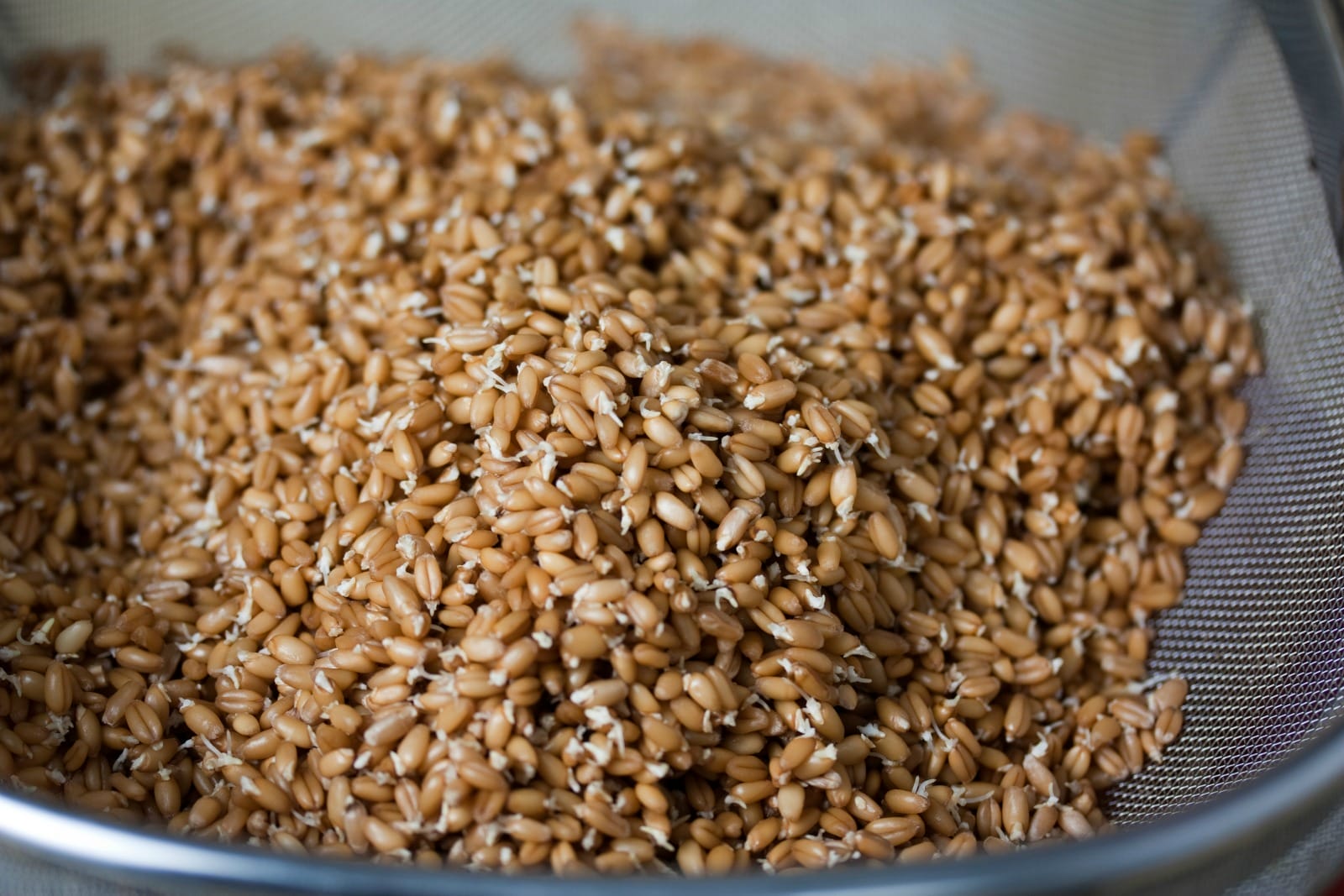
Image Credit: Veganbaking.net/Flickr
For brands
Want to reach our audience?
You have or may not have heard of sprouted grains, or wondered what the difference is between sprouted grains and non-sprouted grains. Are they worth the time, and what’s the big deal about sprouted grains?
Sprouting your grains activates their live enzymes which makes them easier to digest and helps to ensure that your body absorbs the majority of nutrients such as protein, zinc, and vitamin C that grains have to offer. Virtually all grains can be sprouted and enjoyed, so there is no need to sprout anything your taste buds don’t enjoy just for the sake of nutrition.
The 101 On How to Sprout Your Grains
- To sprout grains, put about a cup worth of your favorite kind in a large mason jar (use cheesecloth or a sprouting lid as a top) or sprouting bag.
- Fill the jar with water or put the sprouting bag in a bowl and fill that with water. Let your grains soak in the water for 24 hours in a dark spot, like in a cupboard.
- After 24 hours drain the grains and rinse them well. Put the grains back in their container, making sure that they are not drowning in water. The grains should be wet, but the water shouldn’t puddle.
- Cover your jar and turn it on its side or hang your sprouting bag up in a dark space again.
- Rinse your grains once or twice a day for up to five days, until they grow little tails on them. Those tails mean that they are ready to use! Easy eh?!
- Keep them in a sealable container in your fridge until you are ready to use them.
Here are a few types of grains to consider sprouting using the method laid out here, and how you can use them in your meals:
Barley
Barley has a delightfully chewy consistency when it is sprouted which makes it perfect for bulking up soups, chili, and salads. Your barley can be ground to create flour for your pizza crusts and bread recipes too.
Wild Black Rice
Not only is wild black rice beautiful, but it provides a hardy mouth feel that can be used where traditional white or brown rice would be used. Toss it with other grains for a pop of color, or blend the rice with cumin and lemon juice to create “refried” beans for raw food burritos, wraps, and salads.
Spelt
Also known as hulled wheat, spelt is an ancient grain that features a nutty flavor and rice-like texture when eaten whole. It’s a popular grain to grind for bread, and it tastes great toasted and added to salads in place of (or in addition to!) croutons.
Buckwheat
Buckwheat is a common grain in the raw food diet because it gets crunchy after it has been sprouted and dehydrated, making is useful for cereal and pie crust recipes. Buckwheat tends to get slimy while being sprouted, so make sure that you thoroughly rinse them until the water runs clears each day you are waiting for them to sprout. You can dehydrate or bake them until crispy and then keep them in a sealable container on your shelf for about three months.
Oats
Sprouted oats can be used for oatmeal and other recipes where regular oats are called for. You’ll find that your recipes made with sprouted oats are easier to digest, and have a hardier texture. Full of fiber and easy on digestion, sprouted oats make for a great replacement to cow’s milk. It takes on the flavor of anything you mix with it so it’s easy to make specialty cinnamon, maple, and even chocolate milk! Just blend a cup of oats with two or three cups of water and a little sweetener of your choice.
Rice
White, brown, and wild rice can all be sprouted and then cooked as normal for optimal nutrient absorption. It can also be used as a protein supplement for milkshakes, smoothies, and in cereal. Just dehydrate your sprouted rice and then blend it to a fine powder. Use a scoop or two at breakfast or in a sports drink before a workout for extra energy, and store the leftovers in a sealable container.
Keep a variety of sprouted grains on hand to turn any simple meal into a hardy and filling feast that will keep you satisfied for hours!
Image Source: Veganbaking.net/Flickr
Discover Our Latest Posts




![Vegan Cioppino (Italian-Style 'Fish' Stew) [Gluten-Free]](https://ogp-ai.mystagingwebsite.com/wp-content/uploads/2015/10/chioppino_1.jpg)


Comments:
Leave a Comment
You must be Login to post a comment.
Where would you obtain good quality grains to sprout?
shared :)