
Vegan Recipe App
T-Shirts for Activists
Newsletter
Ad-Free Browsing
Partner with us
Cookbooks
Petitions
Product Features
Adopt-a-Pet
Get thousands of vegan, allergy-friendly recipes in the palm of your hands today!
X
Get your favorite articles delivered right to your inbox!
X
1 year ago
Nitrate Contaminated Water Linked to Ovarian Cancer Risk
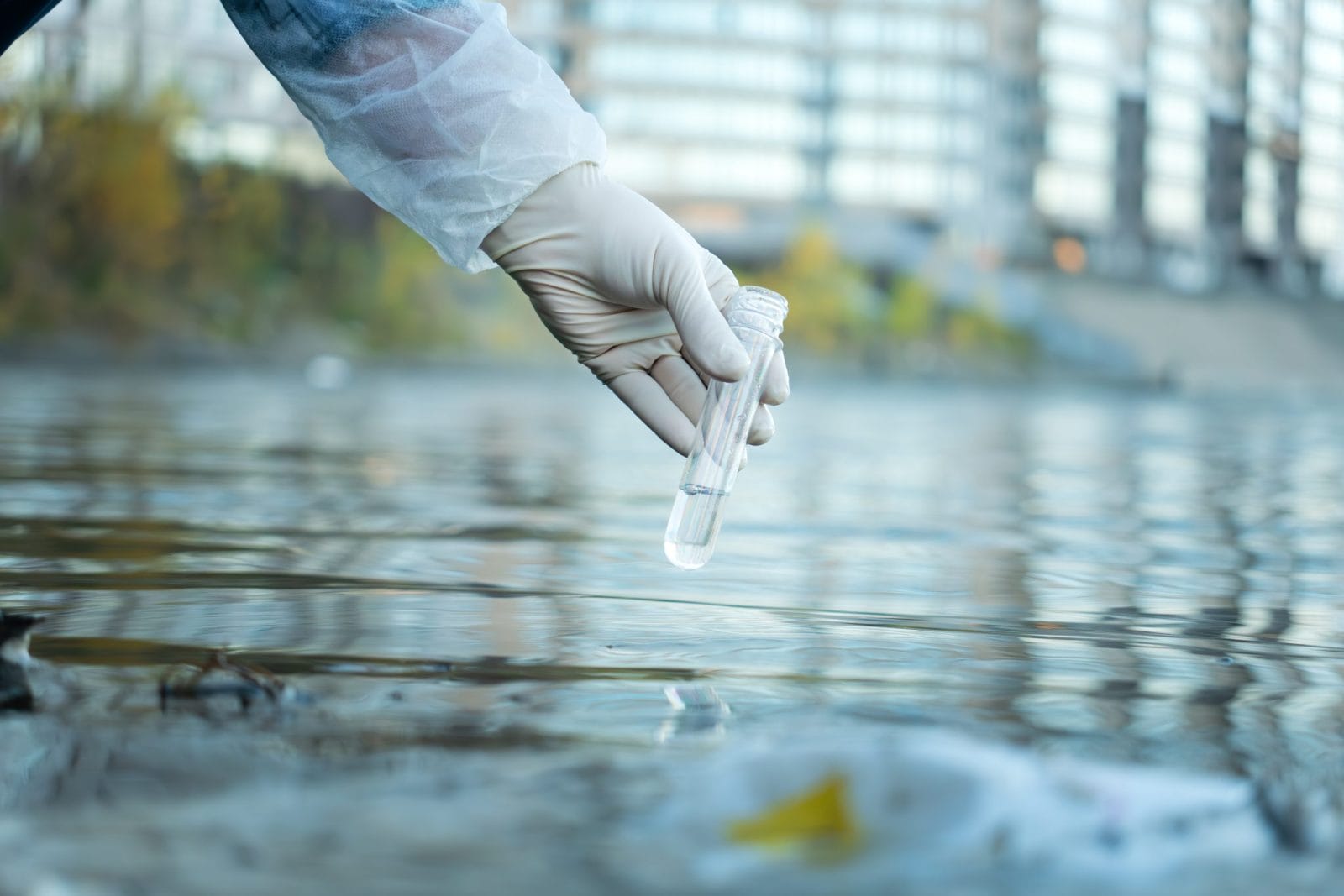
Image Credit: Melnikov Dmitriy/Shutterstock

Audio By Carbonatix
A recent study has brought to light the potential cancer risks posed by nitrate contamination in drinking water, specifically linking it to an elevated risk of ovarian cancer. This study, published in May by Dr. Rena Jones, a senior investigator at the National Cancer Institute, examined over 30,000 women from Iowa and North Carolina, finding that higher levels of nitrates in drinking water were associated with an increased risk of developing ovarian cancer. Out of the 30,000 women studied, 166 cases of ovarian cancer were identified, with a clear correlation between the risk and the levels of nitrate contamination in their water supply.
Dr. Jones emphasized the importance of understanding the environmental causes of cancer. “Anything we can do to better understand the environmental causes can help us with prevention,” she stated in an interview with POLITICO’s E&E News. Nitrate contamination is widespread, and while past research has pointed to its carcinogenic potential in animals, this new study underlines the need for greater focus on its long-term effects on human health.
Further studies, including one conducted in California, Support these findings, highlighting the risks of long-term nitrate consumption through both drinking water and diet. Nitrate, a common chemical in fertilizers, has been linked to the formation of N-nitroso compounds, which are known to be carcinogenic in animals. These findings underline the urgent need for stricter regulations on water quality and agricultural practices that contribute to nitrate contamination.
Given the implications of these findings, it’s more important than ever to take action on environmental issues, particularly those affecting water quality. Supporting policies that regulate water contamination and advocating for sustainable agricultural practices can help protect both human health and the environment. Now is the time to push for change and prioritize the reduction of harmful chemicals in our water systems.
Being publicly-funded gives us a greater chance to continue providing you with high-quality content.Click here to Support Us
Sign These Petitions!
Please sign our latest and most urgent petitions to help the planet. Every signature counts!
- Petition: Italy’s New Law Is a Victory for Animals. The Rest of the EU Must Follow Suit!
- Petition: Protect Bodega Cats and Legalize Their Rights in NYC Shops
- Petition: Ban Red Dye No. 3 from U.S. Foods Now — Protect Kids and Public Health
Related Content:
- British Airways Drops Water Bottles on Some Flights in Plastic Reduction Trial
- Drought-Proof Your Garden: 6 Essential Tips for Thriving in Watering Restrictions!
- Texas Pushes for Historic Investment to Address Water Crisis
- Experts Warn Magic Sponges Could Be Polluting Our Food and Water
- Boiling Tap Water May Help Remove Microplastics, Study Finds
Easy Ways to Help the Planet:
- Eat Less Meat: Download Food Monster, the largest plant-based Recipe app on the App Store, to help reduce your environmental footprint, save animals and get healthy. You can also buy a hard or soft copy of our favorite vegan cookbooks.
- Adopt-a-Pet: Visit WildWatchers, a watchdog platform specifically designed for animal, earth, and wildlife warriors to actively give back, rescue, and protect animals and the planet.
- Reduce Your Fast Fashion Footprint: Stand against fast fashion Pollution by supporting circular brands like Tiny Rescue, which create cause-based collections using recycled, zero-waste clothing designed to be returned and remade, ensuring it never ends up in a landfill.
- Shop Sustainably for Your Home: Visit SustaiNOBLE.org, an eco-friendly and ethically sourced home decor store that will empower your home with luxurious fair-trade, and sustainable products made by global artisans.
- Support Independent Media: Being publicly funded gives us a greater chance to continue providing you with high-quality content. Please consider supporting us by donating!
- Sign a Petition: Your voice matters! Help turn petitions into victories by signing the latest list of must-sign petitions to help people, animals, and the planet.
- Stay Informed: Keep up with the latest news and important stories involving animals, the environment, sustainable living, food, health, and human interest topics by subscribing to our newsletter!
- Do What You Can: Reduce waste, plant trees, eat local, travel responsibly, reuse stuff, say no to single-use plastics, recycle, vote smart, switch to cold water laundry, divest from fossil fuels, save water, shop wisely, Donate if you can, grow your food, volunteer, conserve energy, compost, and don’t forget about the microplastics and microbeads lurking in common household and personal care products!








Comments: