Vegan Recipe App
T-Shirts for Activists
Newsletter
Become a Member
Partner with us
Cookbooks
Petitions
Product Features
Adopt-a-Pet
Get thousands of vegan, allergy-friendly recipes in the palm of your hands today!
X
Get your favorite articles delivered right to your inbox!
X
1.6K Views
3 years ago
Uruguay’s Struggle with Drought: Seeking Solutions to Water Scarcity
For brands
Want to reach our audience?
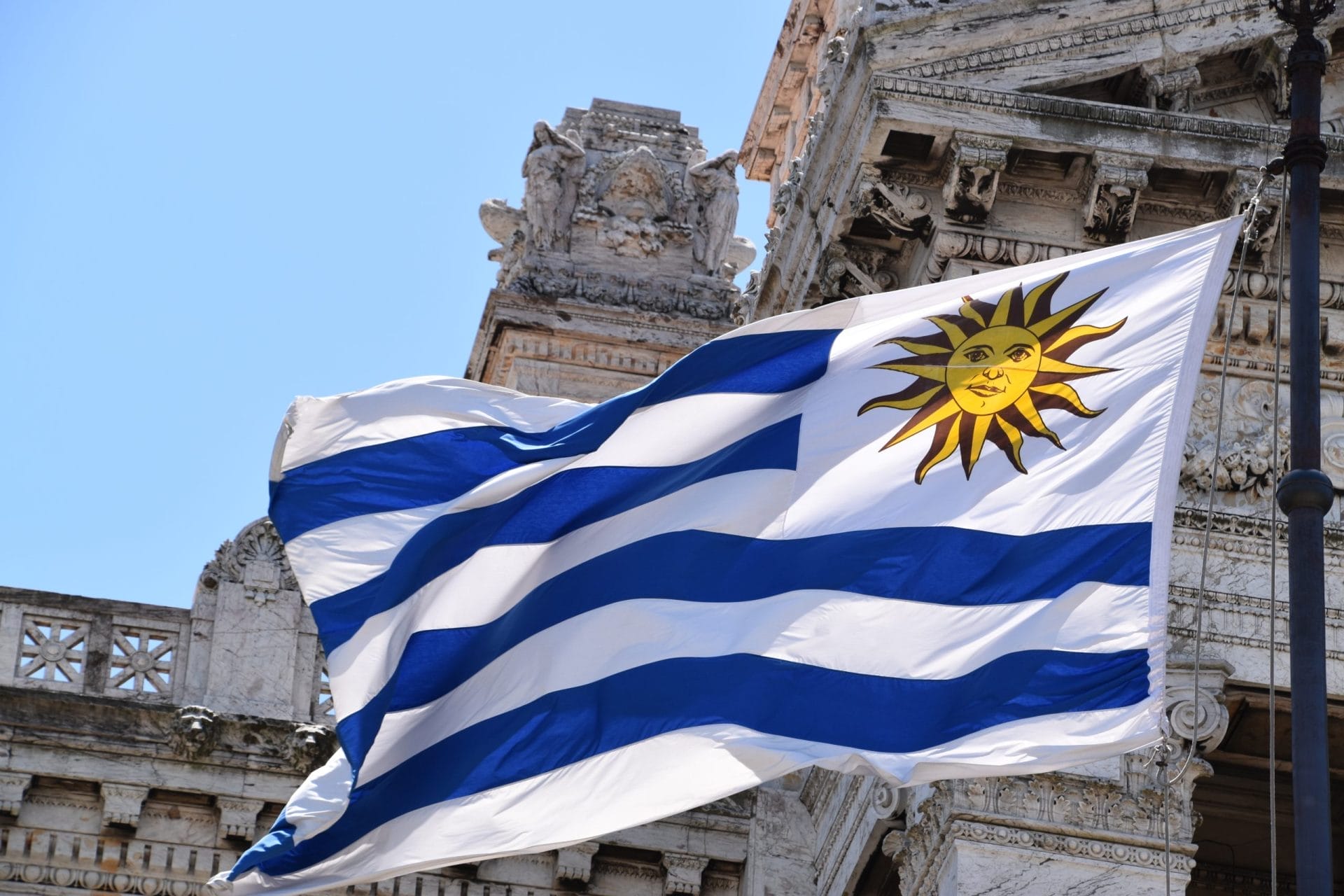
Uruguay, a relatively wealthy South American nation, is currently grappling with a severe multi-year drought and soaring temperatures that have pushed the country to the brink of running dry. The situation has become so dire that residents are being forced to drink salty tap water, and wells are being drilled in the heart of the capital to access water reserves below ground. In response, President Luis Lacalle Pou has declared a “water emergency for the metropolitan area.”
Source: Al Jazeera English/YouTube
This water crisis in Uruguay serves as a stark warning of the vulnerability countries face in the face of drought, a problem that is expected to worsen in frequency and intensity due to climate change. The impact is evident as vital reservoirs, such as Canelón Grande and Paso Severino, have experienced drastic decreases in water levels, with some reservoirs facing complete depletion in the coming weeks.
To address the shortage, authorities have implemented drastic measures. Montevideo’s tap water, although salty and unpleasant to taste, is mixed with fresh water to stretch supplies. However, the saltiness remains an issue, and the tap water also contains high levels of chlorides, sodium, and trihalomethanes. While there is no significant health risk for most people, certain individuals with specific health conditions are advised to limit or avoid tap water consumption.
Sales of bottled water have surged in Montevideo and neighboring areas, leading to a sharp increase in plastic waste. However, not all residents can afford bottled water, forcing them to continue using tap water. To alleviate the financial burden, the government has introduced tax exemptions for bottled water.
The situation is particularly distressing for Uruguayans, as the country was the first in the world to declare access to water a fundamental right. Protests have erupted, highlighting the strong connection Uruguayans feel towards water and their demand for this basic right to be fulfilled.
The government has taken some steps to address the crisis, including the construction of a dam and a new water delivery system. Additionally, measures such as water usage restrictions and the deployment of tanker trucks to deliver water to critical institutions like hospitals have been implemented.
However, some critics argue that the government’s response has been insufficient, pointing to longstanding issues with water management and the need for better preparation for an increasingly unpredictable climate. They emphasize the importance of changing perceptions and increasing water availability through infrastructure development, efficiency improvements, and water reuse promotion.
As Uruguay faces an ongoing drought, hopes for rain remain high. It is an opportunity for the country to adapt, change its relationship with water, and implement sustainable solutions to mitigate the impact of future water crises.
Being publicly-funded gives us a greater chance to continue providing you with high-quality content.Click here to Support Us
Related Content:
- Climate Activists Turn Rome’s Iconic Fountain into a Symbol of Drought and Crisis
- Venice Canals Run Dry Amid Fears of Another Drought in Italy
- How California, Arizona, and Other Western States Are Creating New Water Supply During Drought
- Over 200 Elephants and Thousand Other Wild Animals Die Amid Kenya Drought
- Drought Contributing to Extremely Low Numbers of California Tomatoes This Year
Easy Ways to Help the Planet:
- Eat Less Meat: Download Food Monster, the largest plant-based Recipe app on the App Store, to help reduce your environmental footprint, save animals and get healthy. You can also buy a hard or soft copy of our favorite vegan cookbooks.
- Reduce Your Fast Fashion Footprint: Take initiative by standing up against fast fashion Pollution and supporting sustainable and circular brands like Tiny Rescue that raise awareness around important issues through recycled zero-waste clothing designed to be returned and remade over and over again.
- Support Independent Media: Being publicly funded gives us a greater chance to continue providing you with high-quality content. Please consider supporting us by donating!
- Sign a Petition: Your voice matters! Help turn petitions into victories by signing the latest list of must-sign petitions to help people, animals, and the planet.
- Stay Informed: Keep up with the latest news and important stories involving animals, the environment, sustainable living, food, health, and human interest topics by subscribing to our newsletter!
- Do What You Can: Reduce waste, plant trees, eat local, travel responsibly, reuse stuff, say no to single-use plastics, recycle, vote smart, switch to cold water laundry, divest from fossil fuels, save water, shop wisely, Donate if you can, grow your food, volunteer, conserve energy, compost, and don’t forget about the microplastics and microbeads lurking in common household and personal care products!
Discover Our Latest Posts









Sign Up
Newsletter
Get your favorite articles delivered right to your inbox! Sign up for daily news from OneGreenPlanet.
Support
Keep One Green Planet independent — chip in what you can, or become a member and get ad-free browsing, a voice in our community, and the good feeling of fueling a sustainable, healthier, and kinder world.





Comments: