
Vegan Recipe App
T-Shirts for Activists
Newsletter
Become a Member
Partner with us
Cookbooks
Petitions
Product Features
Adopt-a-Pet
Get thousands of vegan, allergy-friendly recipes in the palm of your hands today!
X
Get your favorite articles delivered right to your inbox!
X
1.7K Views
4 years ago
Toilet Paper Chemicals Threatening Vulnerable Orcas
For brands
Want to reach our audience?
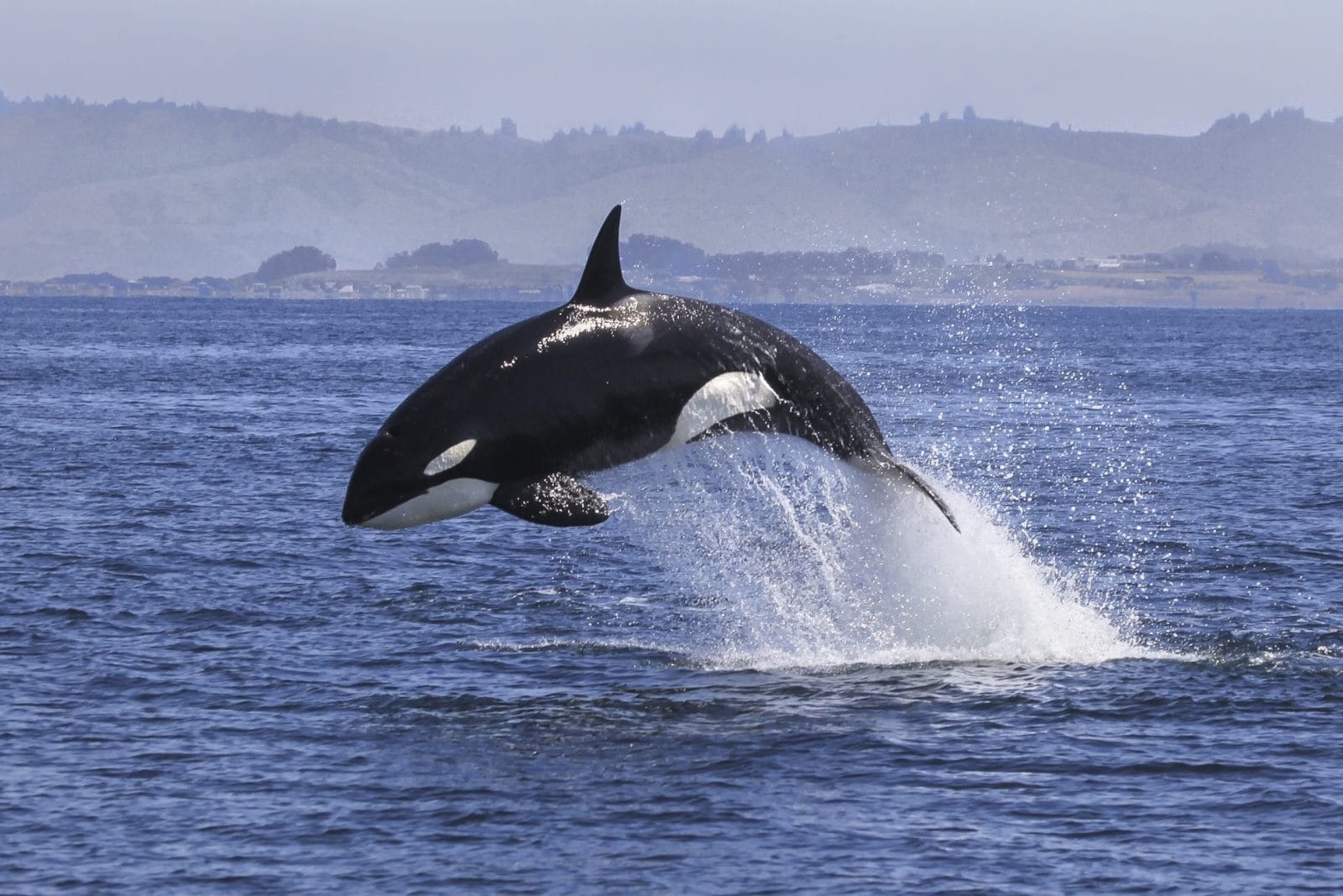
Orca whales are in trouble, and it’s not just because of overfishing and habitat loss. These magnificent marine mammals are also struggling with an alarming amount of contaminants in their bodies, making them some of the most polluted animals in the world. In a recent study, scientists from the University of British Columbia, the British Columbia Ministry of Agriculture and Food, and Fisheries and Oceans Canada discovered a chemical used in toilet paper production in the livers and skeletal muscles of dead Southern Resident and Bigg’s orcas.
Source: CTV News/Youtube
The chemical, 4-nonylphenol (4NP), is part of a group of chemicals known as alkylphenols, which are “very toxic.” Although it’s too soon to determine the full impact of 4NP on orcas, researchers say it can affect their reproductive and developmental processes, as well as their nervous and cognitive systems. While the source of 4NP in the whales is unknown, it is commonly found in sewage sludge and wastewater treatment plants, as well as in detergents and cosmetic products.
The study also found over half of the contaminants in the orcas to be PFAS, also known as “forever chemicals.” PFAS are notorious for their inability to break down in the environment, and they can increase the risk of diseases like cancer and liver disease in humans. The study authors were surprised to find a type of PFAS, 7:3-fluorotelomer carboxylic acid, in an orca from the Pacific Northwest for the first time.
Southern Resident orcas, in particular, are facing a difficult time. In addition to the challenges of habitat loss and Climate change, they are also facing a declining food supply due to overfishing. The contaminants in their food sources, such as Chinook salmon, are also affecting their reproduction, with 69 percent of Southern Resident orca pregnancies failing. Chemicals are also being passed down from mothers to fetuses, further endangering the species.
The study authors noted that only a few orcas had been screened for 4NP contamination, and they don’t expect to be able to conduct another study like this anytime soon due to limited access to orca organs. The lack of data raises many questions about the extent of chemical contamination in orcas and how it is affecting their survival.
“This is just the tip of the iceberg,” says researcher Juan José Alava. “We need to do more to understand the full impact of contaminants on orcas and take action to protect them.”
It’s time for us to take action. We can start by reducing our use of single-use products, including toilet paper, and choosing eco-friendly alternatives. We can also advocate for stricter regulations on chemical pollutants and Support organizations working to protect orca whales and their habitats. Let’s not wait until it’s too late to save these magnificent creatures.

Speak Up Tee By Tiny Rescue: Animal Collection
Being publicly-funded gives us a greater chance to continue providing you with high-quality content.Click here to Support Us
Related Content:
- Toxic Chemical Found in Toilet Paper Responsible for Orca Population Decline, Study Finds
- Petition: Shut Down SeaWorld and Send All Orcas to Sanctuaries
- Orca Who Died After Becoming Stranded Found to Have Nothing but Plastic in Stomach
- Three Captive Orcas Violently Attack Each Other at SeaWorld Just One Day After Orca Nakai Died
- Dead Orca Caught in Fishing Gear Off Oregon Coast
Easy Ways to Help the Planet:
- Eat Less Meat: Download Food Monster, the largest plant-based Recipe app on the App Store, to help reduce your environmental footprint, save animals and get healthy. You can also buy a hard or soft copy of our favorite vegan cookbooks.
- Reduce Your Fast Fashion Footprint: Take initiative by standing up against fast fashion Pollution and supporting sustainable and circular brands like Tiny Rescue that raise awareness around important issues through recycled zero-waste clothing designed to be returned and remade over and over again.
- Support Independent Media: Being publicly funded gives us a greater chance to continue providing you with high-quality content. Please consider supporting us by donating!
- Sign a Petition: Your voice matters! Help turn petitions into victories by signing the latest list of must-sign petitions to help people, animals, and the planet.
- Stay Informed: Keep up with the latest news and important stories involving animals, the environment, sustainable living, food, health, and human interest topics by subscribing to our newsletter!
- Do What You Can: Reduce waste, plant trees, eat local, travel responsibly, reuse stuff, say no to single-use plastics, recycle, vote smart, switch to cold water laundry, divest from fossil fuels, save water, shop wisely, Donate if you can, grow your food, volunteer, conserve energy, compost, and don’t forget about the microplastics and microbeads lurking in common household and personal care products!
Discover Our Latest Posts









Sign Up
Newsletter
Get your favorite articles delivered right to your inbox! Sign up for daily news from OneGreenPlanet.
Support
Keep One Green Planet independent — chip in what you can, or become a member and get ad-free browsing, a voice in our community, and the good feeling of fueling a sustainable, healthier, and kinder world.





Comments: