
Vegan Recipe App
T-Shirts for Activists
Newsletter
Become a Member
Partner with us
Cookbooks
Petitions
Product Features
Adopt-a-Pet
Get thousands of vegan, allergy-friendly recipes in the palm of your hands today!
X
Get your favorite articles delivered right to your inbox!
X
1.4K Views
2 years ago
Tesla’s Texas Lithium Plant Faces Massive Water Demand and Local Drought Concerns
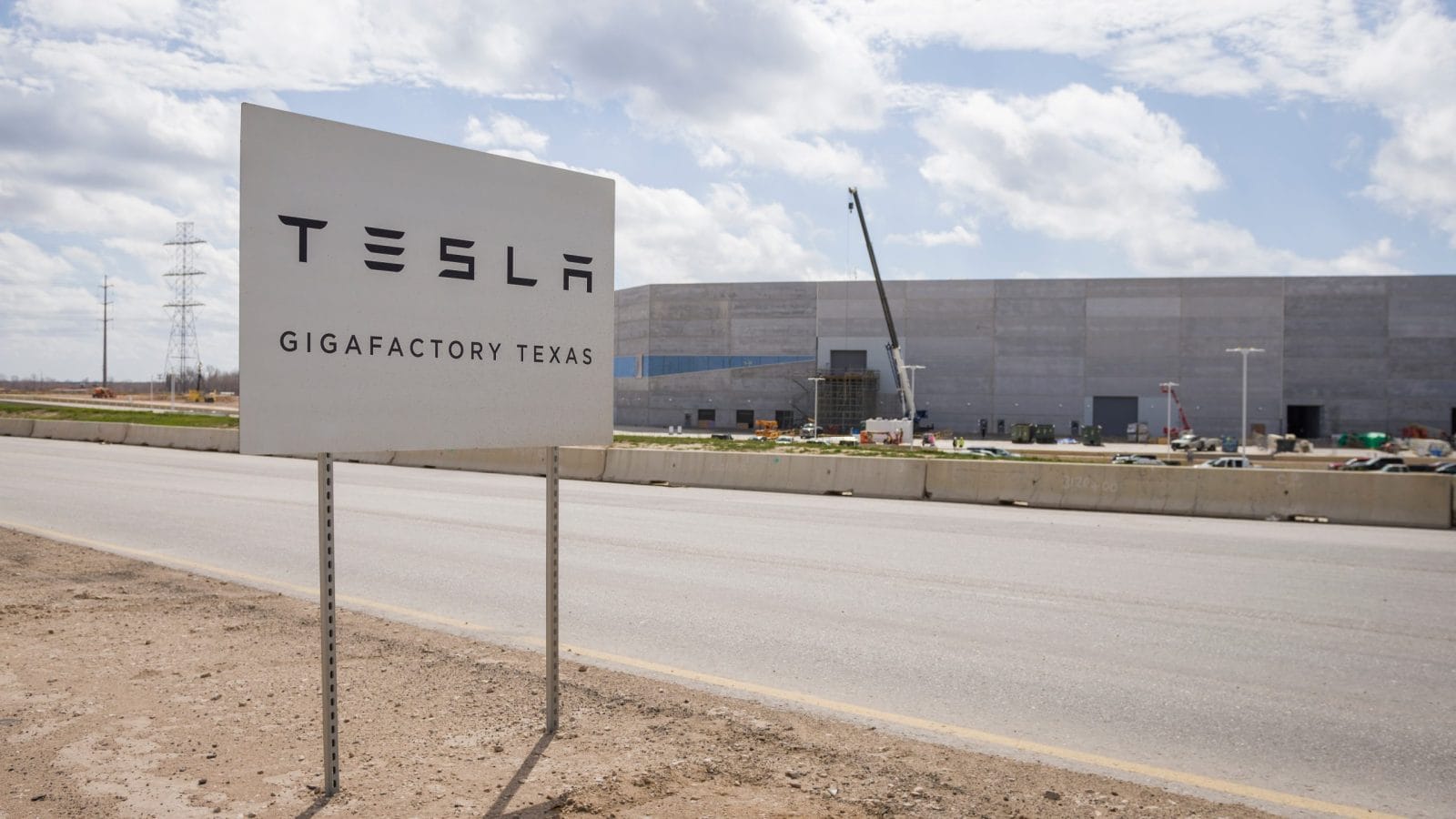
Image Credit: University of College/Shutterstock
For brands
Want to reach our audience?
Twenty miles outside Corpus Christi, Texas, Tesla Inc. is nearing completion of a $1 billion lithium refinery that could demand up to 8 million gallons of water each day. This ambitious project, led by Elon Musk, aims to strengthen the domestic supply chain for electric vehicle batteries, addressing crucial bottlenecks in green energy production.
However, the refinery’s immense water needs present significant challenges in an already arid region. South Texas, renowned for its dry climate, has recently escalated its drought status to stage 3—urgent. This means stricter water restrictions are in place, limiting non-essential uses like watering lawns and operating decorative fountains. Initially, Tesla estimated the plant would require 400,000 gallons of water daily in 2022, a figure that has since ballooned to as much as 8 million gallons at peak usage, according to South Texas Water Authority records.
To put this into perspective, the average American family uses about 300 gallons of water each day. Tesla’s highest water demand would be equivalent to eight times the daily usage of Robstown, a nearby town with 3,804 households. This level of consumption has sparked concerns among local residents who are already dealing with water quality issues, including low pressure and a milky tint in their supply.
Tesla is currently negotiating with Nueces Water Supply Corp. for the necessary water rights, but no final agreement has been reached yet. Despite these challenges, the company remains committed to moving forward, showcasing the plant to the community and pushing ahead with infrastructure developments. The refinery is expected to create around 250 permanent jobs with average salaries of $80,000, a significant boost for an area where the average income is less than half that.
Local officials have shown limited public pushback, likely influenced by the economic benefits the project promises. However, residents are expressing frustration over the potential strain on already limited water resources, emphasizing the need for sustainable solutions that balance industrial growth with community needs.
As Tesla advances its project, the critical question remains: Can the region sustain such a high water demand without compromising the well-being of its residents? This situation highlights the broader challenges of balancing green innovation with responsible resource management. Stay informed and join OneGreenPlanet in advocating for sustainable development. Support initiatives that ensure both environmental integrity and community well-being for a greener future.
Being publicly-funded gives us a greater chance to continue providing you with high-quality content.Click here to Support Us
Related Content:
- Tesla’s Gigafactories Exposed for Serious Environmental Controversies
- Tesla Faces Lawsuit Over Air Pollution at Fremont Factory
- China’s BYD Dethrones Tesla as World’s Leading Electric Vehicle Seller
- SEC Reopens Investigation Into Elon Musk’s Neuralink
- Petition: Help Reject Elon Musk’s New Project That Will Pollute a South Memphis Community
Easy Ways to Help the Planet:
- Eat Less Meat: Download Food Monster, the largest plant-based Recipe app on the App Store, to help reduce your environmental footprint, save animals and get healthy. You can also buy a hard or soft copy of our favorite vegan cookbooks.
- Adopt-a-Pet: Visit WildWatchers, a watchdog platform specifically designed for animal, earth, and wildlife warriors to actively give back, rescue, and protect animals and the planet.
- Reduce Your Fast Fashion Footprint: Stand against fast fashion Pollution by supporting circular brands like Tiny Rescue, which create cause-based collections using recycled, zero-waste clothing designed to be returned and remade, ensuring it never ends up in a landfill.
- Shop Sustainably for Your Home: Visit SustaiNOBLE.org, an eco-friendly and ethically sourced home decor store that will empower your home with luxurious fair-trade, and sustainable products made by global artisans.
- Support Independent Media: Being publicly funded gives us a greater chance to continue providing you with high-quality content. Please consider supporting us by donating!
- Sign a Petition: Your voice matters! Help turn petitions into victories by signing the latest list of must-sign petitions to help people, animals, and the planet.
- Stay Informed: Keep up with the latest news and important stories involving animals, the environment, sustainable living, food, health, and human interest topics by subscribing to our newsletter!
- Do What You Can: Reduce waste, plant trees, eat local, travel responsibly, reuse stuff, say no to single-use plastics, recycle, vote smart, switch to cold water laundry, divest from fossil fuels, save water, shop wisely, Donate if you can, grow your food, volunteer, conserve energy, compost, and don’t forget about the microplastics and microbeads lurking in common household and personal care products!
Discover Our Latest Posts









Sign Up
Newsletter
Get your favorite articles delivered right to your inbox! Sign up for daily news from OneGreenPlanet.
Support
Keep One Green Planet independent — chip in what you can, or become a member and get ad-free browsing, a voice in our community, and the good feeling of fueling a sustainable, healthier, and kinder world.





Comments: