Vegan Recipe App
T-Shirts for Activists
Newsletter
Become a Member
Partner with us
Cookbooks
Petitions
Product Features
Adopt-a-Pet
Get thousands of vegan, allergy-friendly recipes in the palm of your hands today!
X
Get your favorite articles delivered right to your inbox!
X
2.3K Views
3 years ago
UCLA Study Finds 65 Animal Species Laugh
For brands
Want to reach our audience?
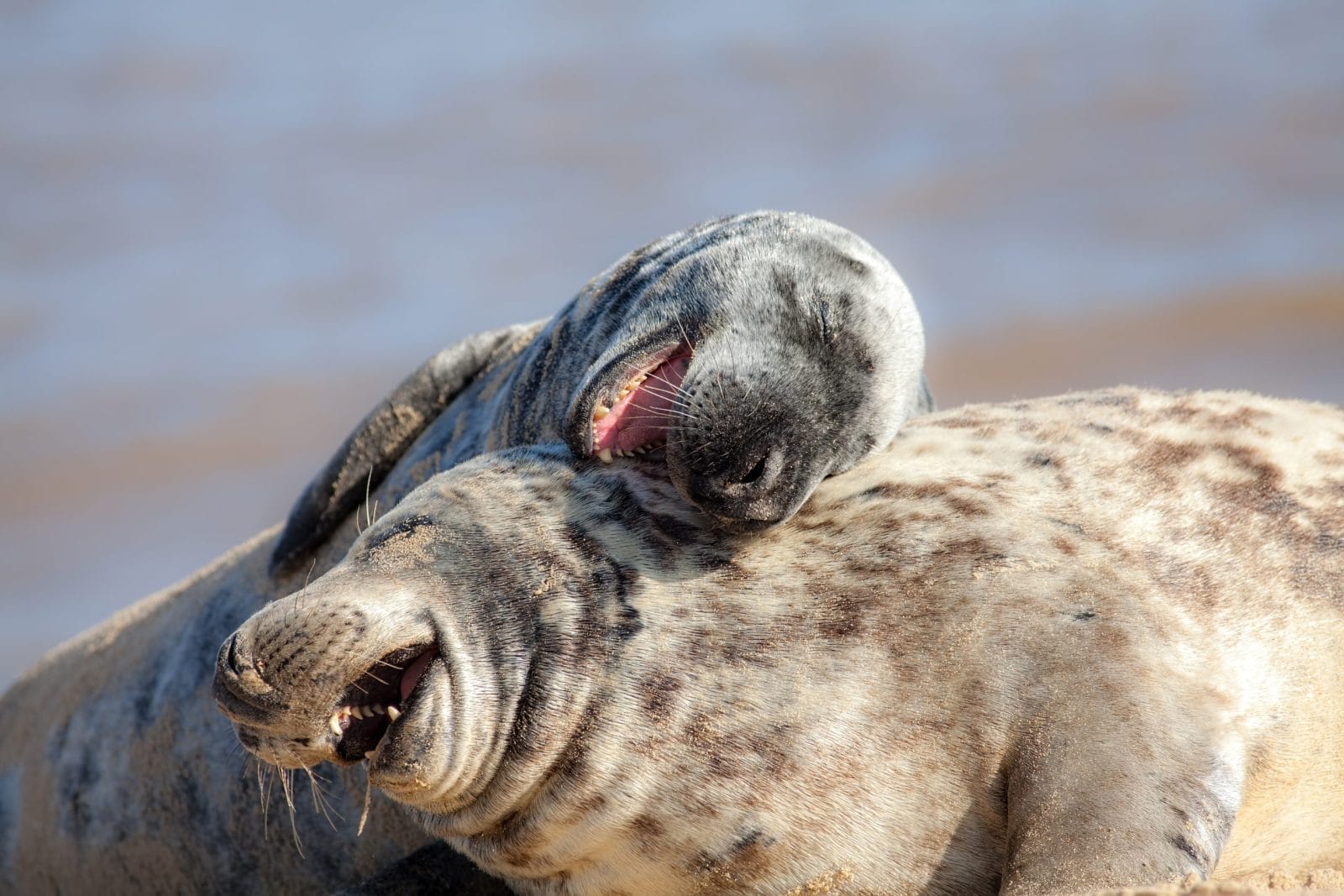
We often associate laughter with joy and happiness, but have you ever wondered if animals share this delightful experience? Well, it turns out they do! A recent study conducted by researchers at UCLA has discovered that at least 65 species of animals exhibit “play vocalizations,” or what we humans would recognize as laughter.
From well-known laughers like apes and rats to more surprising species such as cows, dogs, foxes, seals, mongooses, and even three bird species, animals are expressing their joy and playfulness through laughter. While some bird species can mimic human laughter, it’s important to note that this isn’t the same as producing their own play vocalizations.
Sasha Winkler, a primatologist and UCLA anthropology graduate student, and Greg Bryant, a UCLA professor of communication, published their fascinating findings in the journal Bioacoustics. They categorized various play vocalization sounds based on factors such as noise, tone, volume, pitch, duration, and rhythm.
While it can be challenging to document laughter in the wild, especially for animals with quieter vocalizations, some captivating examples have been captured on video. Just imagine foxes giggling like little children on helium or a bonobo chimp chuckling playfully – it’s enough to make anyone smile!
Interestingly, not all animal laughter is as audible as foxes or chimps. Researchers from Humboldt University of Berlin discovered that rats laugh when tickled, but their vocalizations are ultrasonic, meaning they’re difficult to hear without special equipment.
The study of laughter in animals provides valuable insights into our own evolutionary behavior. According to Bryant, laughter was once considered a uniquely human phenomenon, but this research shows it’s closely connected to behaviors shared with species millions of years apart. Winkler adds that laughter serves as a way of inviting others to join in the fun, suggesting that it is an evolutionarily old vocal play signal.
So, next time you’re out in nature or spending time with your pets, pay close attention to the sounds they make. You might just catch a glimpse of their playful laughter! Let’s celebrate the joy and laughter that animals bring to our lives and use this newfound knowledge to deepen our understanding and appreciation of the natural world. Who knows, maybe one day we’ll even get to hear a cow laugh for real!

Animals Are My Favorite People by Tiny Rescue: Animal Collection
Being publicly-funded gives us a greater chance to continue providing you with high-quality content.Click here to Support Us
Related Content:
- Animals at Ukraine Zoo are Being Given Anti-Depressants to Treat Shell Shock
- Hero Braves Sudan Battle While Caring For His Sanctuary Animals [Video]
- 9 Animated Films That Remind Us to Be Kind to Animals
- Petition: Ban Man Who Burned and Beat a Dog from Ever Having Animals Again
- Petition: Ban Man From Owning Animals Again After Dog Died in His Care
Easy Ways to Help the Planet:
- Eat Less Meat: Download Food Monster, the largest plant-based Recipe app on the App Store, to help reduce your environmental footprint, save animals and get healthy. You can also buy a hard or soft copy of our favorite vegan cookbooks.
- Reduce Your Fast Fashion Footprint: Take initiative by standing up against fast fashion Pollution and supporting sustainable and circular brands like Tiny Rescue that raise awareness around important issues through recycled zero-waste clothing designed to be returned and remade over and over again.
- Support Independent Media: Being publicly funded gives us a greater chance to continue providing you with high-quality content. Please consider supporting us by donating!
- Sign a Petition: Your voice matters! Help turn petitions into victories by signing the latest list of must-sign petitions to help people, animals, and the planet.
- Stay Informed: Keep up with the latest news and important stories involving animals, the environment, sustainable living, food, health, and human interest topics by subscribing to our newsletter!
- Do What You Can: Reduce waste, plant trees, eat local, travel responsibly, reuse stuff, say no to single-use plastics, recycle, vote smart, switch to cold water laundry, divest from fossil fuels, save water, shop wisely, Donate if you can, grow your food, volunteer, conserve energy, compost, and don’t forget about the microplastics and microbeads lurking in common household and personal care products!
Discover Our Latest Posts









Sign Up
Newsletter
Get your favorite articles delivered right to your inbox! Sign up for daily news from OneGreenPlanet.
Support
Keep One Green Planet independent — chip in what you can, or become a member and get ad-free browsing, a voice in our community, and the good feeling of fueling a sustainable, healthier, and kinder world.





Comments: