
Vegan Recipe App
T-Shirts for Activists
Newsletter
Ad-Free Browsing
Partner with us
Cookbooks
Petitions
Product Features
Adopt-a-Pet
Get thousands of vegan, allergy-friendly recipes in the palm of your hands today!
X
Get your favorite articles delivered right to your inbox!
X
2.9K Views
10 years ago
Eat Seafood? Turns Out You’re Also Eating 11,000 Tiny Pieces of Plastic Every Year!

Audio By Carbonatix
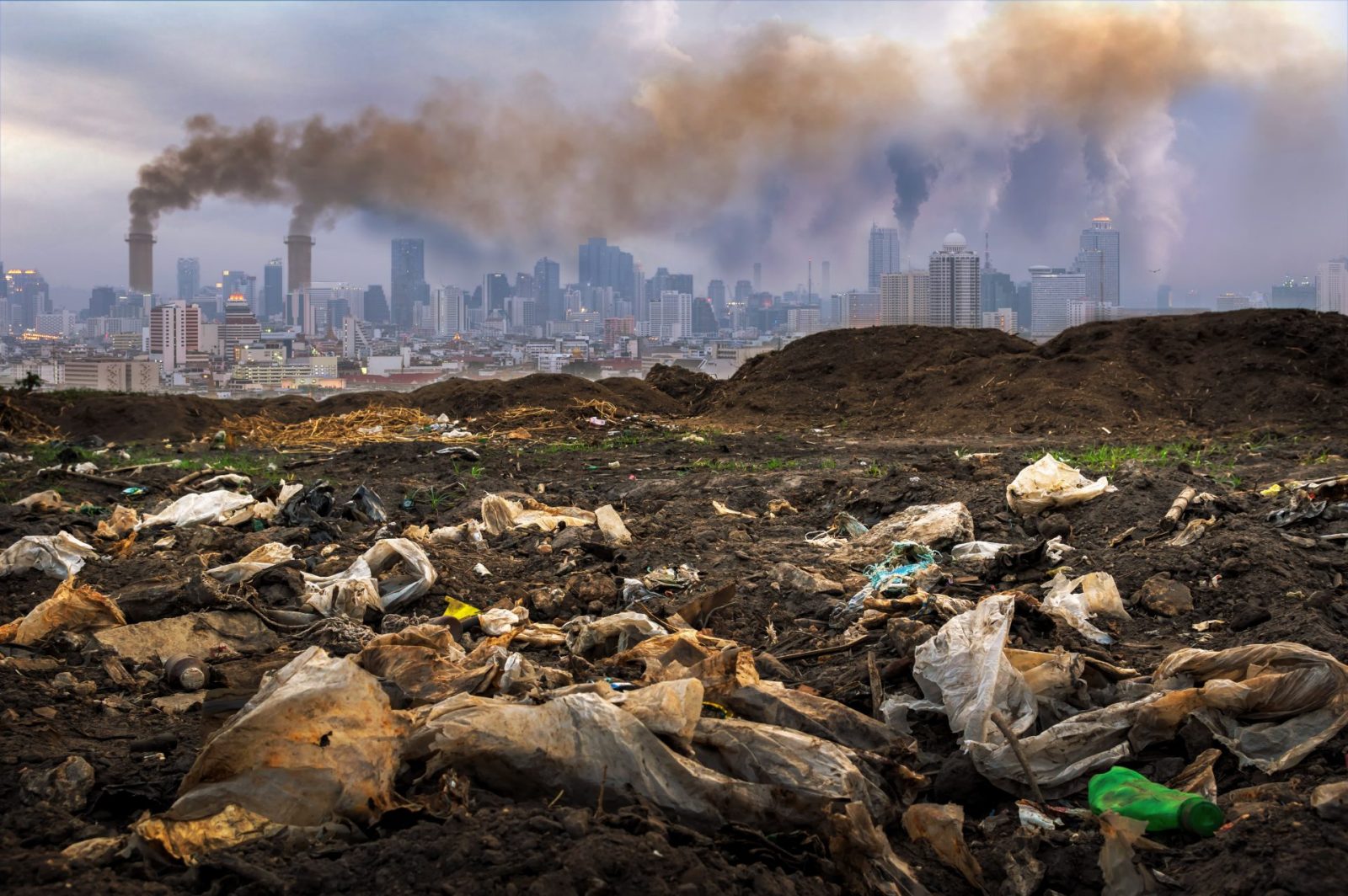
Plastic Pollution has become one of the most pressing environmental issues of our time. There are currently 270,000 tons of plastic floating on the ocean’s surface and this waste threatens over 800 marine species. However, a recent study from the University of Ghent adds a distinctly human aspect to this problem. People who are regularly eating seafood are ingesting around 11,000 tiny pieces of plastic every year. The reason for this is our addiction to disposable plastics.
On top of the aforementioned 270,000 tons of plastic, we put 8.8 million tons of additional plastic waste into the oceans every year and, as we know, plastic is the opposite of biodegradable. Eventually, these plastics break down into tiny little pieces know as microplastics and insidiously work their way into every facet of marine ecosystems. Microplastics pose a significant threat to numerous species of flora and fauna in the ocean, they cut and block digestive tracks, and get stuck in gills and blow holes. The full extent to which microplastics are affecting ocean ecosystems is still unknown but scientists agree, that while there is not a large enough body of data to make sweeping conclusions, the effects can’t be good.
Which is where the University of Ghent comes back into the picture. Dr. Colin Janssen led the research on the effect microplastics will have on humans. That’s right, these pesky bits are still embedded in fish when they are displayed at the market. He estimates that by the end of the century, seafood eaters will have ingested 780,000 pieces of plastic. While most of this plastic waste will pass through the human body, an average of 4,000 pieces of microplastic will stay trapped in the human body. Dr. Janssen told The Telegraph he aims to find out, “Where do [microplastics] go? Are they encapsulated by tissue and forgotten about by the body, or are they causing inflammation or doing other things? Are chemicals leaching out of these plastics and then causing toxicity? We don’t know and actually we do need to know.” We’re not scientists – but it’s pretty safe to say that eating plastic isn’t good for you
While we wait for conclusive results, five trillion pieces of microplastic enter our oceans and waterways every year and that number is estimated to rise to 20 trillion pieces a year by 2050. But there are some simple things we can do to avoid problems that will inevitably come from eating tiny pieces of plastic.
The first is a no-brainer – stop or minimize your consumption of seafood. Not only will this keep microplastics out of your body, it will help preserve the oceans’ ecosystems. Irresponsible fishing techniques are imperiling the delicate balance of life under the sea and we need our ocean health to survive. Ocean ecosystems produce around 70 percent of our planet’s oxygen.
You can also help to keep microplastics out of our oceans by stopping them at the source – our stores and supermarkets. Stay away from soaps and toothpastes that contain microbeads and instead of buying a disposable water bottle bring one with you when you leave your house. To learn more about how our dependence on disposable plastics affects the environment and how to cut plastic out of your life, join One Green Planet’s #CrushPlastic campaign.
Let’s #CrushPlastic! Click the graphic below for more information.
Image source: Imfoto/Shutterstock
Discover Our Latest Posts








Comments:
Leave a Comment
You must be Login to post a comment.
I oculdn\’t agreed more, JC. how depressing that must be. No seafood or another animal goes into my body.
My wife and I are in the Yucatan Peninsula snorkeling right now. We see thousands of small pieces of plastic suspended in the water that wildlife would easily mistake for food. Such a travesty!