Vegan Recipe App
T-Shirts for Activists
Newsletter
Become a Member
Partner with us
Cookbooks
Petitions
Product Features
Adopt-a-Pet
Get thousands of vegan, allergy-friendly recipes in the palm of your hands today!
X
Get your favorite articles delivered right to your inbox!
X
3.3K Views
3 years ago
Science Discovers How Animals Play and Why It’s Important
For brands
Want to reach our audience?
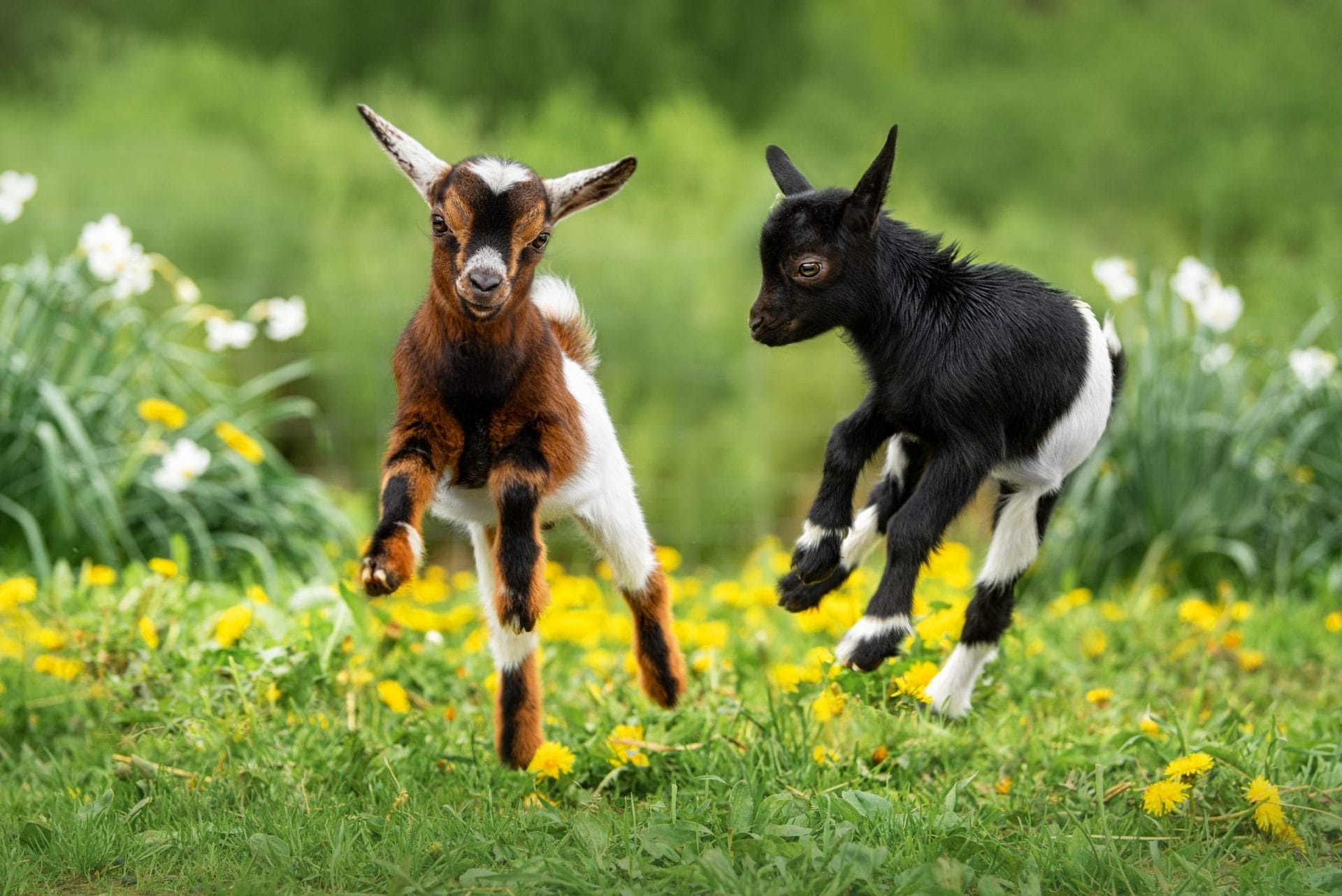
Although animal play is hard to identify because of its subjective nature, scientists have observed play behaviors in many species, including insects.
Source: BBC News/YouTube
The criteria that researchers use to identify play are whether the behavior is purposeless, if it occurs without external rewards, if it differs from more needs-based behaviors, if it happens repeatedly, and if the player (or players) is relaxed when it takes place. Another clue that signals animals are at play is that humans and animals use the same part of their brains when engaging in these behaviors.
“Play has a lot of peculiar and fascinating properties,” said cognitive scientist Laura Schulz, according to Inverse. “It’s totally fundamental to learning and human intelligence.”
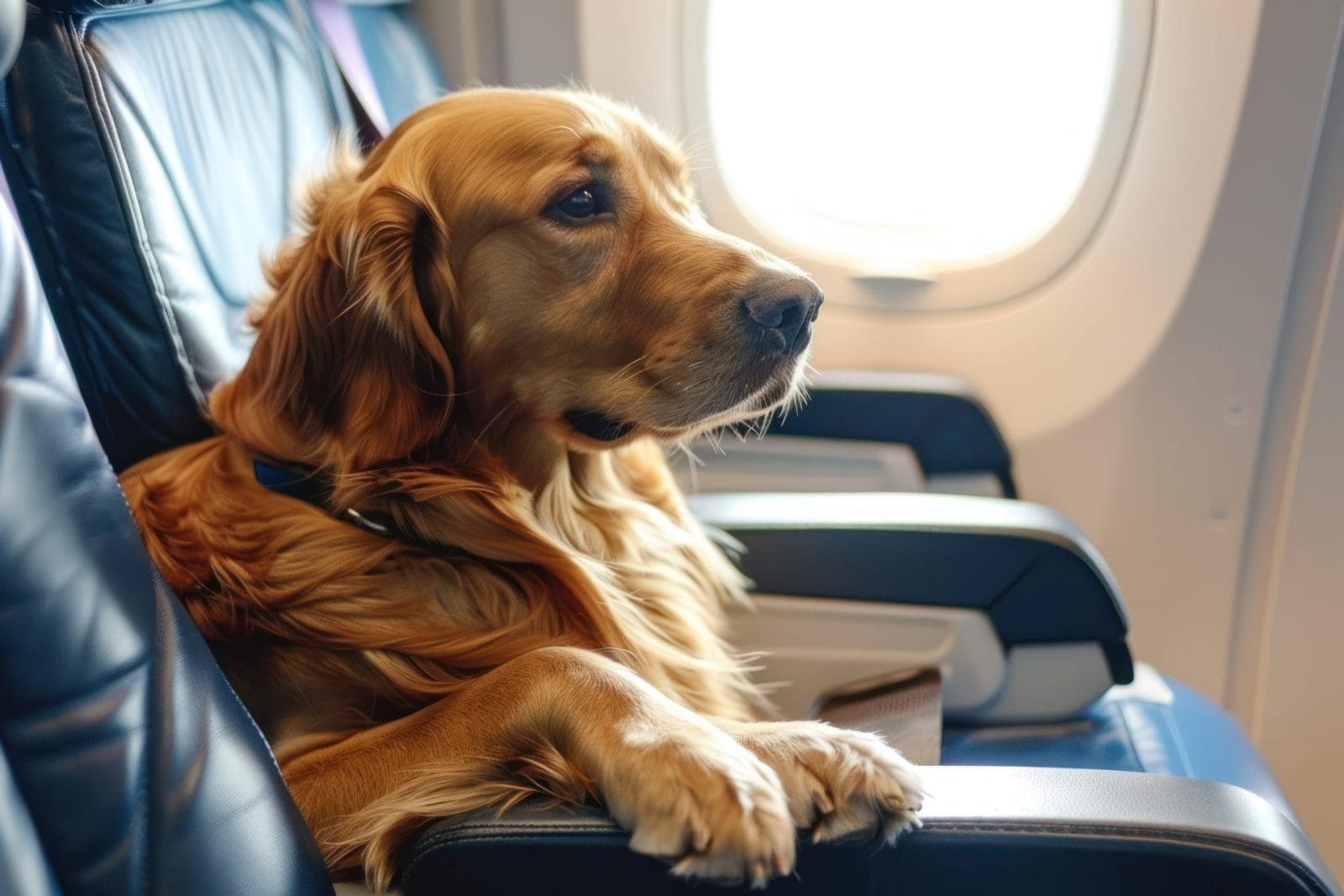
Most people are probably aware of dogs’ penchant for play, along with their “play bow” which sends a clear message to others about their intentions, but many other animals engage in these complex and joyful activities. For example, otters have been known to juggle rocks, rats wrestle and play hide and seek, monkeys repeatedly “dive-bomb” into water for hours, and bumblebees enjoy rolling balls around.
Play helps prepare individuals to deal with life’s challenges, tests boundaries, helps regulate emotions, and improves problem-solving skills, innovation, cooperation, and impulse control. Studies have even shown that rats who grow up without playmates have prefrontal cortexes that aren’t as developed as those with playmates. In addition, play helps release dopamine into an animal’s brain, the rush of which is rewarding.
A UCLA study also discovered that at least 65 species laugh or make vocalizations that imply laughter. Rats were even found to giggle in ultrasonic vocalizations when tickled.
“When we laugh, we are often providing information to others that we are having fun and also inviting others to join,” said Sasha Winkler, one of the researchers, according to Upworthy. “Some scholars have suggested that this kind of vocal behavior is shared across many animals who play, and as such, laughter is our human version of an evolutionarily old vocal play signal.”
Another study discovered that birds who engage in play have a larger relative brain mass and live longer than birds who don’t play. Birds who didn’t play at all had the smallest brain size, birds who played by themselves had slightly larger brains, birds who played with objects had larger brains, and birds who played with others had the largest relative brain size. Interestingly, brain mass was not found to be associated with tool use.
People often like to equate animals with automatons whose sole purpose is to survive and mate, but these assumptions are consistently contradicted by studies and those who pay attention to them. Animals are complex creatures who laugh and enjoy playing games simply because they’re fun. Instead of letting our egos feel hurt that we share these similarities with our animal brethren, maybe we can celebrate that they can also experience the joys of life.

Ahimsa by Tiny Rescue: Animal Collection
Being publicly-funded gives us a greater chance to continue providing you with high-quality content.Click here to Support Us
Easy Ways to Help the Planet:
- Eat Less Meat: Download Food Monster, the largest plant-based Recipe app on the App Store, to help reduce your environmental footprint, save animals and get healthy. You can also buy a hard or soft copy of our favorite vegan cookbooks.
- Reduce Your Fast Fashion Footprint: Take initiative by standing up against fast fashion Pollution and supporting sustainable and circular brands like Tiny Rescue that raise awareness around important issues through recycled zero-waste clothing designed to be returned and remade over and over again.
- Support Independent Media: Being publicly funded gives us a greater chance to continue providing you with high-quality content. Please consider supporting us by donating!
- Sign a Petition: Your voice matters! Help turn petitions into victories by signing the latest list of must-sign petitions to help people, animals, and the planet.
- Stay Informed: Keep up with the latest news and important stories involving animals, the environment, sustainable living, food, health, and human interest topics by subscribing to our newsletter!
- Do What You Can: Reduce waste, plant trees, eat local, travel responsibly, reuse stuff, say no to single-use plastics, recycle, vote smart, switch to cold water laundry, divest from fossil fuels, save water, shop wisely, Donate if you can, grow your food, volunteer, conserve energy, compost, and don’t forget about the microplastics and microbeads lurking in common household and personal care products!
Discover Our Latest Posts





Sign Up
Newsletter
Get your favorite articles delivered right to your inbox! Sign up for daily news from OneGreenPlanet.
Support
Keep One Green Planet independent — chip in what you can, or become a member and get ad-free browsing, a voice in our community, and the good feeling of fueling a sustainable, healthier, and kinder world.




Comments: