
Vegan Recipe App
T-Shirts for Activists
Newsletter
Become a Member
Partner with us
Cookbooks
Petitions
Product Features
Adopt-a-Pet
Get thousands of vegan, allergy-friendly recipes in the palm of your hands today!
X
Get your favorite articles delivered right to your inbox!
X
2.4K Views
3 years ago
Researchers Discover Alarming Plastic Rocks on Remote Brazilian Island
For brands
Want to reach our audience?
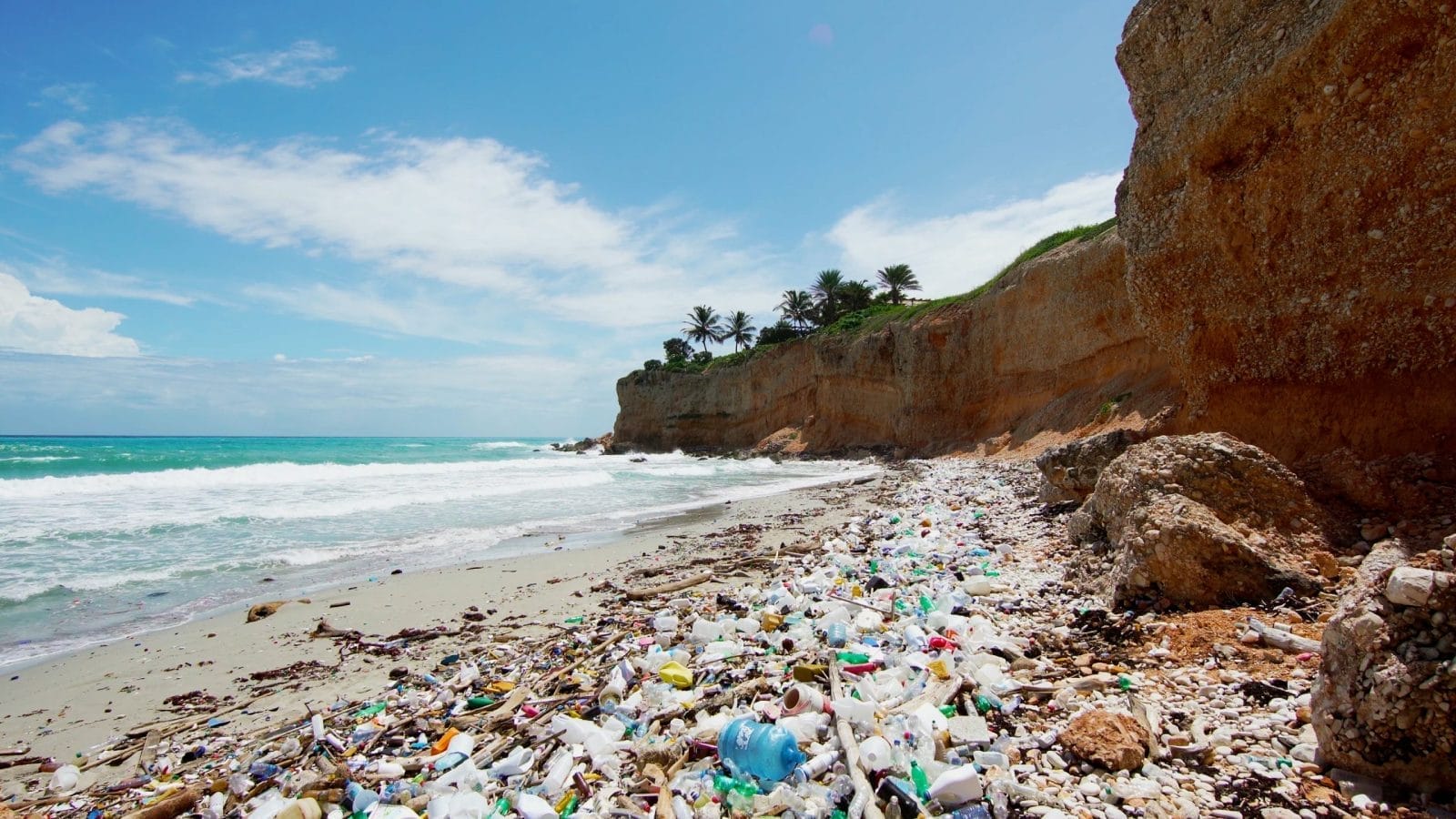
Brazil’s volcanic Trindade Island has long captured the curiosity of scientists. However, the recent discovery of rocks composed of plastic debris on this isolated turtle haven is sounding the alarm. Melted plastic has merged with rocks on the island, which is located 708 miles from the southeastern state of Espirito Santo. Researchers believe this is a sign of humanity’s increasing impact on Earth’s geological cycles.
Source: NBC News/Youtube
Fernanda Avelar Santos, a geologist at the Federal University of Parana, described the findings as “new and terrifying,” emphasizing that Pollution has now entered the realm of geology. Santos and her team conducted chemical tests on the “plastiglomerates” – rocks consisting of a mixture of sedimentary granules and other materials bound together by plastic – to identify the type of plastics present.
According to Santos, the Pollution primarily comes from fishing nets, which are a prevalent form of debris on Trindade Island’s beaches. “The (nets) are dragged by the marine currents and accumulate on the beach. When the temperature rises, this plastic melts and becomes embedded with the beach’s natural material,” she explained.
Trindade Island is one of the world’s most critical Conservation areas for green turtles, or Chelonia mydas, with thousands arriving each year to lay their eggs. The island’s only human residents are members of the Brazilian navy, who maintain a base there and protect the nesting turtles. Santos revealed that the plastic samples were found in a permanently preserved area in Brazil, close to where the green turtles lay their eggs.
The discovery raises questions about the lasting impact humans have on Earth. Santos emphasized the significance of this finding in relation to the Anthropocene, a proposed geological epoch defined by humanity’s influence on the planet’s geology and ecosystems. “The Pollution, the garbage in the sea, and the plastic dumped incorrectly in the oceans is becoming geological material… preserved in the Earth’s geological records,” she said.
This remarkable and concerning discovery highlights the urgent need for action to tackle plastic Pollution and protect our environment. We must reduce our plastic consumption, recycle responsibly, and Support initiatives to clean up our oceans. It’s not just about preserving the beauty of remote islands like Trindade; it’s about ensuring a healthy and vibrant planet for future generations.
As a call to action, let’s raise awareness about plastic Pollution and its far-reaching consequences. Share this article with friends and family, and start a conversation about how we can all make a difference. Consider supporting organizations that are fighting to protect our oceans and the wildlife that calls them home. By working together, we can create lasting change and prevent the creation of more plastic rocks – preserving the natural beauty of our planet for generations to come.

Planet B Not Found Tee by Tiny Rescue: Climate Collection
Being publicly-funded gives us a greater chance to continue providing you with high-quality content.Click here to Support Us
Related Content:
- New Disease ‘Plasticosis’ Caused by Plastics Discovered in Seabirds
- How Artist Pam Longobardi is Turning Ocean Plastics Collected Over 17 Years Into Art
- Petition: Call on the EPA to Enact a Single-Use Plastic Ban
- Nigerian Eco-Artist Transforms Old Plastic Flip-Flops into Colorful Portraits
- Airbnb Co-Founder Donates $25 Million to Get Plastic Out of The Ocean
Easy Ways to Help the Planet:
- Eat Less Meat: Download Food Monster, the largest plant-based Recipe app on the App Store, to help reduce your environmental footprint, save animals and get healthy. You can also buy a hard or soft copy of our favorite vegan cookbooks.
- Reduce Your Fast Fashion Footprint: Take initiative by standing up against fast fashion Pollution and supporting sustainable and circular brands like Tiny Rescue that raise awareness around important issues through recycled zero-waste clothing designed to be returned and remade over and over again.
- Support Independent Media: Being publicly funded gives us a greater chance to continue providing you with high-quality content. Please consider supporting us by donating!
- Sign a Petition: Your voice matters! Help turn petitions into victories by signing the latest list of must-sign petitions to help people, animals, and the planet.
- Stay Informed: Keep up with the latest news and important stories involving animals, the environment, sustainable living, food, health, and human interest topics by subscribing to our newsletter!
- Do What You Can: Reduce waste, plant trees, eat local, travel responsibly, reuse stuff, say no to single-use plastics, recycle, vote smart, switch to cold water laundry, divest from fossil fuels, save water, shop wisely, Donate if you can, grow your food, volunteer, conserve energy, compost, and don’t forget about the microplastics and microbeads lurking in common household and personal care products!
Discover Our Latest Posts









Sign Up
Newsletter
Get your favorite articles delivered right to your inbox! Sign up for daily news from OneGreenPlanet.
Support
Keep One Green Planet independent — chip in what you can, or become a member and get ad-free browsing, a voice in our community, and the good feeling of fueling a sustainable, healthier, and kinder world.





Comments: