Vegan Recipe App
T-Shirts for Activists
Newsletter
Become a Member
Partner with us
Cookbooks
Petitions
Product Features
Adopt-a-Pet
Get thousands of vegan, allergy-friendly recipes in the palm of your hands today!
X
Get your favorite articles delivered right to your inbox!
X
2.7K Views
2 years ago
Plastic Pipes Pose Hidden Risks in Nationwide Lead Removal Effort
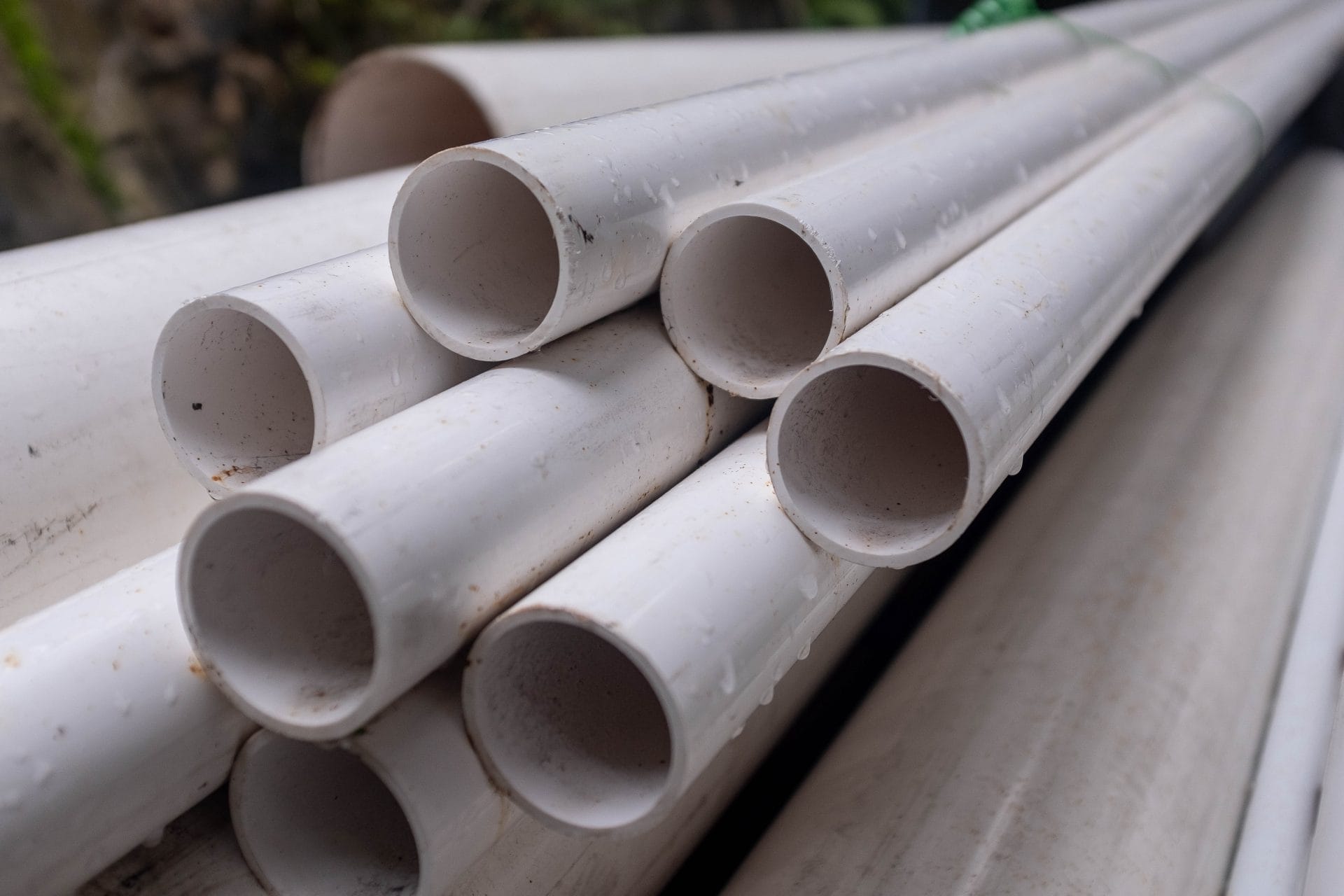
Image Credit: Terence Toh Chin Eng/Shutterstock
For brands
Want to reach our audience?
Researchers Rajpreet Grewal, Laodong Guo, and Melissa Scanlan of the University of Wisconsin-Milwaukee, wrote about the challenges of replacing lead pipes in an article for The Conversation.
In 2015, the water crisis in Flint, Michigan, unveiled the dire consequences of using aging lead pipes when dangerously high lead levels were found in the city’s drinking water. This crisis highlighted the urgent need to replace old and hazardous lead pipes, an issue that affects millions across the U.S. Indeed, the EPA estimates that around 9.2 million service lines delivering drinking water in the country are made of lead, posing serious health risks.
Source: MinuteEarth/YouTube
Recognizing the magnitude of this problem, the federal government, through the 2021 Infrastructure Law, allocated US$15 billion over five years for lead pipe replacement. The initiative underscores a national priority to eliminate these toxic service lines within a decade. However, a critical question remains unanswered by authorities: what materials should replace the lead?
While plastic pipes, notably polyvinyl chloride (PVC), have become a favored choice due to their lower upfront costs, their use comes with considerable concerns. Studies indicate that plastics may leach chemicals and attract metals, which can worsen water quality and health outcomes. For instance, plastic pipes are known to release microplastics and other pollutants into the water supply, substances linked to kidney disease and other health issues.
Further complicating matters, the durability of plastic pipes has been called into question. Instances from cities like Prescott, Arizona, and Hamilton, Ohio, show that plastic materials like PVC and high-density polyethylene (HDPE) do not always meet their expected lifespans, suffering from leaks and other failures prematurely.
Moreover, plastic’s susceptibility to damage from fires poses additional risks. During wildfires, for example, the melting of plastic pipes can lead to the release of toxic chemicals into the water system, significantly impacting water quality and safety.
As communities across the U.S. decide on the materials to replace lead pipes, the debate continues. With billions in federal funding at stake, the choice of replacement materials involves weighing not just the financial costs but also the potential long-term health and environmental impacts. Thus, as the nation moves forward with this crucial infrastructure update, a comprehensive assessment of all available materials is essential to ensure safe and sustainable drinking water for all.

Solution Not Pollution Sweatshirt by Tiny Rescue: Climate Collection
Being publicly-funded gives us a greater chance to continue providing you with high-quality content.Click here to Support Us
Related Content:
- Consumer Reports Says There’s Concerning Levels of Lead Found in Popular Veggie Puffs
- Alarming Study Reveals High Lead Exposure Among Chicago Children
- Judge Approves Record-Breaking $600 Million Settlement Over Flint Water Crisis
- New FLINT Documentary Set to Release Same Week as the Fatal Water Switch Eight Years Ago
- US Struggles with Lead Pipe Replacement Amid Rising Health Concerns
Easy Ways to Help the Planet:
- Eat Less Meat: Download Food Monster, the largest plant-based Recipe app on the App Store, to help reduce your environmental footprint, save animals and get healthy. You can also buy a hard or soft copy of our favorite vegan cookbooks.
- Adopt-a-Pet: Visit WildWatchers, a watchdog platform specifically designed for animal, earth, and wildlife warriors to actively give back, rescue, and protect animals and the planet.
- Reduce Your Fast Fashion Footprint: Take initiative by standing up against fast fashion Pollution and supporting sustainable and circular brands like Tiny Rescue that raise awareness around important issues through recycled zero-waste clothing designed to be returned and remade repeatedly.
- Support Independent Media: Being publicly funded gives us a greater chance to continue providing high-quality content. Please consider supporting us by donating!
- Sign a Petition: Your voice matters! Help turn petitions into victories by signing the latest list of must-sign petitions to help people, animals, and the planet.
- Stay Informed: Keep up with the latest news and important stories involving animals, the environment, sustainable living, food, health, and human interest topics by subscribing to our newsletter!
- Do What You Can: Reduce waste, plant trees, eat local, travel responsibly, reuse stuff, say no to single-use plastics, recycle, vote smart, switch to cold water laundry, divest from fossil fuels, save water, shop wisely, Donate if you can, grow your food, volunteer, conserve energy, compost, and don’t forget about the microplastics and microbeads lurking in common household and personal care products!
Discover Our Latest Posts









Sign Up
Newsletter
Get your favorite articles delivered right to your inbox! Sign up for daily news from OneGreenPlanet.
Support
Keep One Green Planet independent — chip in what you can, or become a member and get ad-free browsing, a voice in our community, and the good feeling of fueling a sustainable, healthier, and kinder world.





Comments: