
Vegan Recipe App
T-Shirts for Activists
Newsletter
Become a Member
Partner with us
Cookbooks
Petitions
Product Features
Adopt-a-Pet
Get thousands of vegan, allergy-friendly recipes in the palm of your hands today!
X
Get your favorite articles delivered right to your inbox!
X
1.3K Views
3 years ago
What Makes People Act on Climate Change? New Study Has Some Answers
For brands
Want to reach our audience?
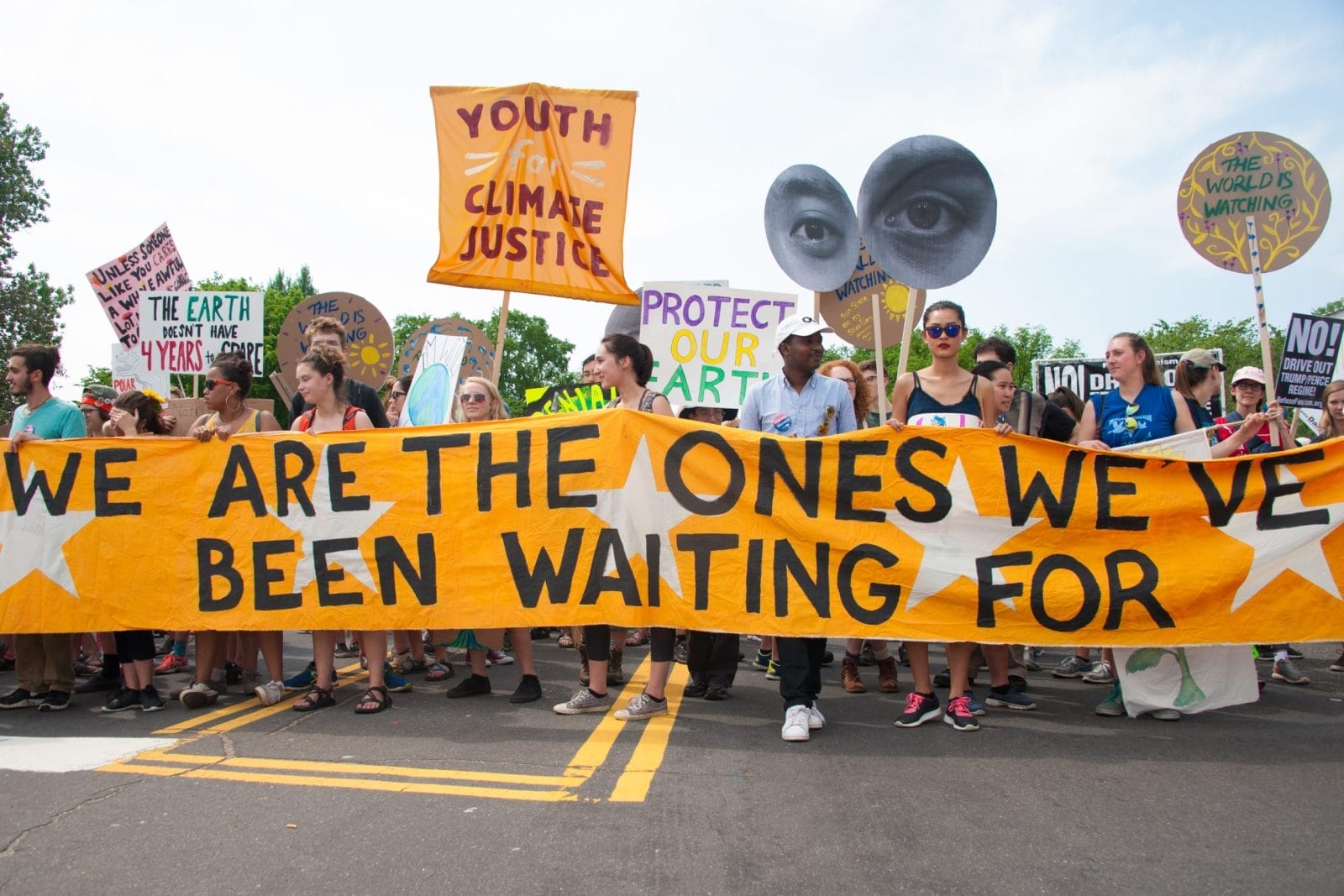
We’re racing against time to tackle Climate change and reduce planet-warming emissions. While governments and companies play a significant role, ordinary people must also make changes in their everyday lives. The question is, how do we best encourage climate-friendly behaviors like using public transportation or conserving home energy?
A new study published in the Proceedings of the National Academy of Sciences USA analyzed the results of 430 individual studies, examining environment-related behaviors and interventions like financial incentives, education campaigns, and social pressure. The research found that financial incentives and social pressure were more effective in changing behaviors than education or feedback.
Education is necessary to raise awareness of climate issues, but it’s often insufficient for changing behaviors. People need more than knowledge to make changes in their lives. That’s where social pressure comes in. It has the most significant effect on behavioral change, whether it’s seeing neighbors installing solar panels or receiving energy reports comparing our usage to others’.
Susan Joy Hassol, director of Climate Communication, explains that people tend to conform to social norms. Knowing someone who has stopped flying due to climate concerns can influence others to follow suit. This “social contagion” is why it’s crucial to talk about the climate actions we take.
The study also found that some behaviors were more susceptible to change than others. Littering was the easiest to modify, while transportation was the most challenging. However, even a small increase in climate-friendly transportation use can significantly reduce emissions compared to more extensive changes in behaviors like recycling.
Researchers Bergquist and Goldberg encourage further investigation into how various interventions compare in changing specific behaviors. They believe that combining different interventions can lead to greater behavioral change and cater to diverse groups of people.
So, what can you do? Start by sharing your climate actions and engaging in conversations with friends, family, and neighbors. Emphasize the importance of sustainable choices and the impact they have on our environment. By creating a sense of community around climate action, we can harness the power of social pressure to make a real difference. Let’s work together and make Earth a more sustainable place for all.

Make Some Noise by Tiny Rescue: Climate Collection
Being publicly-funded gives us a greater chance to continue providing you with high-quality content.Click here to Support Us
Related Content:
- Study Says Human-Induced Climate Change is to Blame For California Wildfires
- Shawn Mendes Releases New Song About Climate Change
- First Youth Trial On Climate Change Starts In Montana
- 10 Movies with Hidden Messages About Climate Change
- Climate Change Is Causing More Deaths On Everest
Easy Ways to Help the Planet:
- Eat Less Meat: Download Food Monster, the largest plant-based Recipe app on the App Store, to help reduce your environmental footprint, save animals and get healthy. You can also buy a hard or soft copy of our favorite vegan cookbooks.
- Reduce Your Fast Fashion Footprint: Take initiative by standing up against fast fashion Pollution and supporting sustainable and circular brands like Tiny Rescue that raise awareness around important issues through recycled zero-waste clothing designed to be returned and remade over and over again.
- Support Independent Media: Being publicly funded gives us a greater chance to continue providing you with high-quality content. Please consider supporting us by donating!
- Sign a Petition: Your voice matters! Help turn petitions into victories by signing the latest list of must-sign petitions to help people, animals, and the planet.
- Stay Informed: Keep up with the latest news and important stories involving animals, the environment, sustainable living, food, health, and human interest topics by subscribing to our newsletter!
- Do What You Can: Reduce waste, plant trees, eat local, travel responsibly, reuse stuff, say no to single-use plastics, recycle, vote smart, switch to cold water laundry, divest from fossil fuels, save water, shop wisely, Donate if you can, grow your food, volunteer, conserve energy, compost, and don’t forget about the microplastics and microbeads lurking in common household and personal care products!
Discover Our Latest Posts










Sign Up
Newsletter
Get your favorite articles delivered right to your inbox! Sign up for daily news from OneGreenPlanet.
Support
Keep One Green Planet independent — chip in what you can, or become a member and get ad-free browsing, a voice in our community, and the good feeling of fueling a sustainable, healthier, and kinder world.





Comments: