Vegan Recipe App
T-Shirts for Activists
Newsletter
Become a Member
Partner with us
Cookbooks
Petitions
Product Features
Adopt-a-Pet
Get thousands of vegan, allergy-friendly recipes in the palm of your hands today!
X
Get your favorite articles delivered right to your inbox!
X
1.3K Views
4 years ago
Ozone Layer is Back on Track to Recover
For brands
Want to reach our audience?
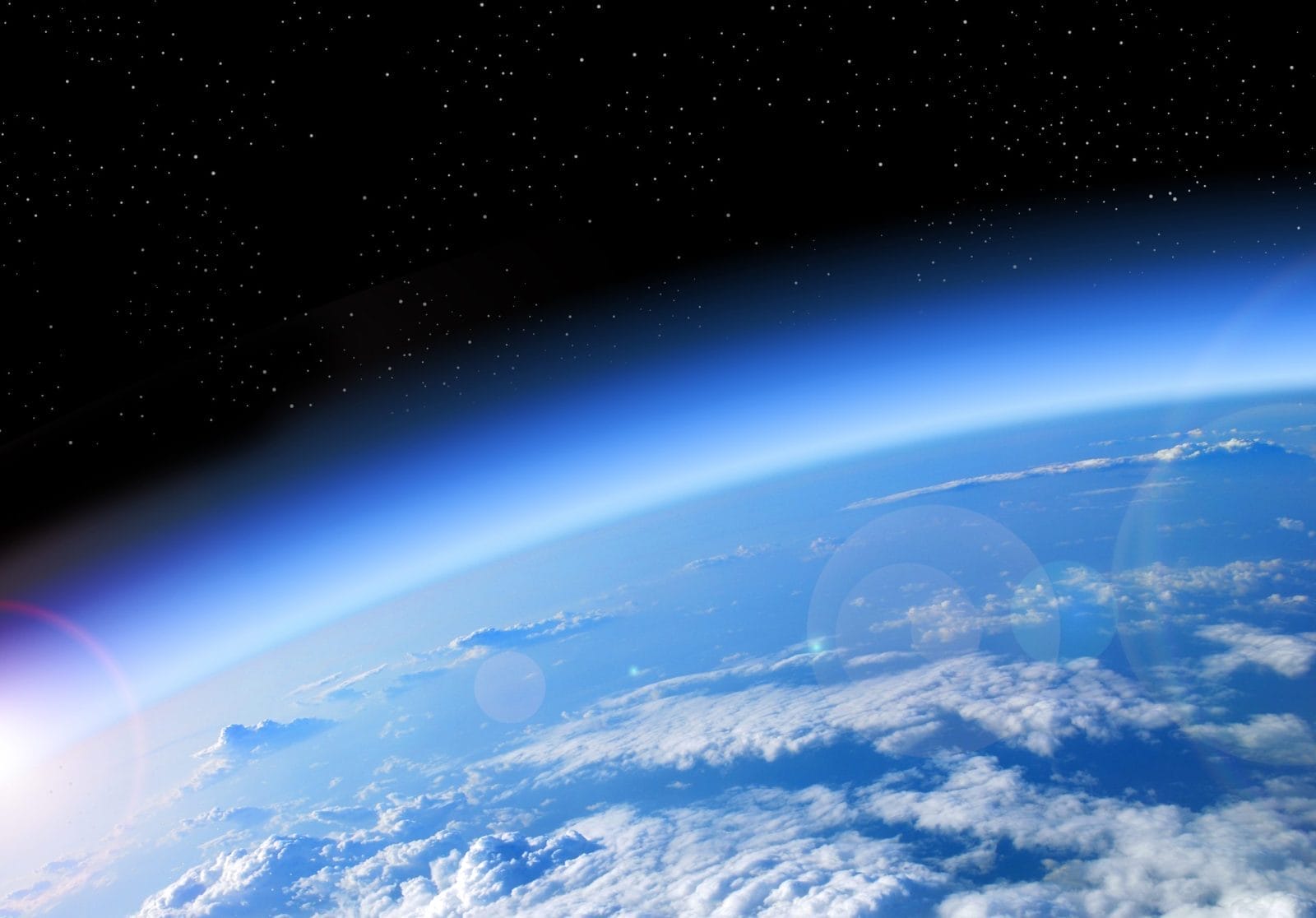
The Ozone layer, which protects life on Earth from the sun’s harmful ultraviolet rays, is on track to recovery. This is great news for the planet, as it helps protect us from skin cancer and cataracts and plays a crucial role in avoiding Global warming.
The Ozone layer is found in the stratosphere, about 15-30 kilometers above the Earth’s surface. It comprises Ozone molecules (O3) that absorb most of the UV radiation that reaches the Earth’s surface. In the 1970s, scientists discovered that certain human-made chemicals called Chlorofluorocarbons (CFCs) were causing the Ozone layer to thin and eventually deplete.
To address this problem, countries around the world came together to sign the Montreal Protocol in 1987. This international agreement aimed to phase out the production and consumption of CFCs and other ozone-depleting substances. Thanks to this treaty, the Ozone layer is now on track to recovery.
According to the United Nations Environment Programme (UNEP), the Ozone hole over Antarctica is expected to heal completely by 2060. Furthermore, the total Ozone column is expected to return to pre-1980 levels by the end of this century. The recovery of the Ozone layer is also helping to slow down Global warming by 0.5°C. This might not seem like a lot, but it can make a significant difference in the long run.
The Ozone layer’s recovery also benefits the climate in other ways. For example, the Ozone layer acts as a “sunscreen” for the Earth, reflecting some of the sun’s energy into space. As the Ozone layer recovers, it will reflect more of the sun’s energy into space, helping to cool the planet.
One of the main reasons that ozone depletion and Global warming are linked is that the same greenhouse gases cause both. CFCs, which are responsible for ozone depletion, are also potent greenhouse gases. When they reach the stratosphere, they break down and release chlorine and bromine atoms that attack and destroy ozone molecules. However, when these same CFCs reach the lower atmosphere, they trap heat and contribute to global warming.
The Ozone layer recovery is a major success story in the fight against Climate change. It shows that we can achieve real and lasting change when countries come together and take action. The Montreal Protocol is a great example of how international cooperation can help protect the planet and its inhabitants.
In conclusion, the Ozone layer recovery is on track, helping to avoid Global warming by 0.5°C. The ozone hole over Antarctica is expected to heal completely by 2060, and the total ozone column is expected to return to pre-1980 levels by the end of this century. The Ozone layer’s recovery also benefits the climate in other ways. It acts as a “sunscreen” for the Earth, reflecting some of the sun’s energy into space, and helps to cool the planet. The recovery of the Ozone layer is a major success story in the fight against Climate change, and it shows that when countries come together and take action, we can achieve real and lasting change.

Planet B Not Found Tee by Tiny Rescue: Climate Collection
Being publicly-funded gives us a greater chance to continue providing you with high-quality content.Click here to Support Us
Related Content:
- Ozone-Depleting Substances like Refrigerants, Solvents and Propellents Responsible for a Third of Global Warming
- 7 Protest Tees For Every Environmentalist
- Gas Appliances in California Leak Benzene and Other Dangerous Pollutants, New Study Finds
- California Becomes First to Ban Purchase of New Natural Gas Heaters and Furnaces by 2035
- NYC Announces New Effort to Monitor Air Quality to Reduce Pollution
Easy Ways to Help the Planet:
- Eat Less Meat: Download Food Monster, the largest plant-based Recipe app on the App Store, to help reduce your environmental footprint, save animals and get healthy. You can also buy a hard or soft copy of our favorite vegan cookbooks.
- Reduce Your Fast Fashion Footprint: Take initiative by standing up against fast fashion Pollution and supporting sustainable and circular brands like Tiny Rescue that raise awareness around important issues through recycled zero-waste clothing designed to be returned and remade over and over again.
- Support Independent Media: Being publicly funded gives us a greater chance to continue providing you with high-quality content. Please consider supporting us by donating!
- Sign a Petition: Your voice matters! Help turn petitions into victories by signing the latest list of must-sign petitions to help people, animals, and the planet.
- Stay Informed: Keep up with the latest news and important stories involving animals, the environment, sustainable living, food, health, and human interest topics by subscribing to our newsletter!
- Do What You Can: Reduce waste, plant trees, eat local, travel responsibly, reuse stuff, say no to single-use plastics, recycle, vote smart, switch to cold water laundry, divest from fossil fuels, save water, shop wisely, Donate if you can, grow your food, volunteer, conserve energy, compost, and don’t forget about the microplastics and microbeads lurking in common household and personal care products!
Discover Our Latest Posts









Sign Up
Newsletter
Get your favorite articles delivered right to your inbox! Sign up for daily news from OneGreenPlanet.
Support
Keep One Green Planet independent — chip in what you can, or become a member and get ad-free browsing, a voice in our community, and the good feeling of fueling a sustainable, healthier, and kinder world.





Comments: