Nicholas Vincent is a passionate environmentalist and freelance writer. He is deeply committed to promoting...
Nicholas Vincent is a passionate environmentalist and freelance writer. He is deeply committed to promoting sustainability and finding solutions to the most pressing environmental challenges of our time. In his free time, Nicholas enjoys the great outdoors and can often be found exploring some of the most beautiful and remote locations around the world. Read more about Nicholas Vincent Read More
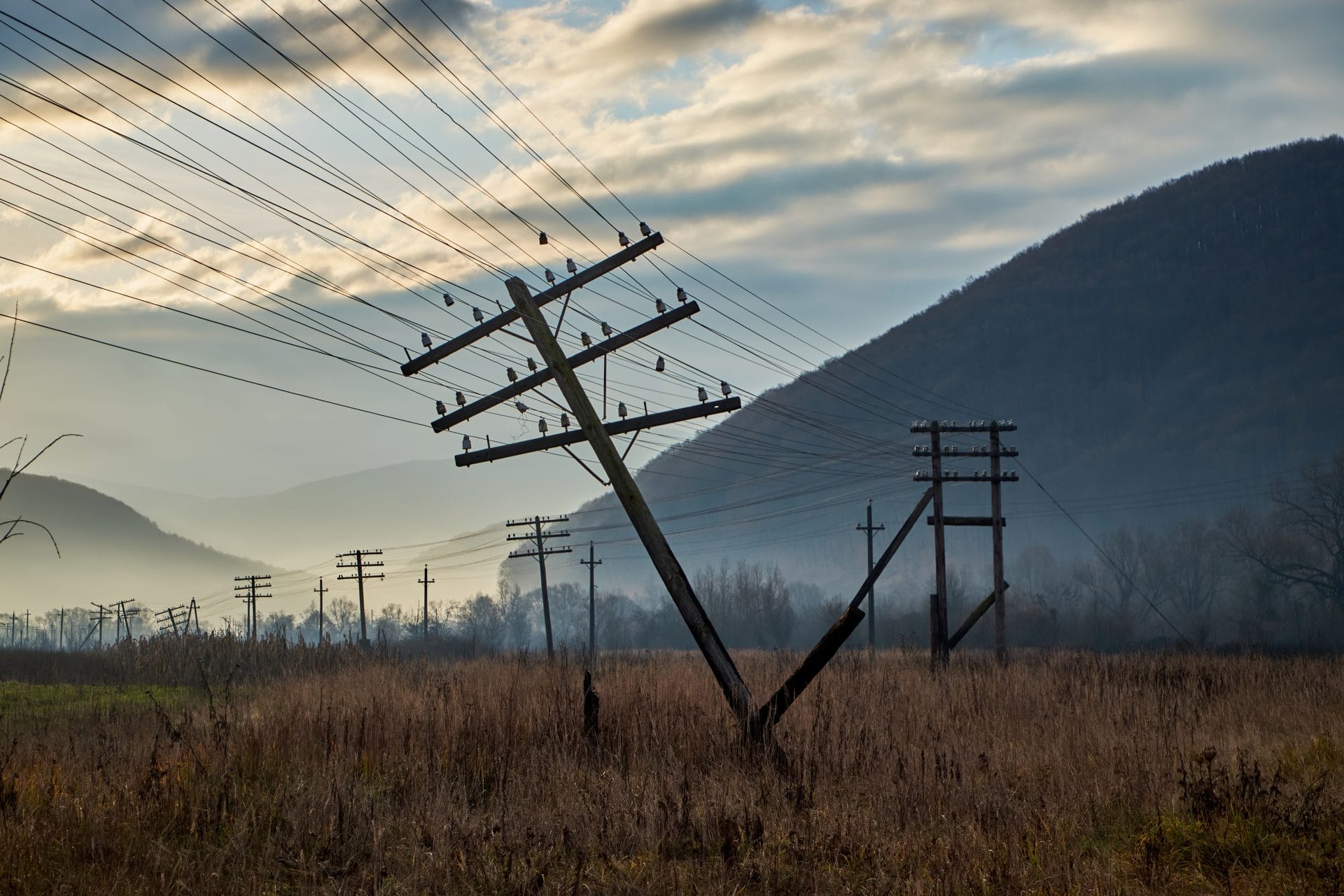
In the wake of the Smokehouse Creek Fire—the largest wildfire in Texas history—investigators have pointed to a downed utility power pole as the cause. This incident shines a spotlight on a growing concern: the intersection of aging power infrastructure and the exacerbating effects of Climate change on wildfire risks. Experts warn that the U.S. is teetering on the edge of a potential disaster, with many utilities “walking into a catastrophe.”
The nation’s power lines, many of which were constructed 60 to 70 years ago, are described as “old, literally rusted assets” by Rob Gramlich, president of Grid Strategies. These aging infrastructures, lacking modern technology to detect overheating or sagging onto flammable materials, are now facing the intensified challenges brought on by climate change. Hotter weather and drier vegetation contribute to larger, more intense wildfires, making it crucial for utilities to adapt to these new realities.
However, not all utility companies are adequately prepared. Michael Wara, from Stanford University, highlights a disparity in readiness among utilities, with some implementing effective measures to mitigate wildfire risks, while others lag dangerously behind. Simple and cost-effective solutions like installing weather sensors on power poles and adjusting settings for automatic power shutoffs during unsafe conditions are available, yet underutilized.
This negligence not only poses a threat to public safety but also to the economic stability of utility services. Investors are becoming increasingly wary of the financial risks associated with heightened wildfire risks, emphasizing the need for utilities to adopt practices that significantly reduce these dangers without incurring prohibitive costs.
The call to action is clear: utility companies must invest in modernizing their infrastructure and employing strategies to mitigate wildfire risks. As the climate continues to change, the safety of communities and the affordability of electric bills hang in the balance. Proactive measures are essential to avoid walking into a catastrophe, ensuring a safer future in the face of evolving environmental challenges.
Wake Up Climate change Is Real by Tiny Rescue: Climate Collection
Eat Less Meat: Download Food Monster, the largest plant-based Recipe app on the App Store, to help reduce your environmental footprint, save animals and get healthy. You can also buy a hard or soft copy of our favorite vegan cookbooks.
Reduce Your Fast Fashion Footprint: Take initiative by standing up against fast fashion Pollution and supporting sustainable and circular brands like Tiny Rescue that raise awareness around important issues through recycled zero-waste clothing designed to be returned and remade over and over again.
Support Independent Media: Being publicly funded gives us a greater chance to continue providing high-quality content. Please consider supporting us by donating!
Sign a Petition: Your voice matters! Help turn petitions into victories by signing the latest list of must-sign petitions to help people, animals, and the planet.
Stay Informed: Keep up with the latest news and important stories involving animals, the environment, sustainable living, food, health, and human interest topics by subscribing to our newsletter!
Do What You Can: Reduce waste, plant trees, eat local, travel responsibly, reuse stuff, say no to single-use plastics, recycle, vote smart, switch to cold water laundry, divest from fossil fuels, save water, shop wisely, Donate if you can, grow your food, volunteer, conserve energy, compost, and don’t forget about the microplastics and microbeads lurking in common household and personal care products!
Get your favorite articles delivered right to your inbox! Sign up for daily news from OneGreenPlanet.
Support
Keep One Green Planet independent — chip in what you can, or become a member and get ad-free browsing, a voice in our community, and the good feeling of fueling a sustainable, healthier, and kinder world.














Comments: