
Vegan Recipe App
T-Shirts for Activists
Newsletter
Become a Member
Partner with us
Cookbooks
Petitions
Product Features
Adopt-a-Pet
Get thousands of vegan, allergy-friendly recipes in the palm of your hands today!
X
Get your favorite articles delivered right to your inbox!
X
12 months ago
New Catalyst Could Revolutionize Plastic Recycling

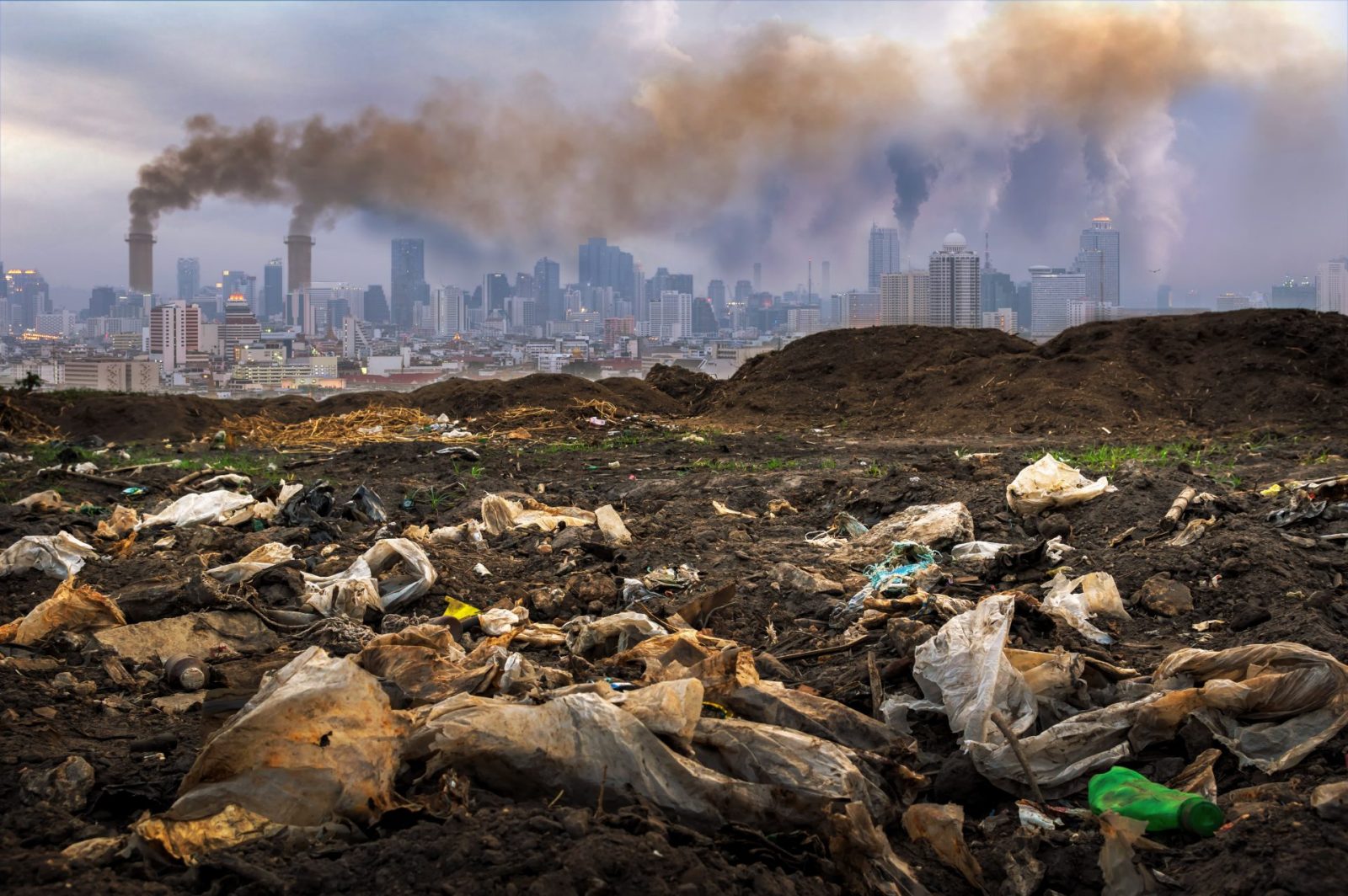
Image Credit: Meaw_stocker/Shutterstock
For brands
Want to reach our audience?
One of the biggest barriers to effective recycling has been the need to sort plastics before processing. Now, scientists at Northwestern University may have found a breakthrough solution. According to New Atlas, researchers developed a cheap nickel-based catalyst that can recycle mixed plastic waste without the labor-intensive sorting step, potentially transforming how the world handles single-use packaging.
The catalyst works by targeting polyolefins—the most common plastics found in items like trash bags, bottles, and wraps—which make up over 220 million tons of global production each year. Currently, less than 10% of this material is recycled, largely because polyolefins are so tough to break down. By selectively cutting carbon-carbon bonds, the new process converts them into oils and waxes that can be upcycled into fuels and lubricants.
Even more promising, the catalyst operates at lower temperatures, requires less hydrogen, and remains stable when exposed to contaminants like PVC. Typically, PVC ruins recycling batches, forcing entire loads of plastic into landfills. In this case, researchers found PVC actually accelerated the breakdown process.
Tobin Marks, senior author of the study published in Nature Chemistry, explained that the innovation could make recycling “more efficient, practical and economically viable than current strategies.” Co-author Yosi Kratish added that the ability to process such chemically resistant plastics is “especially remarkable.”
With global plastic production expected to nearly double to 884 million tons by 2050, this kind of innovation could be game-changing. It not only improves efficiency but could also reduce the massive strain plastics place on ecosystems when they aren’t properly recycled.
If adopted at scale, this catalyst might finally allow recycling to catch up with runaway plastic production. It’s a hopeful step toward reducing waste, cutting Pollution, and moving closer to a truly circular economy.
Being publicly-funded gives us a greater chance to continue providing you with high-quality content.Click here to Support Us
Sign These Petitions!
Please sign our latest and most urgent petitions to help the planet. Every signature counts!
- Petition: Investigate NYC Dog Hoarding Case to Stop Animal Cruelty
- Petition: Stop Lifetime Cruelty to Animals in Saratoga County
- Petition: Stop Pesticide Corporations from Blocking Lawsuits
Related Content:
- South Australia Bans Fish-Shaped Soy Sauce Packets to Tackle Plastic Waste
- Microplastics Are in the Air We Breathe and the Health Risks Are Worse Than We Thought
- Scientists Turn Plastic Waste Into Fuel With Breakthrough One-Step Method
- Chefs Say It’s Time to Ditch Plastic Wrap for This Eco-Friendly Alternative
Easy Ways to Help the Planet:
- Eat Less Meat: Download Food Monster, the largest plant-based Recipe app on the App Store, to help reduce your environmental footprint, save animals and get healthy. You can also buy a hard or soft copy of our favorite vegan cookbooks.
- Adopt-a-Pet: Visit WildWatchers, a watchdog platform specifically designed for animal, earth, and wildlife warriors to actively give back, rescue, and protect animals and the planet.
- Reduce Your Fast Fashion Footprint: Stand against fast fashion Pollution by supporting circular brands like Tiny Rescue, which create cause-based collections using recycled, zero-waste clothing designed to be returned and remade, ensuring it never ends up in a landfill.
- Shop Sustainably for Your Home: Visit SustaiNOBLE.org, an eco-friendly and ethically sourced home decor store that will empower your home with luxurious fair-trade, and sustainable products made by global artisans.
- Support Independent Media: Being publicly funded gives us a greater chance to continue providing you with high-quality content. Please consider supporting us by donating!
- Sign a Petition: Your voice matters! Help turn petitions into victories by signing the latest list of must-sign petitions to help people, animals, and the planet.
- Stay Informed: Keep up with the latest news and important stories involving animals, the environment, sustainable living, food, health, and human interest topics by subscribing to our newsletter!
- Do What You Can: Reduce waste, plant trees, eat local, travel responsibly, reuse stuff, say no to single-use plastics, recycle, vote smart, switch to cold water laundry, divest from fossil fuels, save water, shop wisely, Donate if you can, grow your food, volunteer, conserve energy, compost, and don’t forget about the microplastics and microbeads lurking in common household and personal care products!
Discover Our Latest Posts









Sign Up
Newsletter
Get your favorite articles delivered right to your inbox! Sign up for daily news from OneGreenPlanet.
Support
Keep One Green Planet independent — chip in what you can, or become a member and get ad-free browsing, a voice in our community, and the good feeling of fueling a sustainable, healthier, and kinder world.





Comments: