
Vegan Recipe App
T-Shirts for Activists
Newsletter
Become a Member
Partner with us
Cookbooks
Petitions
Product Features
Adopt-a-Pet
Get thousands of vegan, allergy-friendly recipes in the palm of your hands today!
X
Get your favorite articles delivered right to your inbox!
X
3.3K Views
2 years ago
Microplastics Found in Human Placentas Raise Concerns Over Health Impacts

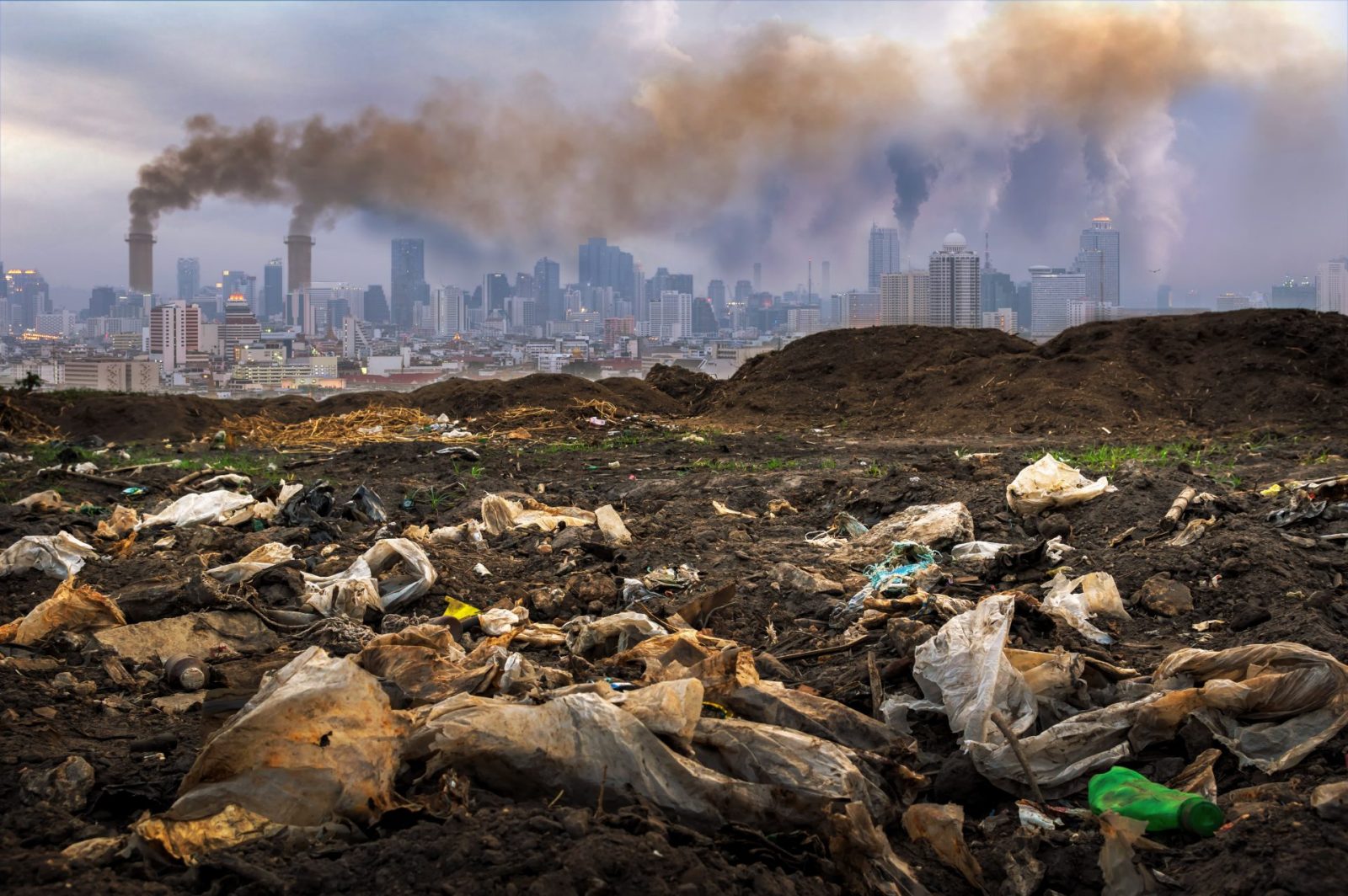
Image Credit: Deemerwha studio/Shutterstock
For brands
Want to reach our audience?
Recent studies have unveiled a concerning reality: microplastics, pervasive in our environment, have now infiltrated human placentas, raising red flags about potential health consequences for developing fetuses. The implications of this infiltration extend beyond immediate concerns, casting a shadow over the health of all life on the planet.
In the analysis, scientists scrutinized 62 placental tissue samples, revealing the omnipresence of microplastics within them. The most frequently identified plastic was polyethylene, commonly used in manufacturing plastic bags and bottles. This discovery mirrors another study that found microplastics present in all 17 human arteries examined, hinting at potential links to vascular blockages.
The concerning reality doesn’t end there. Microplastics have also invaded human blood and breast milk, signifying widespread contamination of the human body. Although the full extent of their health ramifications remains elusive, laboratory studies suggest that microplastics can inflict damage on human cells. These particles have the potential to instigate inflammation upon lodging in tissues, akin to the effects of air Pollution particles, or the chemicals within them might induce harm.
The source of this invasion is not obscure. Enormous quantities of plastic waste fill the environment annually, with microplastics permeating even the most remote corners of the planet, from the summit of Mount Everest to the ocean’s depths. People unwittingly ingest these minute particles through food, water, and even inhalation, with traces found in the feces of infants and adults alike.
Professor Matthew Campen, leading the research at the University of New Mexico, expressed profound concern regarding the escalating global plastic production, exacerbating the predicament of microplastic Pollution. The ramifications of this Pollution might elucidate perplexing rises in certain health maladies, including inflammatory bowel disease (IBD), colon cancer in individuals below 50, and dwindling sperm counts. A study in 2021 discovered that individuals with IBD harbored 50% more microplastics in their feces.
To detect these microplastics, scientists employed chemical processes and centrifugation to isolate them from tissue samples, followed by heating and analysis of their distinctive chemical signatures. The findings, disseminated in the Toxicological Sciences journal, underscore the gravity of the situation. Microplastics were found in all placental samples tested, with concentrations ranging from 6.5 to 790 micrograms per gram of tissue. PVC and nylon emerged as the prevalent plastics after polyethylene, highlighting the multifaceted nature of the contamination.
The revelation of microplastics in placentas first surfaced in 2020, with samples from four healthy women in Italy exhibiting their presence. These microplastics carry substances that, acting as endocrine disruptors, might have lasting effects on human health.
The concentration of microplastics in placentas, especially alarming considering the brief gestational period, underscores the urgency of addressing this issue. Campen stresses that while other organs accumulate pollutants over protracted periods, the placenta, vital for fetal development, confronts immediate peril. To keep microplastics out of our bodies and the environment, we must limit our plastic use!
Being publicly-funded gives us a greater chance to continue providing you with high-quality content.Click here to Support Us
Related Content:
- New York City Considers Banning Detergent Pods to Fight Microplastic Pollution
- EU Demands Cosmetic Industry Pay Up for Microplastic Cleanup
- How Tiny Water Bugs are Unlocking the Secrets of Microplastic Pollution
- Fertilizers are Fueling Microplastic Pollution in Our Soils
- Say Goodbye to Glitter: A Microplastic Hazard Within Your Festive Fun
- Plastic Cutting Boards Cause Ingestion of Microplastics, Says Study
Easy Ways to Help the Planet:
- Eat Less Meat: Download Food Monster, the largest plant-based Recipe app on the App Store, to help reduce your environmental footprint, save animals and get healthy. You can also buy a hard or soft copy of our favorite vegan cookbooks.
- Reduce Your Fast Fashion Footprint: Take initiative by standing up against fast fashion Pollution and supporting sustainable and circular brands like Tiny Rescue that raise awareness around important issues through recycled zero-waste clothing designed to be returned and remade over and over again.
- Support Independent Media: Being publicly funded gives us a greater chance to continue providing you with high-quality content. Please consider supporting us by donating!
- Sign a Petition: Your voice matters! Help turn petitions into victories by signing the latest list of must-sign petitions to help people, animals, and the planet.
- Stay Informed: Keep up with the latest news and important stories involving animals, the environment, sustainable living, food, health, and human interest topics by subscribing to our newsletter!
- Do What You Can: Reduce waste, plant trees, eat local, travel responsibly, reuse stuff, say no to single-use plastics, recycle, vote smart, switch to cold water laundry, divest from fossil fuels, save water, shop wisely, Donate if you can, grow your food, volunteer, conserve energy, compost, and don’t forget about the microplastics and microbeads lurking in common household and personal care products!
Discover Our Latest Posts









Sign Up
Newsletter
Get your favorite articles delivered right to your inbox! Sign up for daily news from OneGreenPlanet.
Support
Keep One Green Planet independent — chip in what you can, or become a member and get ad-free browsing, a voice in our community, and the good feeling of fueling a sustainable, healthier, and kinder world.





Comments: