
Vegan Recipe App
T-Shirts for Activists
Newsletter
Become a Member
Partner with us
Cookbooks
Petitions
Product Features
Adopt-a-Pet
Get thousands of vegan, allergy-friendly recipes in the palm of your hands today!
X
Get your favorite articles delivered right to your inbox!
X
1.8K Views
4 years ago
London-Sized Iceberg Breaks Off Antarctica
For brands
Want to reach our audience?
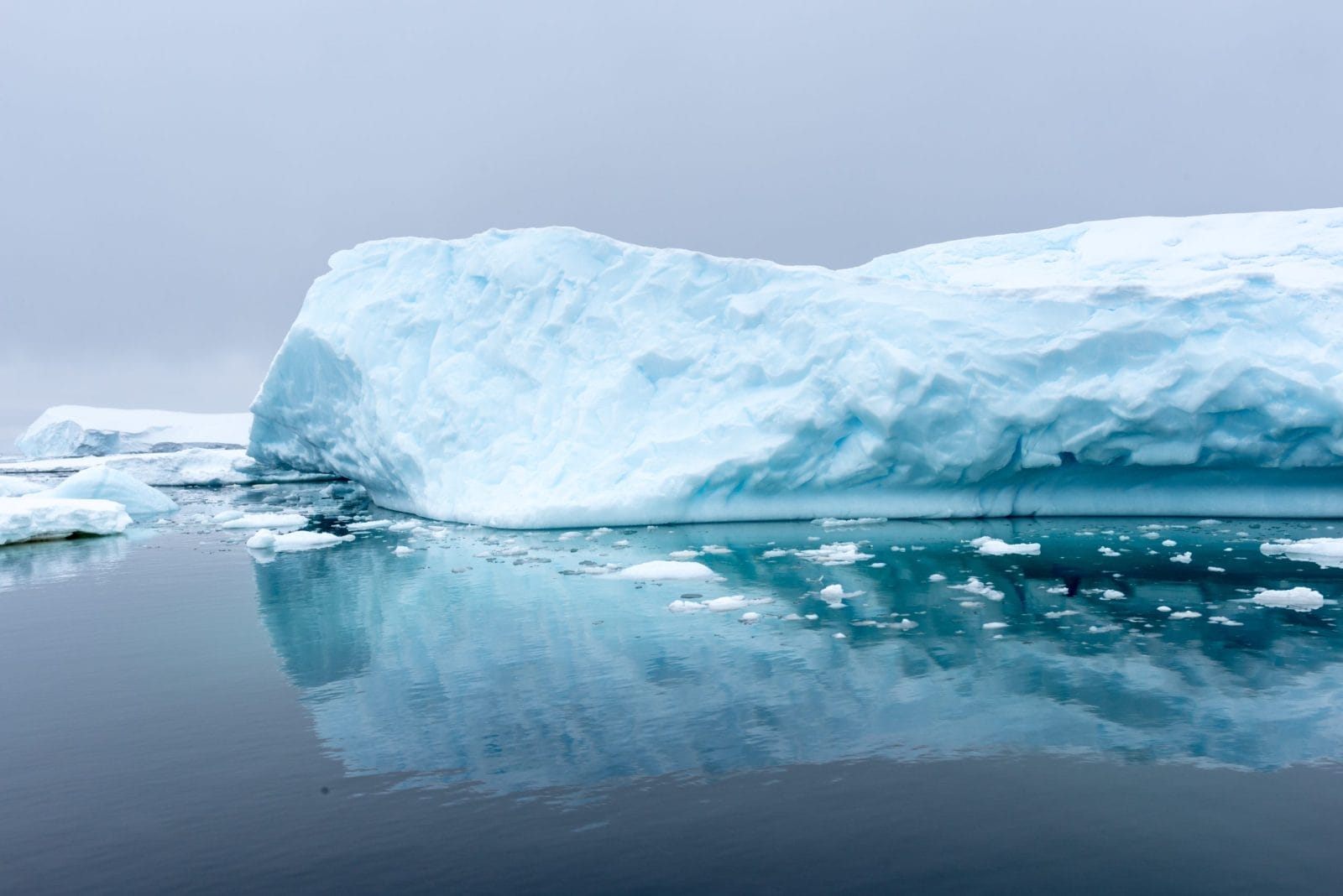
Antarctica is known for its vast and mysterious ice shelves, but recently, one of these natural wonders made headlines for a different reason. A massive iceberg, roughly the size of Greater London, broke off the Brunt Ice Shelf on Sunday, according to the British Antarctic Survey (BAS).
Source: KTVU FOX 2 San Francisco/Youtube
Scientists have been monitoring the ice shelf for cracks for the last decade, but two significant breaks have occurred in the previous two years. Despite the size of the calving event, the BAS has stated that the Halley Research Station, located on the ice shelf, is safe.
The recent calving event was expected and not linked to Climate change, according to Professor Dominic Hodgson, a BAS glaciologist. However, it comes amid record-low sea ice extent in Antarctica, where it is currently summer. Scientists at the National Snow and Ice Data Center have reported that the decline in Antarctic sea ice extent has been unusually rapid this year. At the end of December, the Antarctic sea ice extent stood at the lowest in the 45-year satellite record.
The low sea ice has partly been due to a large band of warmer-than-normal air temperatures and strong winds. These factors have hastened the sea ice decline, and recent data shows the sea ice has not since recovered, suggesting the continent could end the summer with a new record on the books for the second year in a row.
The sea ice extent in Antarctica has been known to be highly variable. While it’s different from what we see in mountain glaciers and the Arctic, it’s still connected to the Global warming trend.
Climate change is a global problem that requires a global solution. As individuals, we can reduce our carbon footprint by being more conscious of the energy we use, the food we eat, and the products we buy. We can also Support policies and technologies that promote clean energy and sustainable living.
Let’s work together to slow down the warming of our planet and preserve natural wonders like the Antarctic Ice Shelf for future generations.

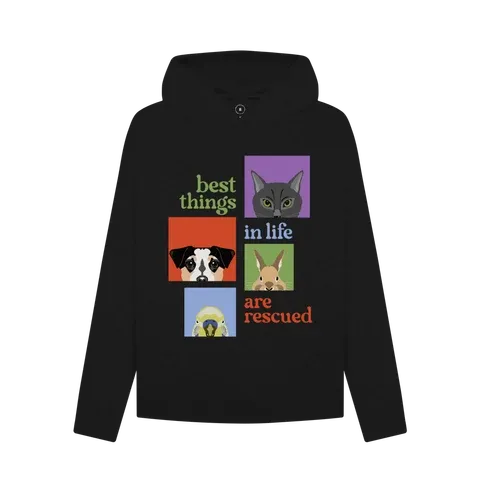
Wake Up and Smell the Climate Change T-Shirt by Tiny Rescue: Climate Collection
Being publicly-funded gives us a greater chance to continue providing you with high-quality content.Click here to Support Us
Related Content:
- The Antarctic Ice Shelf is Breaking From the Inside Out – Here’s How You Can Help Stop This
- Climate Activist Swims Under Zero Degree Antarctic Ice Sheet to Show Effects of Global Warming
- The Rather Shocking Message Behind Stunning Photos of Flipped Icebergs
- The Arctic is Orange: Climate Change’s Impact on Alaska’s Waterways
- Polar Bears Disappearing From Canadian Arctic Due to Climate Change
Easy Ways to Help the Planet:
- Eat Less Meat: Download Food Monster, the largest plant-based Recipe app on the App Store, to help reduce your environmental footprint, save animals and get healthy. You can also buy a hard or soft copy of our favorite vegan cookbooks.
- Reduce Your Fast Fashion Footprint: Take initiative by standing up against fast fashion Pollution and supporting sustainable and circular brands like Tiny Rescue that raise awareness around important issues through recycled zero-waste clothing designed to be returned and remade over and over again.
- Support Independent Media: Being publicly funded gives us a greater chance to continue providing you with high-quality content. Please consider supporting us by donating!
- Sign a Petition: Your voice matters! Help turn petitions into victories by signing the latest list of must-sign petitions to help people, animals, and the planet.
- Stay Informed: Keep up with the latest news and important stories involving animals, the environment, sustainable living, food, health, and human interest topics by subscribing to our newsletter!
- Do What You Can: Reduce waste, plant trees, eat local, travel responsibly, reuse stuff, say no to single-use plastics, recycle, vote smart, switch to cold water laundry, divest from fossil fuels, save water, shop wisely, Donate if you can, grow your food, volunteer, conserve energy, compost, and don’t forget about the microplastics and microbeads lurking in common household and personal care products!
Discover Our Latest Posts








Sign Up
Newsletter
Get your favorite articles delivered right to your inbox! Sign up for daily news from OneGreenPlanet.
Support
Keep One Green Planet independent — chip in what you can, or become a member and get ad-free browsing, a voice in our community, and the good feeling of fueling a sustainable, healthier, and kinder world.




Comments: