
Vegan Recipe App
T-Shirts for Activists
Newsletter
Ad-Free Browsing
Partner with us
Cookbooks
Petitions
Product Features
Adopt-a-Pet
Get thousands of vegan, allergy-friendly recipes in the palm of your hands today!
X
Get your favorite articles delivered right to your inbox!
X
1.4K Views
4 years ago
Lights Out: How Light Pollution is Hiding the Stars

Audio By Carbonatix
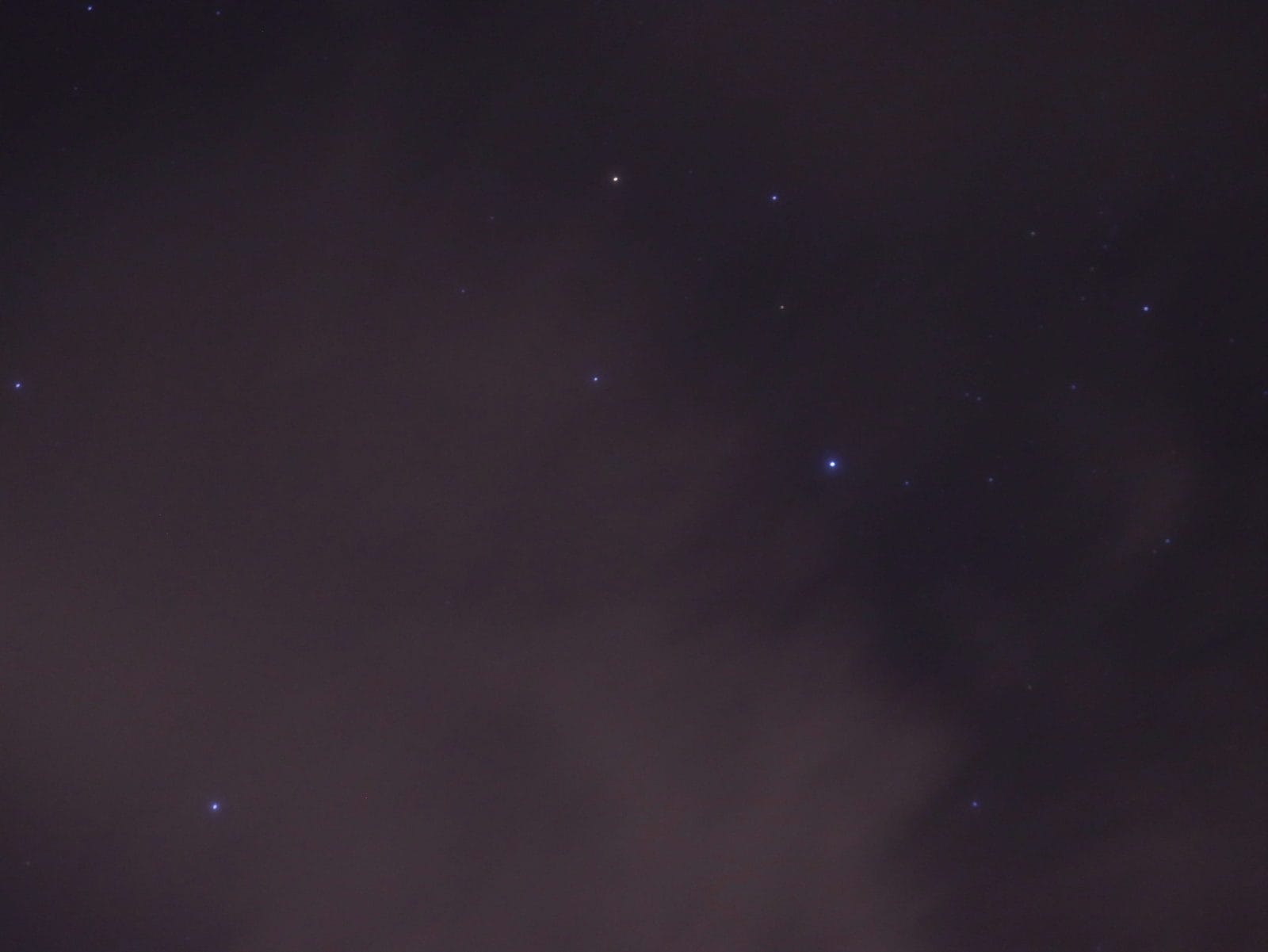
Are you an amateur astronomer or someone who appreciates a clear night sky? Unfortunately, a new study published in Science found that light Pollution is intensifying worldwide, making it harder and harder to see the stars.
Source: National Geographic/Youtube
A team of researchers analyzed tens of thousands of citizen science observations of the night sky as part of the Globe at Night project run by NOIRLab. They found that from 2011 to 2022, the night sky got 9.6% brighter each year, which means that some dimmer stars would disappear altogether for many stargazers. For example, a location with 250 visible stars would see that number reduce to just 100 visible stars over the same period.
The main culprit behind this phenomenon is human light Pollution, specifically skyglow, which is caused by the brightening of the night sky and makes it difficult for Earth-based observers to see the more distant and often faint light from stars. The researchers also noted that the advent of LED lights may have contributed to the increase in light Pollution. LEDs allow more light to be produced for the same amount of energy, and their method of producing white light also emits a lot of blue light, which is the most problematic for sky brightness.
The study’s lead researcher, Christopher Kyba, suggests that using only the necessary amount of light and avoiding very cold white lights and those that produce ultraviolet light would be a good step in reducing light Pollution.
It’s not just stargazers that are affected by light Pollution. Creatures that rely on typical light patterns can suffer when artificial light is introduced to their environment. Light sources in orbit, like satellite constellations, have also proven to be a problem for astronomers.
The study concludes that awareness must significantly increase for artificial light at night to be perceived not as an always-positive thing but as the pollutant it is. So, next time you’re out on a clear night, take a moment to appreciate the beauty of the stars and consider ways you can reduce light Pollution in your community. You can start by turning off lights when they’re not needed and using lower-wattage bulbs. Let’s work together to preserve the natural beauty of the night sky for generations to come.

Stop F*ucking with the Planet T-Shirt by Tiny Rescue: Climate Collection
Being publicly-funded gives us a greater chance to continue providing you with high-quality content.Click here to Support Us
Related Content:
- How Reducing Light Pollution Can Cut Down Carbon Emissions and Protect Biodiversity
- Light Pollution is Taking Navigation Stars Away From the Animals
- 80% of Americans Can’t See the Milky Way Due to Light Pollution. How This Impacts Animals and Plants
- 8 Zero-Waste Circular Brands Saving The Planet From Fast Fashion Pollution
Easy Ways to Help the Planet:
- Eat Less Meat: Download Food Monster, the largest plant-based Recipe app on the App Store, to help reduce your environmental footprint, save animals and get healthy. You can also buy a hard or soft copy of our favorite vegan cookbooks.
- Reduce Your Fast Fashion Footprint: Take initiative by standing up against fast fashion Pollution and supporting sustainable and circular brands like Tiny Rescue that raise awareness around important issues through recycled zero-waste clothing designed to be returned and remade over and over again.
- Support Independent Media: Being publicly funded gives us a greater chance to continue providing you with high-quality content. Please consider supporting us by donating!
- Sign a Petition: Your voice matters! Help turn petitions into victories by signing the latest list of must-sign petitions to help people, animals, and the planet.
- Stay Informed: Keep up with the latest news and important stories involving animals, the environment, sustainable living, food, health, and human interest topics by subscribing to our newsletter!
- Do What You Can: Reduce waste, plant trees, eat local, travel responsibly, reuse stuff, say no to single-use plastics, recycle, vote smart, switch to cold water laundry, divest from fossil fuels, save water, shop wisely, Donate if you can, grow your food, volunteer, conserve energy, compost, and don’t forget about the microplastics and microbeads lurking in common household and personal care products!
Discover Our Latest Posts







Sign Up
Newsletter
Get your favorite articles delivered right to your inbox! Sign up for daily news from OneGreenPlanet.
Support
Help keep One Green Planet free and independent! Together we can ensure our platform remains a hub for empowering ideas committed to fighting for a sustainable, healthy, and compassionate world. Please support us in keeping our mission strong.





Comments: