
Vegan Recipe App
T-Shirts for Activists
Newsletter
Become a Member
Partner with us
Cookbooks
Petitions
Product Features
Adopt-a-Pet
Get thousands of vegan, allergy-friendly recipes in the palm of your hands today!
X
Get your favorite articles delivered right to your inbox!
X
1.8K Views
3 years ago
Image of Truckload of Dead Animals Highlights Dangers of Vehicle Collisions with Wildlife
For brands
Want to reach our audience?
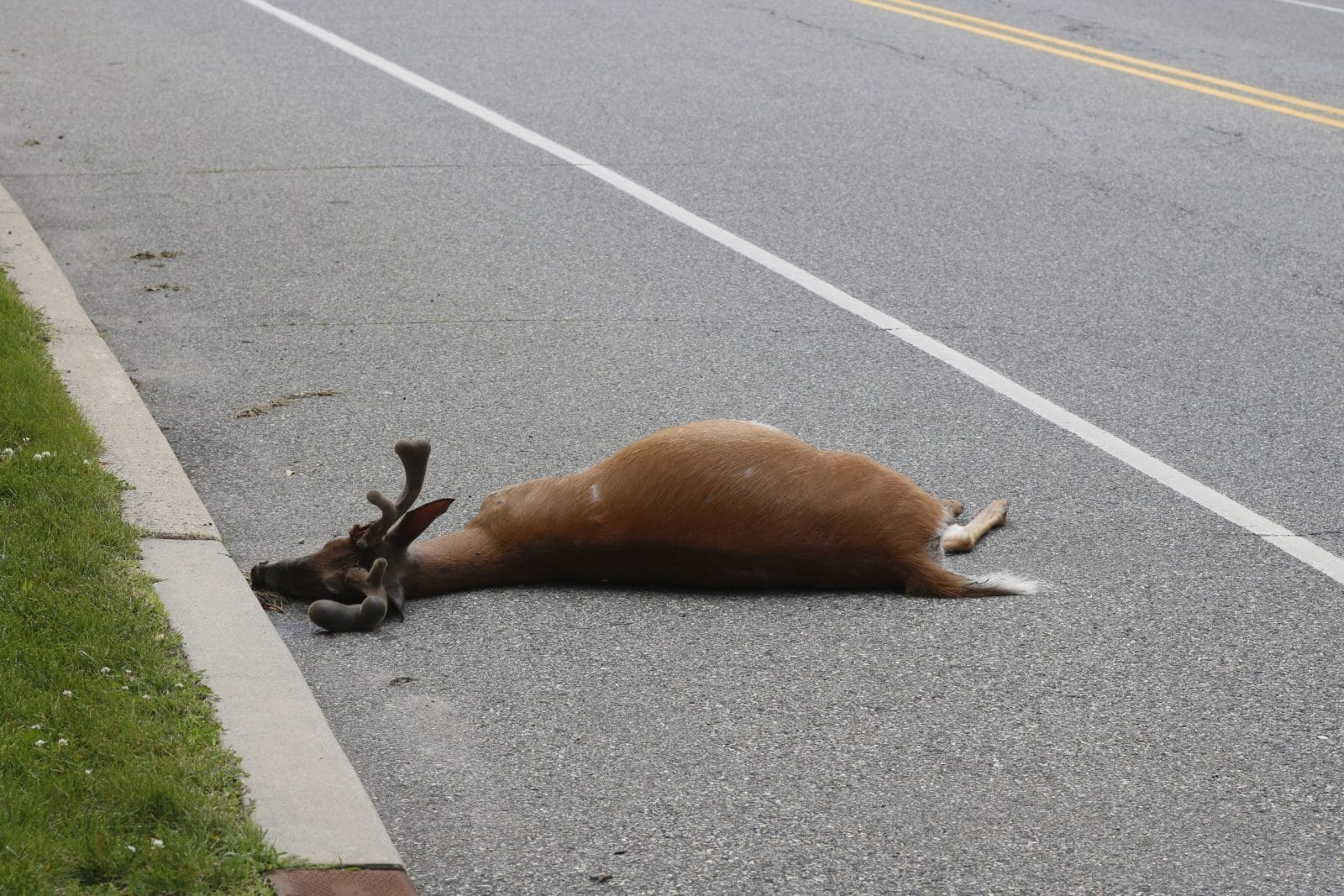
A recent post by the National Park Service (NPS) has highlighted the dangers of vehicle collisions with wildlife, posting a gruesome image of a truck filled with dead deer collected from roadways in the Curecanti National Recreation Area in Colorado. Collisions between vehicles and wildlife pose risks to both the animals and drivers and are a significant problem across the United States, with an estimated 1 million to 2 million occurring every year.
Most animals hit by vehicles die immediately or shortly after the collision, posing a significant threat to local and regional populations, especially for endangered species such as the Key deer, bighorn sheep, ocelots, and the Florida scrub jay, whose survival is threatened by road mortality alongside habitat loss. While the majority of vehicle-animal collisions result in no human injury, those involving larger animals such as moose, elk, and deer have a higher risk of causing injury or even fatalities.
The NPS post attributes the high number of collisions in the area to the heavy snows this winter, causing deer and elk to graze along the highways. This problem is not unique to Colorado and occurs across the country, especially around dawn and dusk, when animals are most active and crossing roadways.
Colorado Parks and Wildlife recommends drivers stay alert and cautious when driving around wildlife areas, slowing down, watching for movement on the sides of the road, and scanning ahead. Drivers should also keep an eye out for wildlife warning signs, especially during the spring and fall, when many animals are on the move.
While it is difficult to quantify the exact number of wildlife killed in road collisions, this issue needs to be taken seriously, and it is up to all of us to play our part in minimizing the risks. Drivers can take simple steps, such as being more aware of their surroundings, to prevent collisions and ensure the safety of both wildlife and themselves.
We can also Support initiatives aimed at creating wildlife crossings and other structures to reduce the risk of vehicle-animal collisions. A collective effort can help save many lives and ensure the survival of endangered species, but it requires us to take action now. Let us all work together to prevent such tragic accidents from happening again.

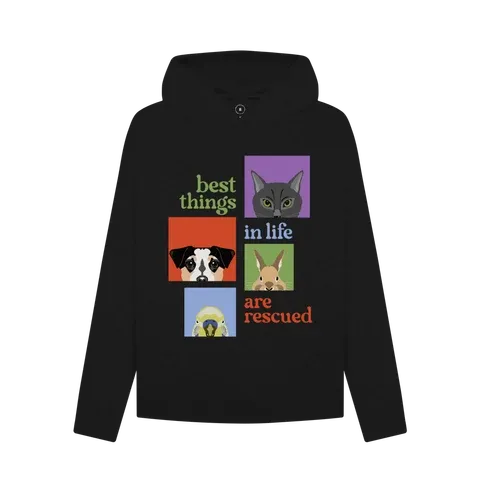
Speak Up Tee By Tiny Rescue: Animal Collection
Being publicly-funded gives us a greater chance to continue providing you with high-quality content.Click here to Support Us
Related Content:
- Wolverine Spotted on the Prowl in Oregon: A Rare Sighting Ignites Wildlife Enthusiasm
- Discover the Wildlife in Your Backyard with the WildTracker Project
- Indian Army Teams Up With Wildlife SOS to Save Collapsed Elephant
- Saving Uganda’s Wildlife: The Fight Against Poaching and Illegal Trade
- 4 Ways to Give Wildlife a Helping Hand This Winter
Easy Ways to Help the Planet:
- Eat Less Meat: Download Food Monster, the largest plant-based Recipe app on the App Store, to help reduce your environmental footprint, save animals and get healthy. You can also buy a hard or soft copy of our favorite vegan cookbooks.
- Reduce Your Fast Fashion Footprint: Take initiative by standing up against fast fashion Pollution and supporting sustainable and circular brands like Tiny Rescue that raise awareness around important issues through recycled zero-waste clothing designed to be returned and remade over and over again.
- Support Independent Media: Being publicly funded gives us a greater chance to continue providing you with high-quality content. Please consider supporting us by donating!
- Sign a Petition: Your voice matters! Help turn petitions into victories by signing the latest list of must-sign petitions to help people, animals, and the planet.
- Stay Informed: Keep up with the latest news and important stories involving animals, the environment, sustainable living, food, health, and human interest topics by subscribing to our newsletter!
- Do What You Can: Reduce waste, plant trees, eat local, travel responsibly, reuse stuff, say no to single-use plastics, recycle, vote smart, switch to cold water laundry, divest from fossil fuels, save water, shop wisely, Donate if you can, grow your food, volunteer, conserve energy, compost, and don’t forget about the microplastics and microbeads lurking in common household and personal care products!
Discover Our Latest Posts





Comments:
Leave a Comment
You must be Login to post a comment.
Sign Up
Newsletter
Get your favorite articles delivered right to your inbox! Sign up for daily news from OneGreenPlanet.
Support
Keep One Green Planet independent — chip in what you can, or become a member and get ad-free browsing, a voice in our community, and the good feeling of fueling a sustainable, healthier, and kinder world.




Too many humans. Too many cars. Too many roads. And too many animals pay the price with their lives.