
Vegan Recipe App
T-Shirts for Activists
Newsletter
Become a Member
Partner with us
Cookbooks
Petitions
Product Features
Adopt-a-Pet
Get thousands of vegan, allergy-friendly recipes in the palm of your hands today!
X
Get your favorite articles delivered right to your inbox!
X
1.3K Views
4 years ago
Greening the Grill: How Treating Beef Like Coal Can Help Save the Planet
For brands
Want to reach our audience?
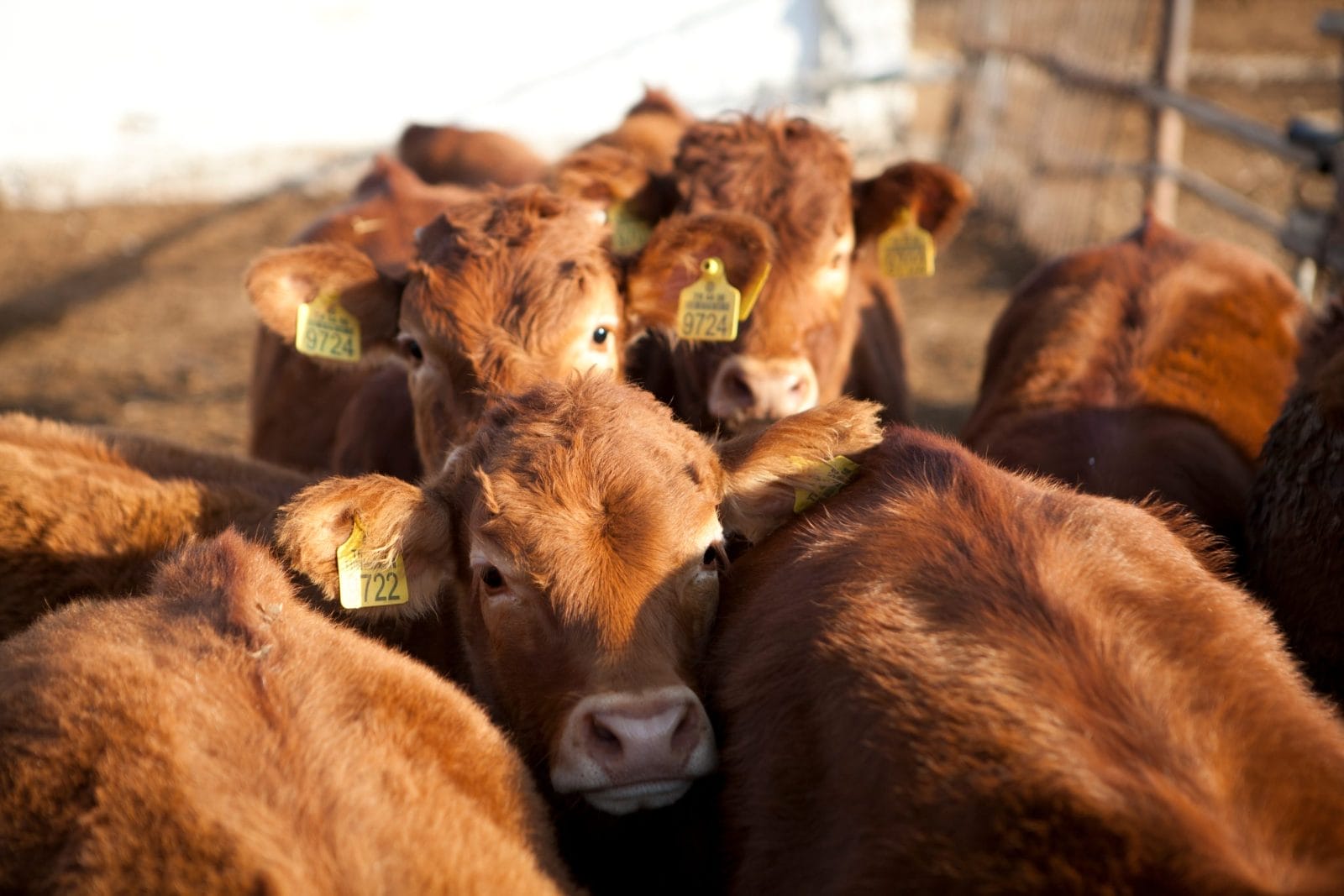
Regarding sustainability, the meat industry is one of the biggest culprits of greenhouse gas emissions. In fact, the livestock sector is responsible for 14.5 percent of global emissions, with beef and dairy being the biggest contributors. But what if we treated beef like coal, a fossil fuel that is a major contributor to Climate change? By implementing similar strategies in the transition from coal to renewable energy, we can significantly reduce emissions from the beef industry.
Source: Vox/Youtube
First, let’s look at the similarities between coal and beef. Both are high-emitting industries that have a significant impact on the environment. Just like coal, the production of beef requires large amounts of land, water, and energy. And like coal burning, beef production generates greenhouse gasses such as methane and nitrous oxide.
One strategy that has been successful in reducing coal emissions is the use of renewable energy sources. In the beef industry, this could mean shifting to plant-based protein sources or using sustainable farming practices that decrease the carbon footprint of beef production. This could include regenerative agriculture, which helps to sequester carbon in the soil, or using feed sources that are more efficient in converting feed to meat.
Another strategy that has been effective in reducing coal emissions is the implementation of carbon pricing, which puts a price on the carbon emissions of a particular industry. This creates an economic incentive for companies to reduce emissions and invest in cleaner technologies. In the beef industry, this could mean charging a fee for the emissions generated by beef production and using the revenue to invest in sustainable alternatives.
Finally, just as the transition from coal to renewable energy has required government policies and incentives, the transition to more sustainable beef production will also need Support from policymakers. This could include tax breaks for companies that adopt sustainable practices or subsidies for farmers who switch to regenerative agriculture.
While these strategies may seem ambitious, they are necessary to effectively reduce emissions from the beef industry. And the good news is that we are already seeing progress in this area. For example, companies like Beyond Meat and Impossible Foods have developed plant-based protein sources that are more sustainable and taste similar to traditional beef, meeting increased demand for plant-based alternatives. And initiatives like the Global Roundtable for Sustainable Beef are working to promote more sustainable practices within the industry. Pretty essential when beef emits 30 times more CO2 than tofu does.
In conclusion, by treating beef like coal and implementing strategies such as the shift to plant-based protein sources, carbon pricing, and government policies, we can significantly reduce meat industry emissions and positively impact the environment. It will take time and effort, but the potential rewards for the planet and future generations are worth it.

Wake Up and Smell the Climate Change T-Shirt by Tiny Rescue: Climate Collection
Being publicly-funded gives us a greater chance to continue providing you with high-quality content.Click here to Support Us
Related Content:
- Bitcoin‘s Environmental Damage Equal to That of Beef, Natural Gas, and Oil, New Study Finds
- Expert Says Solution to Higher Beef and Chicken Prices is to Produce More Meat. Here’s Why That’s a Bad Idea
- Replacing 20 Percent World Beef Intake with Protein Alternatives Could Cut Deforestation in Half, New Research Finds
- PLNT Creates First Ever Ready-To-Eat Vegan Beef Wellington
Easy Ways to Help the Planet:
- Eat Less Meat: Download Food Monster, the largest plant-based Recipe app on the App Store, to help reduce your environmental footprint, save animals and get healthy. You can also buy a hard or soft copy of our favorite vegan cookbooks.
- Reduce Your Fast Fashion Footprint: Take initiative by standing up against fast fashion Pollution and supporting sustainable and circular brands like Tiny Rescue that raise awareness around important issues through recycled zero-waste clothing designed to be returned and remade over and over again.
- Support Independent Media: Being publicly funded gives us a greater chance to continue providing you with high-quality content. Please consider supporting us by donating!
- Sign a Petition: Your voice matters! Help turn petitions into victories by signing the latest list of must-sign petitions to help people, animals, and the planet.
- Stay Informed: Keep up with the latest news and important stories involving animals, the environment, sustainable living, food, health, and human interest topics by subscribing to our newsletter!
- Do What You Can: Reduce waste, plant trees, eat local, travel responsibly, reuse stuff, say no to single-use plastics, recycle, vote smart, switch to cold water laundry, divest from fossil fuels, save water, shop wisely, Donate if you can, grow your food, volunteer, conserve energy, compost, and don’t forget about the microplastics and microbeads lurking in common household and personal care products!
Discover Our Latest Posts









Sign Up
Newsletter
Get your favorite articles delivered right to your inbox! Sign up for daily news from OneGreenPlanet.
Support
Keep One Green Planet independent — chip in what you can, or become a member and get ad-free browsing, a voice in our community, and the good feeling of fueling a sustainable, healthier, and kinder world.





Comments: