
Vegan Recipe App
T-Shirts for Activists
Newsletter
Become a Member
Partner with us
Cookbooks
Petitions
Product Features
Adopt-a-Pet
Get thousands of vegan, allergy-friendly recipes in the palm of your hands today!
X
Get your favorite articles delivered right to your inbox!
X
2.3K Views
3 years ago
The Great Pacific Garbage Patch is So Large, Coastal Ecosystems are Thriving on it, Scientists Say
For brands
Want to reach our audience?
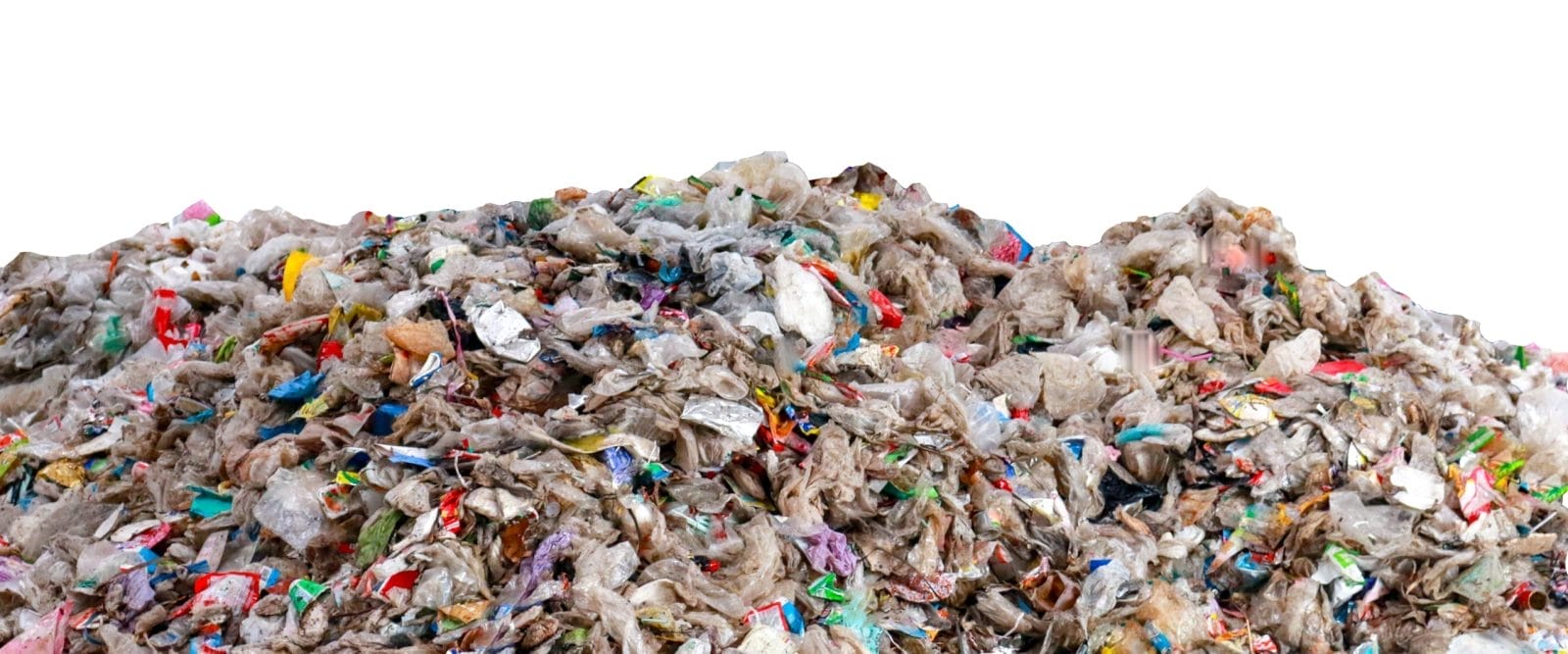
The Great Pacific Garbage Patch, a 620,000 square mile swirl of trash between California and Hawaii, is now home to thriving coastal ecosystems, according to a new study published in the Nature Ecology & Evolution journal. Researchers found that dozens of species of coastal invertebrates, including crabs and anemones, have managed to survive and reproduce on plastic debris floating in the ocean for years.
The presence of these species suggests that plastic pollution might be facilitating the creation of new floating ecosystems for species that are not normally able to survive in the open ocean. Plastic debris can float for much longer than organic material, providing these creatures with the opportunity to thrive in the open ocean for extended periods.
The researchers analyzed 105 pieces of plastic collected from the Great Pacific Garbage Patch and identified 484 marine invertebrates, accounting for 46 different species. Around 80 percent of these species were typically found in coastal habitats, indicating a significant presence of coastal species in the open ocean.
While the consequences of introducing new species into remote ocean areas are not yet fully understood, the study raises concerns about the impact of plastic Pollution on marine ecosystems. The United Nations Environment Programme (UNEP) reports that only 9 percent of plastic waste is recycled globally, and as much as 22 percent of all plastic waste is mismanaged, often ending up in the oceans.
To address this growing issue, the UN Environment Assembly passed a resolution last year to end plastic Pollution and create the world’s first global plastic Pollution treaty by 2024. This legally binding agreement aims to address the full life cycle of plastic, from production and design to disposal.
As global citizens, we must take action to reduce plastic waste and Support efforts to clean up our oceans. Participate in local beach cleanups, recycle responsibly, and reduce your use of single-use plastics. By working together, we can help protect marine life and promote healthier, cleaner oceans for generations to come.

Stop F*cking With The Planet Tee by Tiny Rescue: Climate Collection
Being publicly-funded gives us a greater chance to continue providing you with high-quality content.Click here to Support Us
Related Content:
- The Great Pacific Garbage Patch Cleanup Has Finally Begun
- Greenpeace Expedition Finds 11 Times More Microplastics in Great Pacific Garbage Patch Than Previously Recorded
- Photo of Ocean Cleanup at the Great Pacific Garbage Patch Will Give You Hope
- Microplastics From Great Pacific Garbage Patch Found in Arctic Sea Ice. Are You Ready to Ditch Plastic Now?
- Plastic in ‘Great Pacific Garbage Patch’ Increases 100-Fold
Easy Ways to Help the Planet:
- Eat Less Meat: Download Food Monster, the largest plant-based Recipe app on the App Store, to help reduce your environmental footprint, save animals and get healthy. You can also buy a hard or soft copy of our favorite vegan cookbooks.
- Reduce Your Fast Fashion Footprint: Take initiative by standing up against fast fashion Pollution and supporting sustainable and circular brands like Tiny Rescue that raise awareness around important issues through recycled zero-waste clothing designed to be returned and remade over and over again.
- Support Independent Media: Being publicly funded gives us a greater chance to continue providing you with high-quality content. Please consider supporting us by donating!
- Sign a Petition: Your voice matters! Help turn petitions into victories by signing the latest list of must-sign petitions to help people, animals, and the planet.
- Stay Informed: Keep up with the latest news and important stories involving animals, the environment, sustainable living, food, health, and human interest topics by subscribing to our newsletter!
- Do What You Can: Reduce waste, plant trees, eat local, travel responsibly, reuse stuff, say no to single-use plastics, recycle, vote smart, switch to cold water laundry, divest from fossil fuels, save water, shop wisely, Donate if you can, grow your food, volunteer, conserve energy, compost, and don’t forget about the microplastics and microbeads lurking in common household and personal care products!
Discover Our Latest Posts









Sign Up
Newsletter
Get your favorite articles delivered right to your inbox! Sign up for daily news from OneGreenPlanet.
Support
Keep One Green Planet independent — chip in what you can, or become a member and get ad-free browsing, a voice in our community, and the good feeling of fueling a sustainable, healthier, and kinder world.





Comments: