Vegan Recipe App
T-Shirts for Activists
Newsletter
Become a Member
Partner with us
Cookbooks
Petitions
Product Features
Adopt-a-Pet
Get thousands of vegan, allergy-friendly recipes in the palm of your hands today!
X
Get your favorite articles delivered right to your inbox!
X
1.5K Views
3 years ago
Giant Patch of Seaweed Growing to Record Sizes in the Atlantic
For brands
Want to reach our audience?
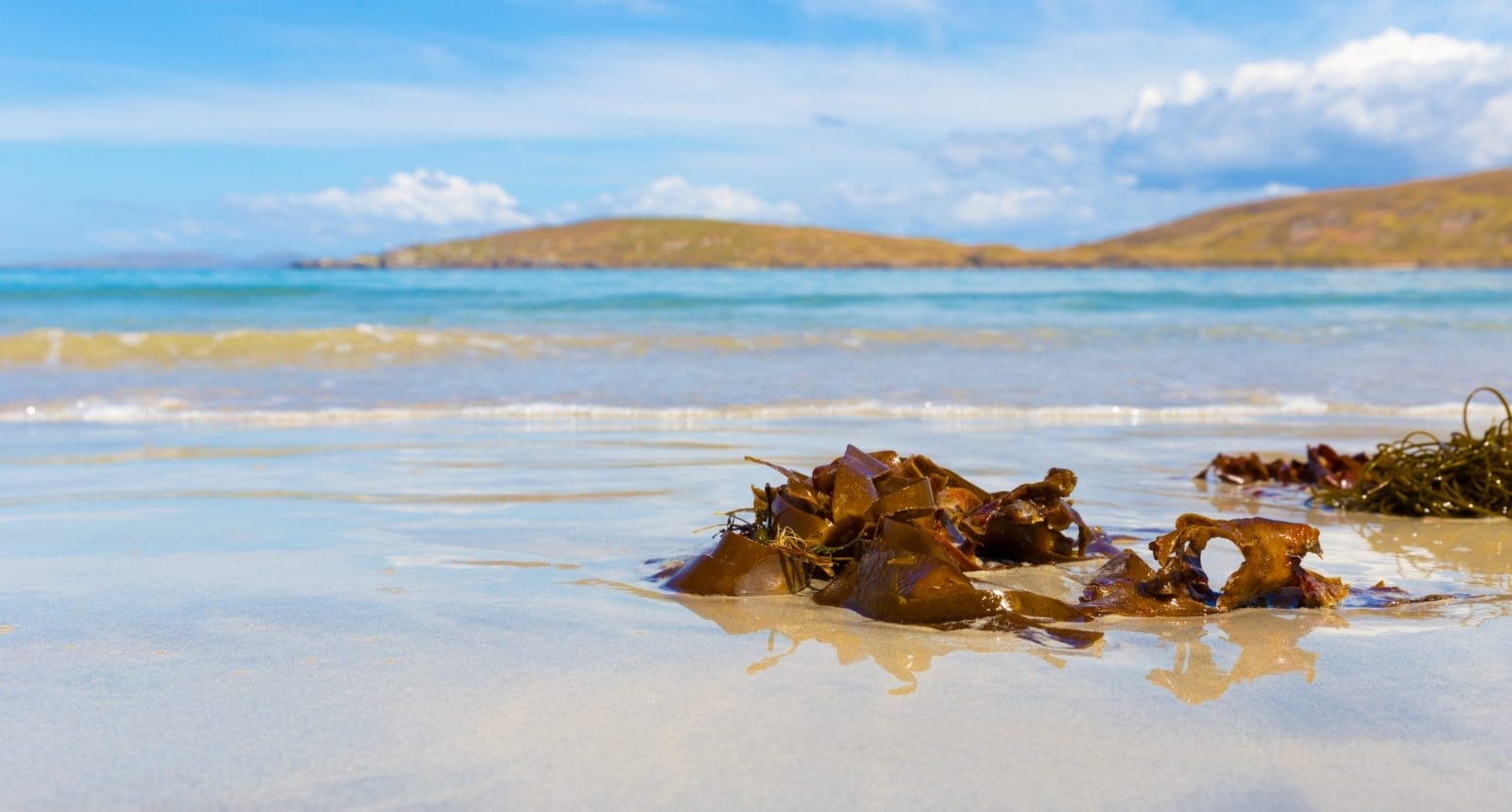
Hey there, sustainability enthusiasts! Ever heard of the ‘Great Atlantic Sargassum Belt‘? This massive stretch of seaweed, extending over 5,000 miles from West Africa to the Caribbean, is creating quite a buzz. And it’s not always for the best reasons, especially if you’re living in Florida or the Caribbean.
source: PBS NewsHour/Youtube
Each spring, Florida and Caribbean regions are greeted by an unwelcome visitor – large clumps of Sargassum, a type of algae. While it might look a bit like a prickly plant, when it decomposes, it emits a gas that smells like rotten eggs. Not quite the beachy aroma we all enjoy, right?
Recent satellite data from the University of South Florida indicates that the Sargassum belt contained a record-breaking 13 million tons of algae in March alone. This growing belt is causing an inundation of seaweed along the Floridian and Caribbean beaches. While this may disrupt our perfect beach vibes, it’s important to remember that every cloud has a silver lining.
Believe it or not, Sargassum is a life-saver in the open ocean. It provides a unique ecosystem, a seaweed island of sorts, housing a diversity of marine life, from tiny crabs to majestic sea turtles. Think of it as the golden rainforest of the ocean. It’s also a big help in our fight against Climate change, as it absorbs carbon dioxide, a notorious greenhouse gas.
Now, you might be wondering why there’s such a sudden boom in the Sargassum population. Well, the answer might lie in our own actions. Pollution from agricultural runoff, deforestation, and potential changes in wind patterns due to climate change, are all likely contributors.
While it’s not a full-blown crisis for Florida (the Caribbean islands bear the brunt of the seaweed influx), the increasing Sargassum could pose problems for coastal industries, especially tourism. But it’s also worth noting that there are potential benefits. Entrepreneurs are looking to repurpose Sargassum into useful products like bricks, fertilizers, and even food additives!
So, while the Sargassum situation might seem a bit stinky, let’s remember that it’s not just a nuisance. It’s a vital part of our marine ecosystem and even a tool in our fight against Climate change.
We’re all part of this world, and it’s our actions that often contribute to these ecological changes. So let’s take this as a reminder to be mindful of our environmental impact. Every little step towards sustainability counts, whether that’s reducing water use, recycling more, or supporting eco-friendly businesses. Let’s turn the tide on our habits for cleaner oceans and a brighter future!

Planet B Not Found Tee by Tiny Rescue: Climate Collection
Being publicly-funded gives us a greater chance to continue providing you with high-quality content.Click here to Support Us
Related Content:
- Gardener Turns Pile of Beached Seaweed into Sustainable Building Blocks
- 10 Simple Seaweed Salad Recipes
- Most Varieties of Seaweed That Grow In South Africa are Edible [Video]
- Florida’s Beaches Prepare For 5,000 Mile Blob of Seaweed to Deposit Rotting Goop
- Prince William Awards $1.2 Million to Startup Making Edible Packaging From Seaweed
Easy Ways to Help the Planet:
- Eat Less Meat: Download Food Monster, the largest plant-based Recipe app on the App Store, to help reduce your environmental footprint, save animals and get healthy. You can also buy a hard or soft copy of our favorite vegan cookbooks.
- Reduce Your Fast Fashion Footprint: Take initiative by standing up against fast fashion Pollution and supporting sustainable and circular brands like Tiny Rescue that raise awareness around important issues through recycled zero-waste clothing designed to be returned and remade over and over again.
- Support Independent Media: Being publicly funded gives us a greater chance to continue providing you with high-quality content. Please consider supporting us by donating!
- Sign a Petition: Your voice matters! Help turn petitions into victories by signing the latest list of must-sign petitions to help people, animals, and the planet.
- Stay Informed: Keep up with the latest news and important stories involving animals, the environment, sustainable living, food, health, and human interest topics by subscribing to our newsletter!
- Do What You Can: Reduce waste, plant trees, eat local, travel responsibly, reuse stuff, say no to single-use plastics, recycle, vote smart, switch to cold water laundry, divest from fossil fuels, save water, shop wisely, Donate if you can, grow your food, volunteer, conserve energy, compost, and don’t forget about the microplastics and microbeads lurking in common household and personal care products!
Discover Our Latest Posts









Sign Up
Newsletter
Get your favorite articles delivered right to your inbox! Sign up for daily news from OneGreenPlanet.
Support
Keep One Green Planet independent — chip in what you can, or become a member and get ad-free browsing, a voice in our community, and the good feeling of fueling a sustainable, healthier, and kinder world.





Comments: