
Vegan Recipe App
T-Shirts for Activists
Newsletter
Become a Member
Partner with us
Cookbooks
Petitions
Product Features
Adopt-a-Pet
Get thousands of vegan, allergy-friendly recipes in the palm of your hands today!
X
Get your favorite articles delivered right to your inbox!
X
1 year ago
Drinking From Plastic Bottles Left in Hot Cars Carries Hidden Risks
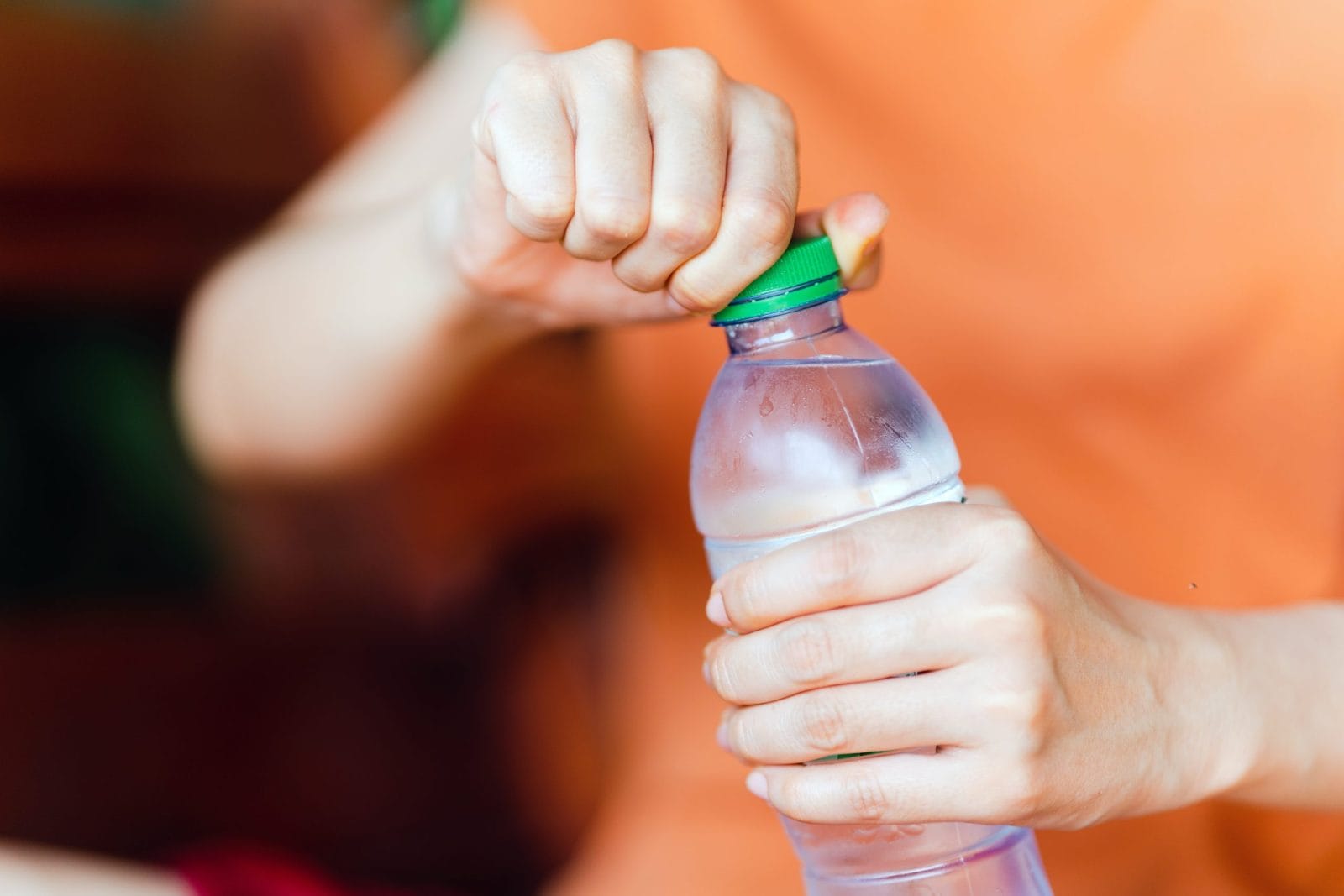
Image Credit: Oporty786/Shutterstock
For brands
Want to reach our audience?
If you’ve ever left a plastic water bottle in your car on a hot day, you might want to think twice before drinking it. According to reporting by Melinda Wenner Moyer in the New York Times, high temperatures and UV rays can turn that bottle into a breeding ground for both bacteria and toxic chemicals.
Experts warn that once a bottle has been opened, microbes from your mouth, hands, or the air can multiply inside it quickly—especially in the extreme heat of a closed car. Studies have shown that bacteria like Staphylococcus aureus, a common cause of food-borne illness, can grow within 48 hours in water bottles kept at room temperature, and car interiors often heat up far beyond that.
The risks don’t stop there. Many single-use water bottles are made of PET plastic, which can leach hormone-disrupting chemicals like BPA and phthalates when exposed to heat or sunlight. Nicole Deziel, an environmental epidemiologist at Yale, explained that these substances interfere with the body’s natural hormones and have been linked to chronic conditions such as asthma and Type 2 diabetes. On top of this, microplastics—tiny fragments that shed from the bottles—are now being found in human organs, including the liver, kidneys, and even the brain.
While the FDA insists current packaging use is safe, independent scientists remain skeptical. The safer alternative? Experts recommend switching to reusable stainless steel or glass bottles, which don’t break down into microplastics or release harmful chemicals when heated. And if you’re unsure about that bottle you left in the car, it’s better to pour it out than risk drinking it.
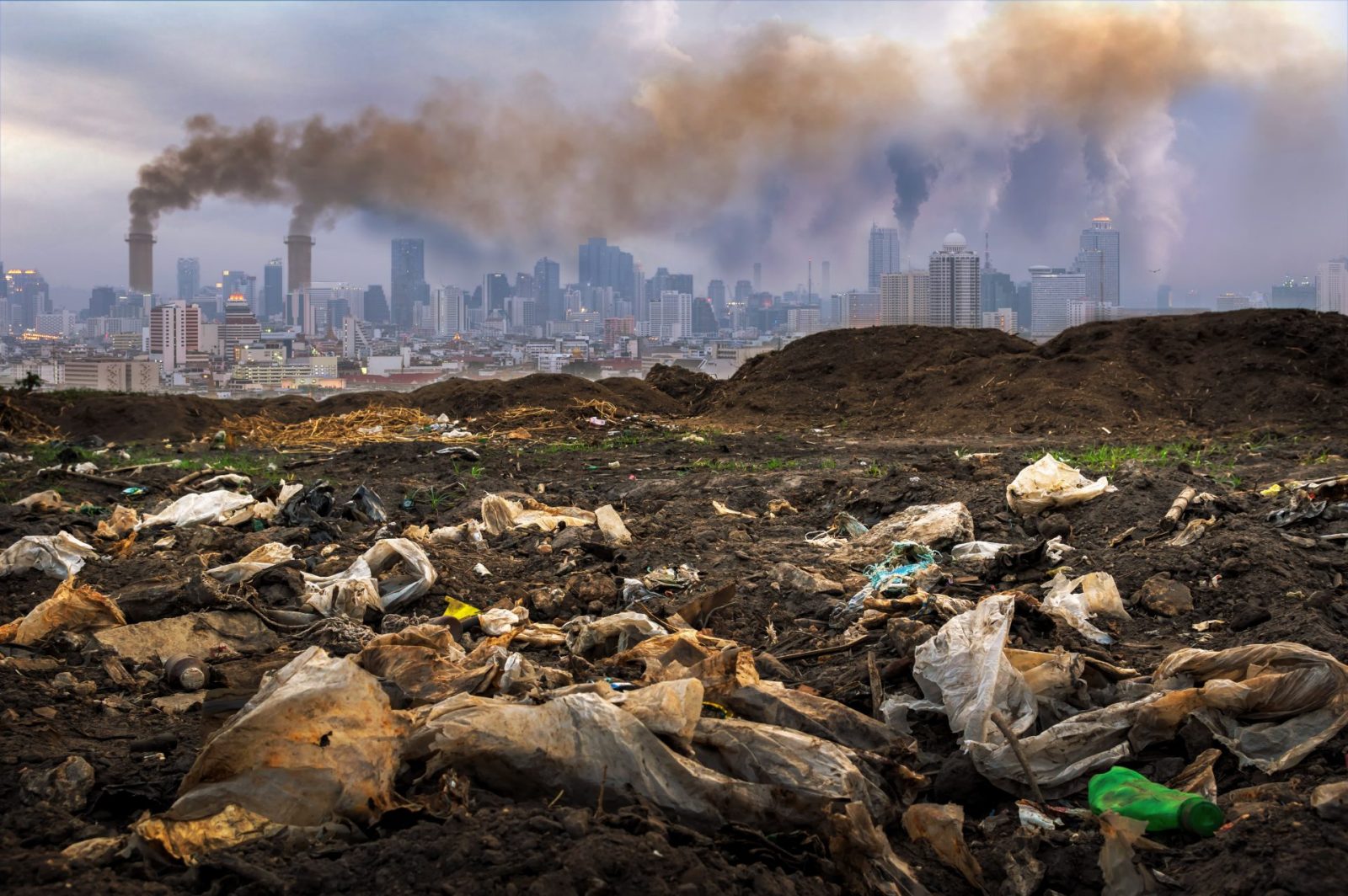
Plastic bottles are not just a hazard to our health—they’re also choking wildlife and polluting oceans. Choosing reusable options is one small but powerful way to protect both yourself and the planet.
Being publicly-funded gives us a greater chance to continue providing you with high-quality content.Click here to Support Us
Sign These Petitions!
Please sign our latest and most urgent petitions to help the planet. Every signature counts!
- Petition: Add the Bollanolla Range to Australia’s Great Koala National Park – Protect Koala Habitat Now
- Petition: Shut Down China’s Dog Meat Festival for Good – End the Yulin Cruelty Now
- Petition: Stop Steer Tailing and Prevent Animal Abuse in Illinois
Related Content:
- How to Reduce Microplastics in Everyday Life
- California Leads the Nation on Plastic Pollution While Most States Fall Behind
- Plastic Packaging Is Feeding Us Microplastics with Every Meal
- Bacteria Turn Plastic Bottles into Painkillers in Breakthrough Discovery
- Young Palestinians in Gaza Turn Plastic Waste into Fuel to Survive Amid Conflict
Easy Ways to Help the Planet:
- Eat Less Meat: Download Food Monster, the largest plant-based Recipe app on the App Store, to help reduce your environmental footprint, save animals and get healthy. You can also buy a hard or soft copy of our favorite vegan cookbooks.
- Adopt-a-Pet: Visit WildWatchers, a watchdog platform specifically designed for animal, earth, and wildlife warriors to actively give back, rescue, and protect animals and the planet.
- Reduce Your Fast Fashion Footprint: Stand against fast fashion Pollution by supporting circular brands like Tiny Rescue, which create cause-based collections using recycled, zero-waste clothing designed to be returned and remade, ensuring it never ends up in a landfill.
- Shop Sustainably for Your Home: Visit SustaiNOBLE.org, an eco-friendly and ethically sourced home decor store that will empower your home with luxurious fair-trade, and sustainable products made by global artisans.
- Support Independent Media: Being publicly funded gives us a greater chance to continue providing you with high-quality content. Please consider supporting us by donating!
- Sign a Petition: Your voice matters! Help turn petitions into victories by signing the latest list of must-sign petitions to help people, animals, and the planet.
- Stay Informed: Keep up with the latest news and important stories involving animals, the environment, sustainable living, food, health, and human interest topics by subscribing to our newsletter!
- Do What You Can: Reduce waste, plant trees, eat local, travel responsibly, reuse stuff, say no to single-use plastics, recycle, vote smart, switch to cold water laundry, divest from fossil fuels, save water, shop wisely, Donate if you can, grow your food, volunteer, conserve energy, compost, and don’t forget about the microplastics and microbeads lurking in common household and personal care products!
Discover Our Latest Posts









Sign Up
Newsletter
Get your favorite articles delivered right to your inbox! Sign up for daily news from OneGreenPlanet.
Support
Keep One Green Planet independent — chip in what you can, or become a member and get ad-free browsing, a voice in our community, and the good feeling of fueling a sustainable, healthier, and kinder world.





Comments: