
Vegan Recipe App
T-Shirts for Activists
Newsletter
Become a Member
Partner with us
Cookbooks
Petitions
Product Features
Adopt-a-Pet
Get thousands of vegan, allergy-friendly recipes in the palm of your hands today!
X
Get your favorite articles delivered right to your inbox!
X
1.3K Views
4 years ago
Dangerous Chemicals Are Lurking in Caught Fish
For brands
Want to reach our audience?
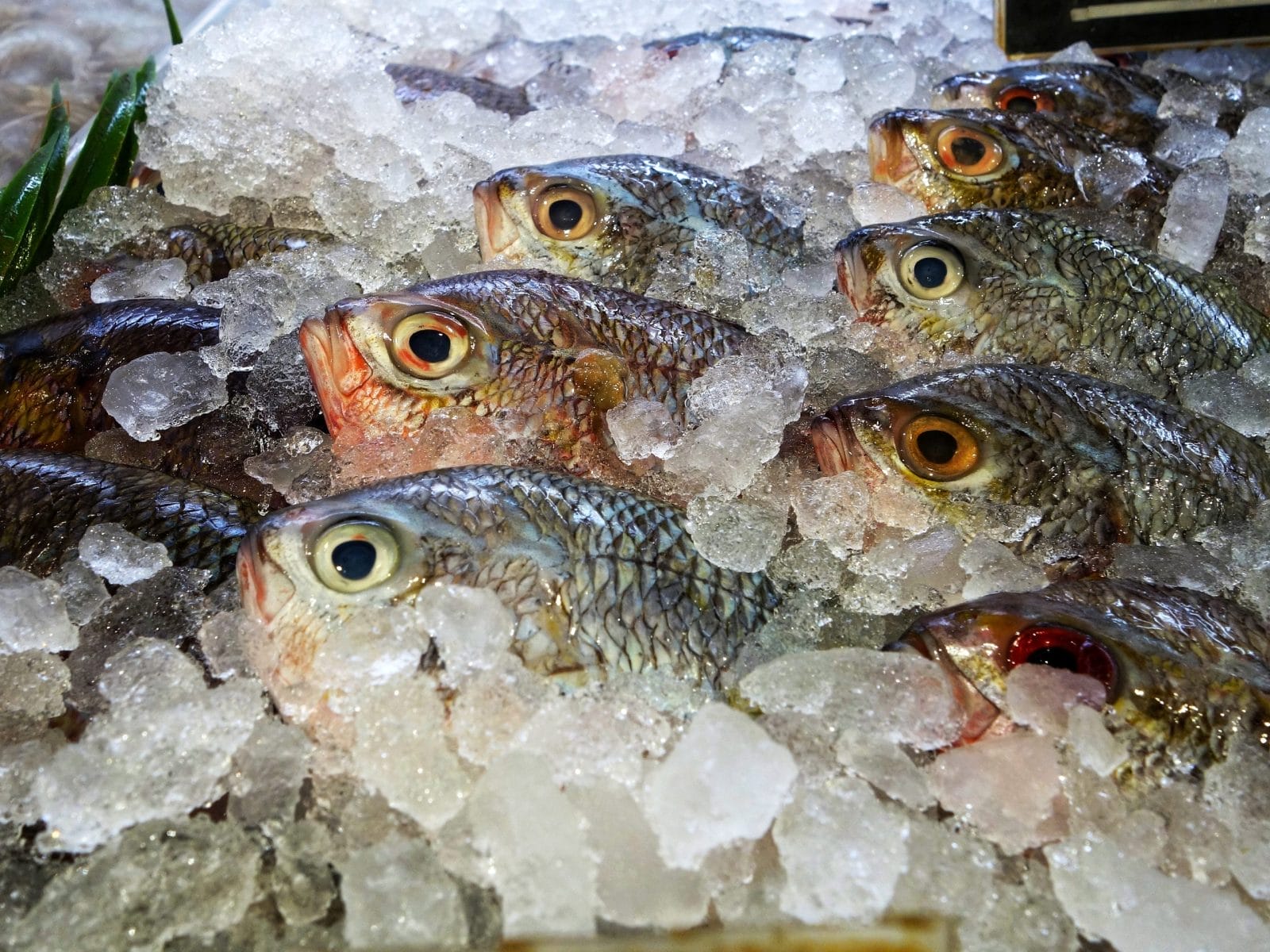
A recent study of data from the US Environmental Protection Agency has found that fish caught in the fresh waters of the nation’s streams, rivers and the Great Lakes contain dangerously high levels of PFOS, a synthetic toxin.
PFOS is part of a family of manufactured additives known as perfluoroalkyl and polyfluoroalkyl substances, or PFAS, widely used since the 1950s to make consumer products nonstick and resistant to stains, water, and grease damage. These chemicals, known as “forever chemicals” because they fail to break down easily in the environment, have been found to leach into the nation’s drinking water via public water systems and private wells. Experts say that the chemicals then accumulate in the bodies of fish, shellfish, livestock, dairy, and game animals that people eat.
“The levels of PFOS found in freshwater fish often exceeded an astounding 8,000 parts per trillion,” said study coauthor David Andrews, a senior scientist at Environmental Working Group. This nonprofit environmental health organization analyzed the data. The EPA has allowed only 70 parts per trillion PFOS in the nation’s drinking water. Due to growing health concerns, in 2022, the EPA recommended the allowable level of PFOS in drinking water be lowered from 70 to 0.02 parts per trillion.
Chemicals in the PFAS family are linked to high cholesterol, cancer, and various chronic diseases, as well as a limited antibody response to vaccines in both adults and children, according to a report by the National Academies of Sciences, Engineering, and Medicine.
“To find this level of contamination in fish across the country, even in areas not close to an industry where you might expect heavy contamination, is very concerning. These chemicals are everywhere,” said toxicologist Linda Birnbaum, former director of the National Institute for Environmental Health Sciences and the National Toxicology Program.
It’s nearly impossible to avoid PFAS, experts say. Manufacturers add chemicals to thousands of products, including nonstick cookware, mobile phones, carpeting, clothing, makeup, furniture, and food packaging. A 2020 investigation found PFAS in the wrapping of many fast foods and “environmentally friendly” molded fiber bowls and containers. A 2021 study found PFAS in 52 percent of tested cosmetics, with the highest in waterproof mascara, foundations, and long-lasting lipsticks.
The fact that PFAS chemicals have been found in the blood serum of 98 percent of Americans, according to a 2019 report using data from the US Centers for Disease Control and Prevention’s National Health and Nutrition Examination Survey, highlights just how ubiquitous these chemicals are in our environment.
It’s clear that these dangerous chemicals are everywhere, and it’s concerning to think about their impact on our health and the environment. We must reduce our exposure to these chemicals and advocate for stricter regulations on their use. Let’s work together to reduce our exposure to these harmful chemicals and protect our health and the environment.

Solution Not Pollution T-Shirt by Tiny Rescue: Climate Collection
Being publicly-funded gives us a greater chance to continue providing you with high-quality content.Click here to Support Us
Related Content:
- New Lawsuit Targets Toxic PFAS, or Forever Chemicals, in Plastic Food Containers
- California is Suing 3M, DuPont and other Companies Over Toxic Forever Chemicals
- Petition: Demand These Companies Remove ‘Forever Chemicals’ From Period Products
- Scrapyard Owned by Famous Gotti Family Sued For Releasing Dangerous Chemicals
- Sunscreens: Toxic Chemicals to Look For and Safer Alternatives
Easy Ways to Help the Planet:
- Eat Less Meat: Download Food Monster, the largest plant-based Recipe app on the App Store, to help reduce your environmental footprint, save animals and get healthy. You can also buy a hard or soft copy of our favorite vegan cookbooks.
- Reduce Your Fast Fashion Footprint: Take initiative by standing up against fast fashion Pollution and supporting sustainable and circular brands like Tiny Rescue that raise awareness around important issues through recycled zero-waste clothing designed to be returned and remade over and over again.
- Support Independent Media: Being publicly funded gives us a greater chance to continue providing you with high-quality content. Please consider supporting us by donating!
- Sign a Petition: Your voice matters! Help turn petitions into victories by signing the latest list of must-sign petitions to help people, animals, and the planet.
- Stay Informed: Keep up with the latest news and important stories involving animals, the environment, sustainable living, food, health, and human interest topics by subscribing to our newsletter!
- Do What You Can: Reduce waste, plant trees, eat local, travel responsibly, reuse stuff, say no to single-use plastics, recycle, vote smart, switch to cold water laundry, divest from fossil fuels, save water, shop wisely, Donate if you can, grow your food, volunteer, conserve energy, compost, and don’t forget about the microplastics and microbeads lurking in common household and personal care products!
Discover Our Latest Posts










Sign Up
Newsletter
Get your favorite articles delivered right to your inbox! Sign up for daily news from OneGreenPlanet.
Support
Keep One Green Planet independent — chip in what you can, or become a member and get ad-free browsing, a voice in our community, and the good feeling of fueling a sustainable, healthier, and kinder world.





Comments: