
Vegan Recipe App
T-Shirts for Activists
Newsletter
Become a Member
Partner with us
Cookbooks
Petitions
Product Features
Adopt-a-Pet
Get thousands of vegan, allergy-friendly recipes in the palm of your hands today!
X
Get your favorite articles delivered right to your inbox!
X
2.4K Views
3 years ago
The Surprisingly Crucial Step to Recycle Plastic Bottles Correctly
For brands
Want to reach our audience?
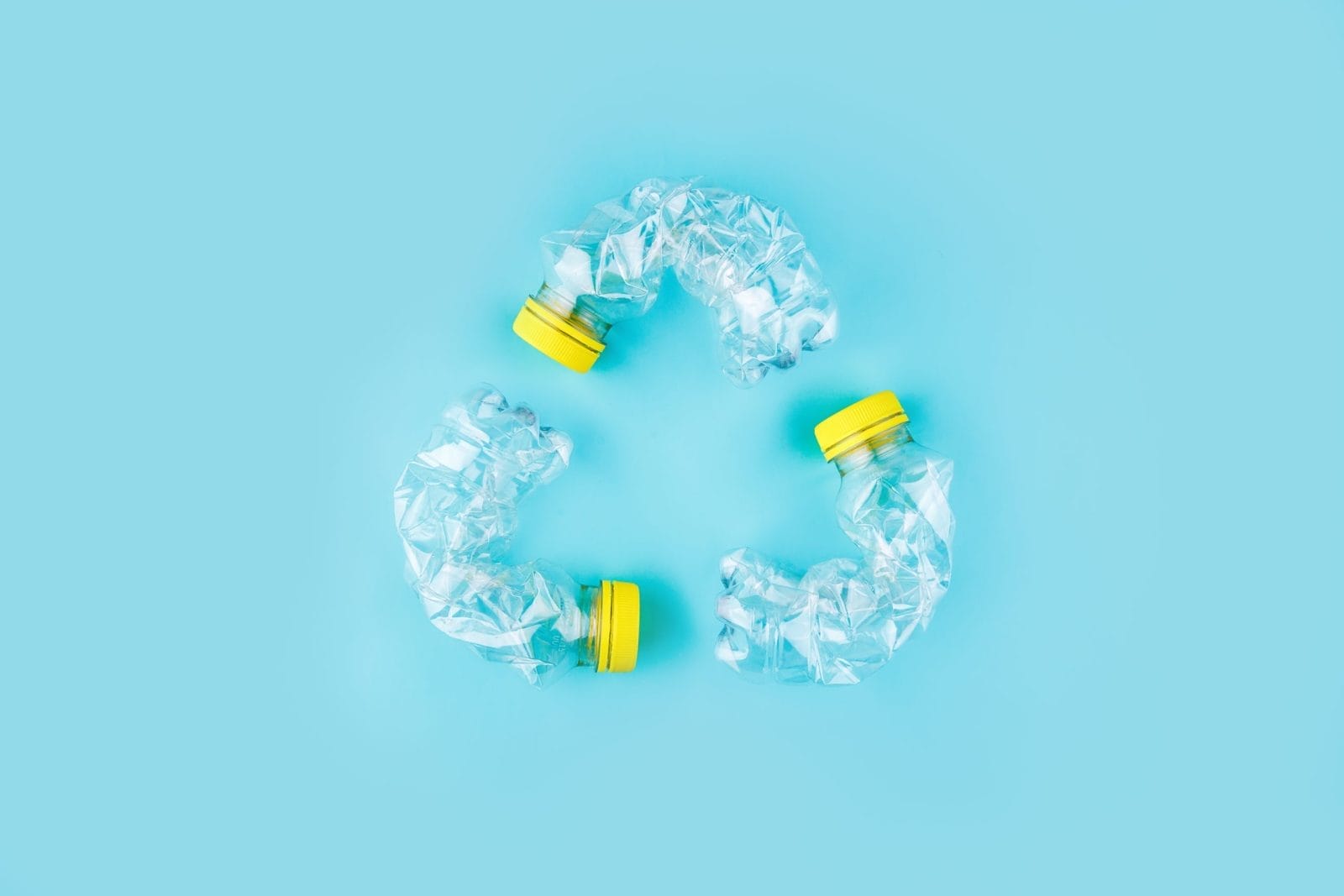
Many of us are passionate about reducing waste and recycling, but did you know that a seemingly small detail could make a difference when recycling plastic water bottles? The surprising fact is, when recycling, keeping the bottle cap on is recommended!
Source: TFC Recycling/Youtube
It was a common practice to remove bottle caps before recycling, as they are made from different types of plastic. However, as Jeremy Walters from Republic Services, one of America’s largest waste management companies, highlights, recycling technologies have evolved. The demand for recyclable material has surged, meaning you should keep those caps on your bottles before they hit the recycling bin.
Now, you might wonder why? Nancy Lawson, co-owner of Curbside Management, explained that smaller loose items like bottle caps can get misplaced or mistaken for trash in recycling centers. Keeping them on the bottle ensures they’re recycled correctly. Furthermore, it prevents them from becoming potential litter hazards to wildlife.
However, there’s a catch! Recycling practices vary by region, so it’s essential to check with your local recycling centers about their procedures. That being said, a universal rule is to ensure your bottles are emptied before recycling. Leftover liquid can contaminate other recyclable materials, rendering them unrecyclable.
In addition to improving recycling processes, bottle cap design could also play a pivotal role. President of Beyond Plastics, Judith Enck, applauds steps like Coca-Cola’s introduction of tethered caps in the UK. Such design improvements could help reduce the pressure on consumers to remember the crucial recycling step.
However, the journey continues. Confusion around recycling is common, largely due to misleading environmental labels. Symbols indicating recyclability don’t always mean the product can be recycled in your area. A 2022 report by Beyond Plastics and The Last Beach Cleanup showed that only 5%–6% of the plastic waste generated by the U.S. in 2021 was recycled.
While we wait for systemic change, we must do our part. Remember to confirm local recycling practices, keep those bottle caps on, and, where possible, avoid single-use plastics. So, let’s commit to making these small yet significant changes in our recycling habits. It’s one step closer to a sustainable future!

Planet B Not Found Tee by Tiny Rescue: Climate Collection
Being publicly-funded gives us a greater chance to continue providing you with high-quality content.Click here to Support Us
Related Content:
- Recycled Plastic ‘Poop’ Sculpture Highlights Ocean Pollution Crisis
- Recycling Actually Releases Loads of Microplastics, Study Finds
- Trash Planet’s Vegan Footwear Made from Apple Leather and Recycled Materials
- The Dark Side of Recycled Plastic: Is Your Bag Really Eco-Friendly?
- Recycle Dat: New Orleans’ Solution to Cleaning Up Mardi Gras Waste
Easy Ways to Help the Planet:
- Eat Less Meat: Download Food Monster, the largest plant-based Recipe app on the App Store, to help reduce your environmental footprint, save animals and get healthy. You can also buy a hard or soft copy of our favorite vegan cookbooks.
- Reduce Your Fast Fashion Footprint: Take initiative by standing up against fast fashion Pollution and supporting sustainable and circular brands like Tiny Rescue that raise awareness around important issues through recycled zero-waste clothing designed to be returned and remade over and over again.
- Support Independent Media: Being publicly funded gives us a greater chance to continue providing you with high-quality content. Please consider supporting us by donating!
- Sign a Petition: Your voice matters! Help turn petitions into victories by signing the latest list of must-sign petitions to help people, animals, and the planet.
- Stay Informed: Keep up with the latest news and important stories involving animals, the environment, sustainable living, food, health, and human interest topics by subscribing to our newsletter!
- Do What You Can: Reduce waste, plant trees, eat local, travel responsibly, reuse stuff, say no to single-use plastics, recycle, vote smart, switch to cold water laundry, divest from fossil fuels, save water, shop wisely, Donate if you can, grow your food, volunteer, conserve energy, compost, and don’t forget about the microplastics and microbeads lurking in common household and personal care products!
Discover Our Latest Posts









Sign Up
Newsletter
Get your favorite articles delivered right to your inbox! Sign up for daily news from OneGreenPlanet.
Support
Keep One Green Planet independent — chip in what you can, or become a member and get ad-free browsing, a voice in our community, and the good feeling of fueling a sustainable, healthier, and kinder world.





Comments: