
Vegan Recipe App
T-Shirts for Activists
Newsletter
Become a Member
Partner with us
Cookbooks
Petitions
Product Features
Adopt-a-Pet
Get thousands of vegan, allergy-friendly recipes in the palm of your hands today!
X
Get your favorite articles delivered right to your inbox!
X
1.8K Views
2 years ago
Congress Seeks to Curb Fast Fashion’s Environmental Impact
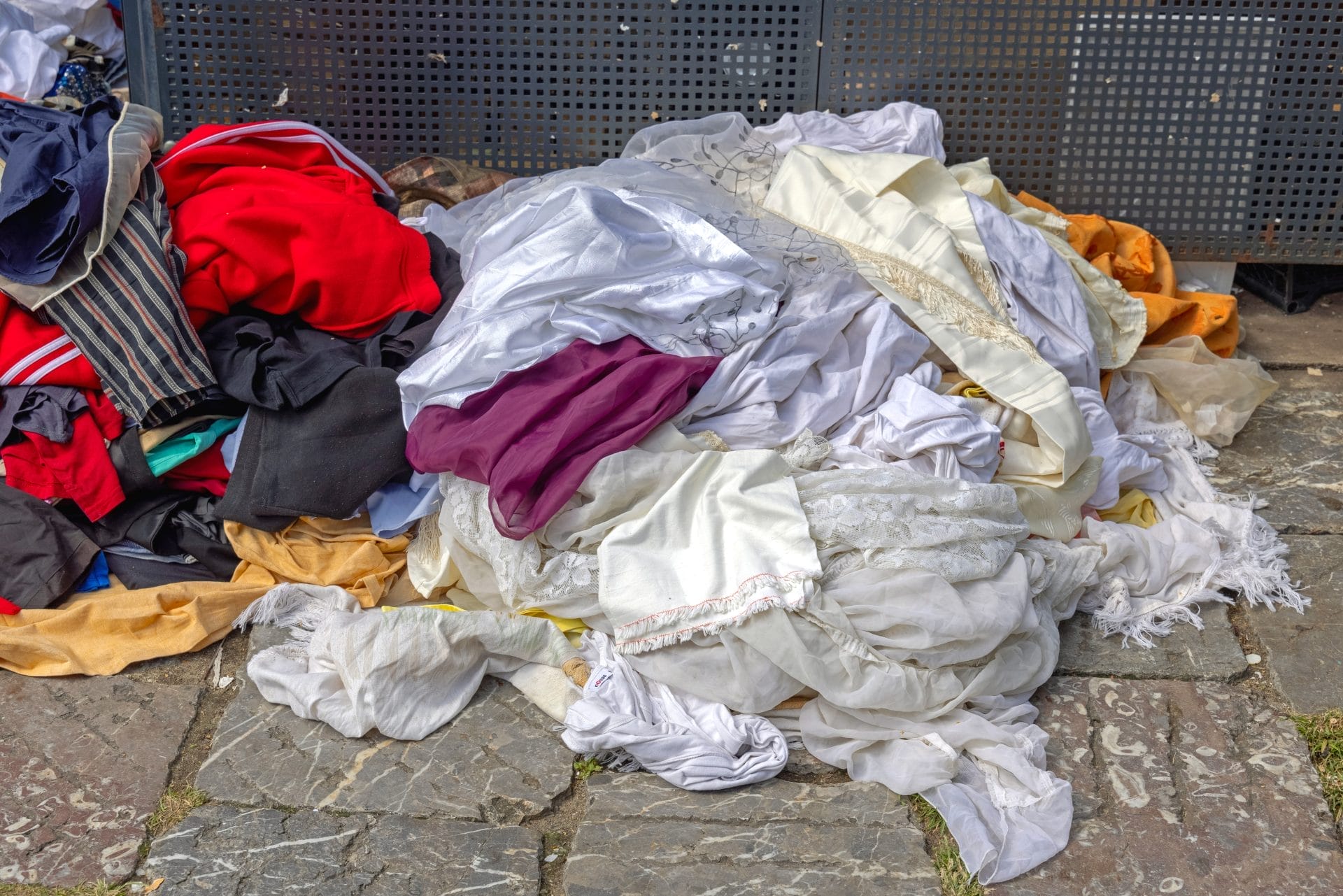
Image Credit: Baloncici/Shutterstock
For brands
Want to reach our audience?
In an era where cheap, disposable clothing has become the norm, the environmental, health, and human rights concerns associated with fast fashion are increasingly pressing. A recent House report highlights that 30% of packages shipped to the U.S. under the de minimis provision, which exempts items valued under $800 from import tariffs, are likely from fast fashion giants like Shein and Temu.
Source: Climate Town/YouTube
The allure of inexpensive Apparel from online retailers and brands like Forever 21, Brandy Melville, and Zara is undeniable. However, the environmental toll of such consumption is significant. Fast fashion contributes to pollution, and waste, and often involves unethical labor practices. Despite the growing awareness of these issues, legislative action in the U.S. has lagged behind European counterparts, where countries like France have enacted laws to foster sustainable practices in the fashion industry.
In response, the U.S. Congress is beginning to take steps toward sustainability. The Slow Fashion Caucus, led by Representative Chellie Pingree (D-Maine) and supported by companies like Patagonia and ThredUp, aims to promote long-lasting and environmentally friendly clothing choices. This initiative seeks to connect fashion with broader environmental policies, encouraging consumers to consider the lifecycle of their garments.
Pingree emphasizes the need for a shift in perception, noting that while many Americans are proactive about using sustainable products like reusable straws or solar power, they often overlook the synthetic materials in their clothing. These materials can end up as microplastic pollution in oceans or as methane-producing waste in landfills.
The push for slow fashion involves embracing sustainable agriculture for natural fibers like cotton and hemp, supporting the reuse and repair of garments, and promoting thrifting. The movement also involves challenging companies to disclose the origins and disposal methods of their garments, aiming to create a circular economy where producers are responsible for the environmental impact of their products.
With growing interest in thrifting and sustainable fashion, there is hope that legislative and consumer shifts can reduce the reliance on fast fashion. This change is essential not just for environmental health but also for promoting fair labor practices and reducing waste. The Slow Fashion Caucus represents a significant step toward integrating sustainability into the fashion industry, aligning consumer habits with environmental stewardship.

There’s Only One Green Planet Tee by Tiny Rescue: Climate Collection
Being publicly-funded gives us a greater chance to continue providing you with high-quality content.Click here to Support Us
Related Content:
- LA Project is Swapping Clothes to Combat Fast Fashion and Save the Planet
- The Hidden Impact of Fast Fashion
- 8 Zero-Waste Circular Brands Saving The Planet From Fast Fashion Pollution
- How Fast Fashion Has Changed The Way We Think About Clothes
- How the Fast Fashion Industry Destroys the Environment
Easy Ways to Help the Planet:
- Eat Less Meat: Download Food Monster, the largest plant-based Recipe app on the App Store, to help reduce your environmental footprint, save animals and get healthy. You can also buy a hard or soft copy of our favorite vegan cookbooks.
- Adopt-a-Pet: Visit WildWatchers, a watchdog platform specifically designed for animal, earth, and wildlife warriors to actively give back, rescue, and protect animals and the planet.
- Reduce Your Fast Fashion Footprint: Take initiative by standing up against fast fashion Pollution and supporting sustainable and circular brands like Tiny Rescue that raise awareness around important issues through recycled zero-waste clothing designed to be returned and remade repeatedly.
- Support Independent Media: Being publicly funded gives us a greater chance to continue providing high-quality content. Please consider supporting us by donating!
- Sign a Petition: Your voice matters! Help turn petitions into victories by signing the latest list of must-sign petitions to help people, animals, and the planet.
- Stay Informed: Keep up with the latest news and important stories involving animals, the environment, sustainable living, food, health, and human interest topics by subscribing to our newsletter!
- Do What You Can: Reduce waste, plant trees, eat local, travel responsibly, reuse stuff, say no to single-use plastics, recycle, vote smart, switch to cold water laundry, divest from fossil fuels, save water, shop wisely, Donate if you can, grow your food, volunteer, conserve energy, compost, and don’t forget about the microplastics and microbeads lurking in common household and personal care products!
Discover Our Latest Posts








Sign Up
Newsletter
Get your favorite articles delivered right to your inbox! Sign up for daily news from OneGreenPlanet.
Support
Keep One Green Planet independent — chip in what you can, or become a member and get ad-free browsing, a voice in our community, and the good feeling of fueling a sustainable, healthier, and kinder world.




Comments: