
Vegan Recipe App
T-Shirts for Activists
Newsletter
Become a Member
Partner with us
Cookbooks
Petitions
Product Features
Adopt-a-Pet
Get thousands of vegan, allergy-friendly recipes in the palm of your hands today!
X
Get your favorite articles delivered right to your inbox!
X
2.2K Views
3 years ago
Communities of Color Disproportionately Exposed to ‘Forever Chemicals’ in Drinking Water, New Study Finds
For brands
Want to reach our audience?
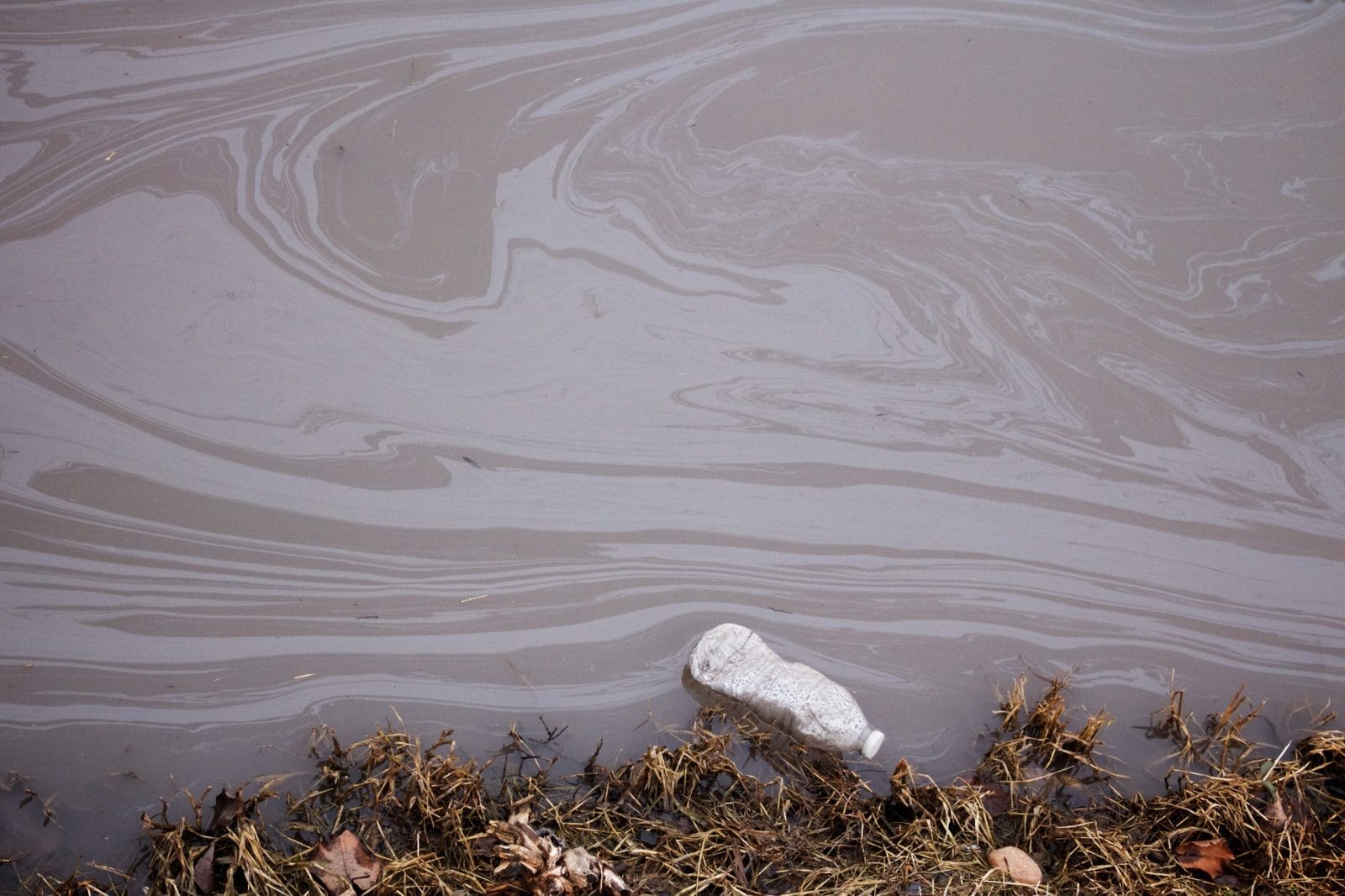
Here’s a reality check: the water you’re sipping on might not be as clean as you think. A new study has found that communities with larger Black and Hispanic populations face a higher risk of exposure to hazardous ‘forever chemicals‘ in their drinking water.
Source: PBS NewsHour/Youtube
Published in Environmental Science & Technology, the study unraveled that the increased exposure risk results from the unequal placement of Pollution sources close to watersheds catering to these communities. Talk about an unfair deal!
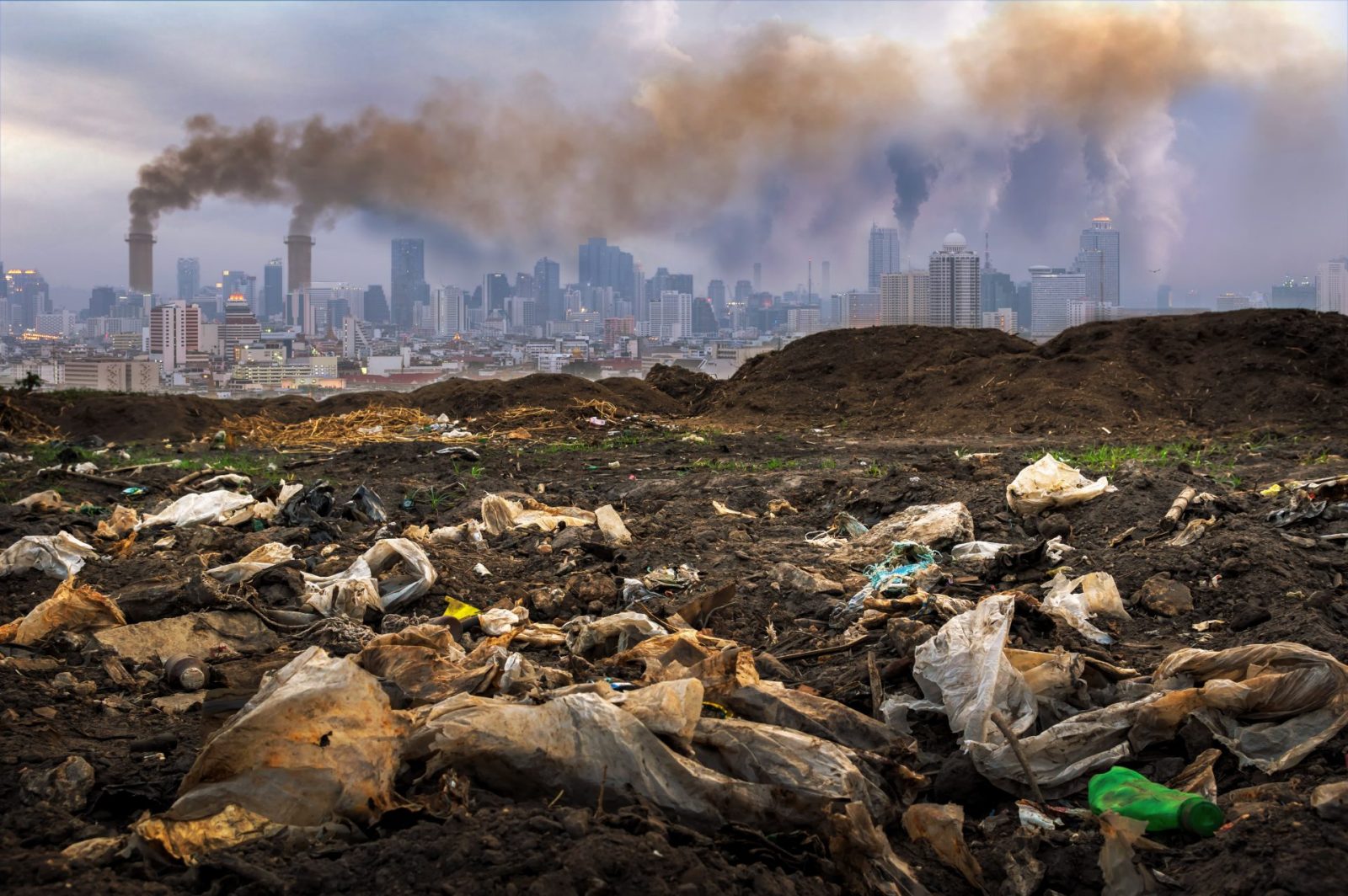
Industrial manufacturers, airports, military bases, wastewater treatment plants, and landfills are often the culprits, discharging per- and poly-fluoroalkyl substances (PFAS).
Jahred Liddie, a Ph.D. student at the Harvard Chan School of Public Health and the study’s first author, highlighted that marginalized communities, often burdened by racism and poverty, face higher exposure to PFAS. Stressing the importance of Environmental justice, he argued that it should be a central consideration in future regulations for PFAS in drinking water.
But what makes these PFAS, or ‘forever chemicals,’ so bad? They’re known for their resilience, persisting in both the environment and our bodies. Moreover, they’ve been connected to various illnesses, including cancer. Scary.
The Harvard team gathered data from 7,873 community water systems across 18 states, examining over 44,000 samples collected between January 2016 and August 2022. They found that the detection of PFAS had a direct relationship with the number of PFAS sources and the racial demographics served by the water system.
Moreover, each additional polluting site in a community’s watershed was associated with significant increases in notorious PFAS types, PFOA, and PFOS levels.
Elsie Sunderland, a Harvard professor of environmental chemistry and the study’s senior author, expressed concern about these findings. She emphasized that these marginalized populations are more susceptible to health risks, making the need for effective regulation and access to safe drinking water even more vital in these vulnerable communities.
Now, here’s where we all come in. Let’s use this information as fuel to spark change. Raise awareness, engage with your local policymakers, and insist on stricter regulations for water pollution. We can all play a part in ensuring access to clean and safe water for everyone. After all, isn’t that what Environmental justice is all about?

Planet B Not Found Tee by Tiny Rescue: Climate Collection
Being publicly-funded gives us a greater chance to continue providing you with high-quality content.Click here to Support Us
Related Content:
- Soft Contact Lenses May Contain Forever Chemicals, New Research Finds
- EPA Proposes First-Ever National Drinking Water Standard for Forever Chemicals
- Toxic ‘Forever Chemicals’ Found in Blood of Hundreds of Animal Species, New Study Says
- New Lawsuit Targets Toxic PFAS, or Forever Chemicals, in Plastic Food Containers
- California is Suing 3M, DuPont and other Companies Over Toxic Forever Chemicals
Easy Ways to Help the Planet:
- Eat Less Meat: Download Food Monster, the largest plant-based Recipe app on the App Store, to help reduce your environmental footprint, save animals and get healthy. You can also buy a hard or soft copy of our favorite vegan cookbooks.
- Reduce Your Fast Fashion Footprint: Take initiative by standing up against fast fashion Pollution and supporting sustainable and circular brands like Tiny Rescue that raise awareness around important issues through recycled zero-waste clothing designed to be returned and remade over and over again.
- Support Independent Media: Being publicly funded gives us a greater chance to continue providing you with high-quality content. Please consider supporting us by donating!
- Sign a Petition: Your voice matters! Help turn petitions into victories by signing the latest list of must-sign petitions to help people, animals, and the planet.
- Stay Informed: Keep up with the latest news and important stories involving animals, the environment, sustainable living, food, health, and human interest topics by subscribing to our newsletter!
- Do What You Can: Reduce waste, plant trees, eat local, travel responsibly, reuse stuff, say no to single-use plastics, recycle, vote smart, switch to cold water laundry, divest from fossil fuels, save water, shop wisely, Donate if you can, grow your food, volunteer, conserve energy, compost, and don’t forget about the microplastics and microbeads lurking in common household and personal care products!
Discover Our Latest Posts









Sign Up
Newsletter
Get your favorite articles delivered right to your inbox! Sign up for daily news from OneGreenPlanet.
Support
Keep One Green Planet independent — chip in what you can, or become a member and get ad-free browsing, a voice in our community, and the good feeling of fueling a sustainable, healthier, and kinder world.





Comments: