
Vegan Recipe App
T-Shirts for Activists
Newsletter
Become a Member
Partner with us
Cookbooks
Petitions
Product Features
Adopt-a-Pet
Get thousands of vegan, allergy-friendly recipes in the palm of your hands today!
X
Get your favorite articles delivered right to your inbox!
X
1.7K Views
2 years ago
Climate Change Challenges for Ape Sanctuaries in Africa
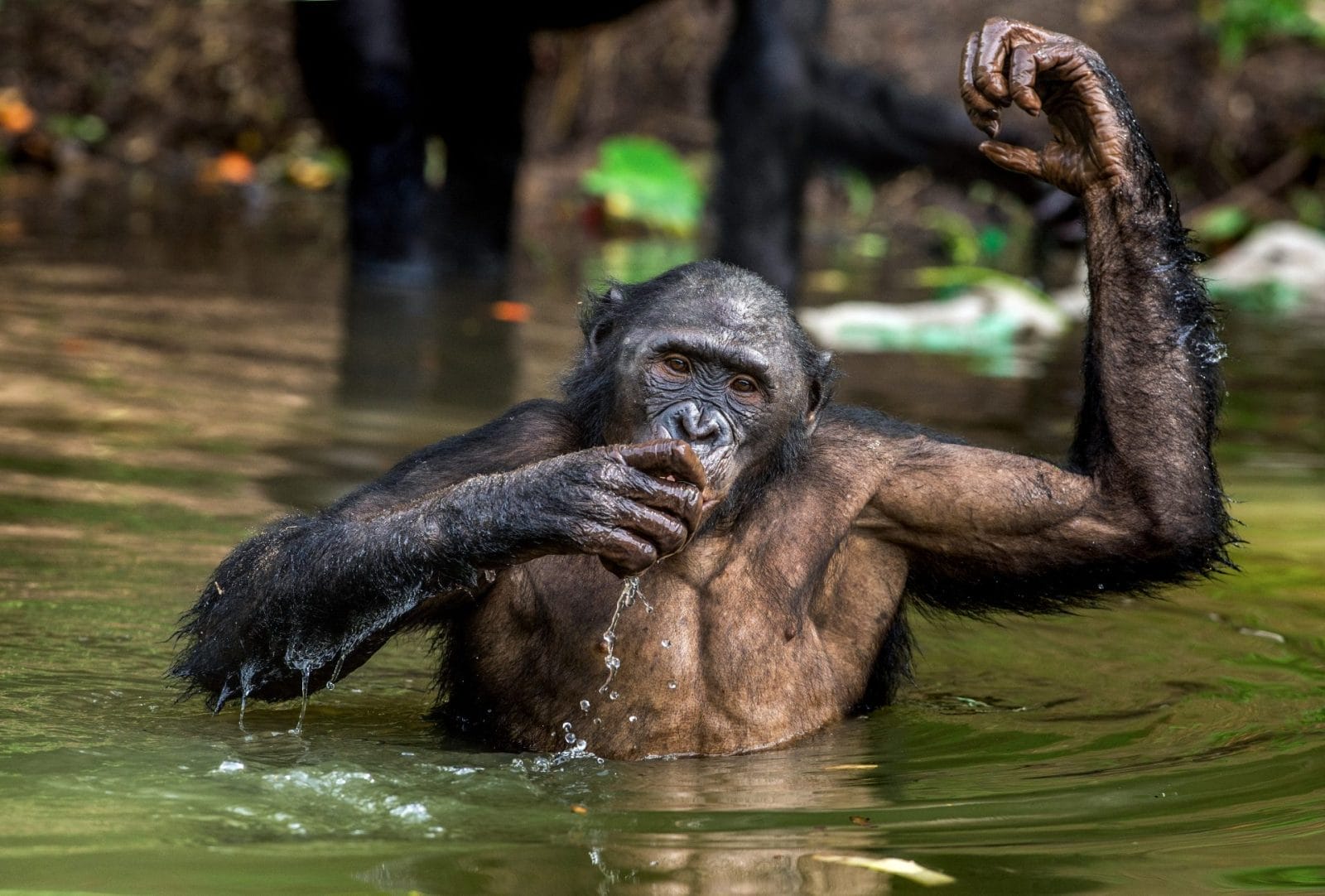
Image Credit: Sergey Uryadnikov/Shutterstock
For brands
Want to reach our audience?
New research highlights how Climate change affects wild apes, and the sanctuaries caring for them are also feeling the impacts of a warming world. Across Africa, changing weather patterns, including both droughts and floods, are creating significant challenges for ape sanctuaries.
In April 2024, above-average rainfall caused Kenya’s Ewaso Nyiro River to overflow, flooding the Sweetwaters Chimpanzee Sanctuary and affecting over two dozen rescued chimpanzees. This flooding damaged fences and restricted the chimps’ access to larger enclosures, increasing the risk of physical conflicts and disease outbreaks. Staff also struggled to access damaged areas, and transporting food and supplies became more difficult.
Extreme weather events like these are becoming more common. Dr. Stephen Ngulu, manager at Sweetwaters, highlights how unprecedented rainfall has caused severe infrastructure damage and limited resources. Similarly, in Uganda, heavy rains have flooded the Ngamba Island Chimpanzee Sanctuary, forcing visitor facilities to close and affecting income for both the sanctuary and wild chimpanzee Conservation efforts.
In Zambia, drought rather than flooding is the primary concern. The Chimfunshi Wildlife Orphanage Trust is grappling with food and water shortages, making it difficult to care for rescued chimpanzees. Drought conditions have also led to increased food prices, making it harder for the sanctuary to meet its needs. Peggy Motsch, the executive director, notes that local communities face hunger and poverty, sometimes leading to theft of materials, compromising both the sanctuary and chimpanzee safety.
The human impact is also significant. Sanctuary staff struggle to feed their families and maintain sanitary measures to prevent disease. Kaitlyn Bock, head of programs for the Pan African Sanctuary Alliance (PASA), emphasizes that water shortages make it challenging to prevent the transmission of diseases like cholera, affecting both the animals and the people caring for them.
Despite these challenges, sanctuaries are finding ways to adapt. Many are implementing Conservation programs to restore wild ape habitats and mitigate Climate change. For example, Sweetwaters has a tree-planting program, and the Lola ya Bonobo Sanctuary in the Democratic Republic of Congo manages a large protected area that serves as both a bonobo rewilding site and a climate-stabilizing carbon sink.

Earthlings For Life Tee by Tiny Rescue: Climate Collection
Being publicly-funded gives us a greater chance to continue providing you with high-quality content.Click here to Support Us
Related Content:
- Animal Sanctuary Looks for New Location Due to Climate Change
- Can US Cities Truly Serve as Climate Havens from Extreme Weather
- Australian Animal Sanctuary Ends Koala Cuddling Amid Animal Welfare Concerns
- Reddit Post Advocates for Animal Sanctuary
Easy Ways to Help the Planet:
- Eat Less Meat: Download Food Monster, the largest plant-based Recipe app on the App Store, to help reduce your environmental footprint, save animals and get healthy. You can also buy a hard or soft copy of our favorite vegan cookbooks.
- Adopt-a-Pet: Visit WildWatchers, a watchdog platform specifically designed for animal, earth, and wildlife warriors to actively give back, rescue, and protect animals and the planet.
- Reduce Your Fast Fashion Footprint: Take initiative by standing up against fast fashion Pollution and supporting sustainable and circular brands like Tiny Rescue that raise awareness around important issues through recycled zero-waste clothing designed to be returned and remade over and over again.
- Support Independent Media: Being publicly funded gives us a greater chance to continue providing you with high-quality content. Please consider supporting us by donating!
- Sign a Petition: Your voice matters! Help turn petitions into victories by signing the latest list of must-sign petitions to help people, animals, and the planet.
- Stay Informed: Keep up with the latest news and important stories involving animals, the environment, sustainable living, food, health, and human interest topics by subscribing to our newsletter!
- Do What You Can: Reduce waste, plant trees, eat local, travel responsibly, reuse stuff, say no to single-use plastics, recycle, vote smart, switch to cold water laundry, divest from fossil fuels, save water, shop wisely, Donate if you can, grow your food, volunteer, conserve energy, compost, and don’t forget about the microplastics and microbeads lurking in common household and personal care products!
Discover Our Latest Posts









Sign Up
Newsletter
Get your favorite articles delivered right to your inbox! Sign up for daily news from OneGreenPlanet.
Support
Keep One Green Planet independent — chip in what you can, or become a member and get ad-free browsing, a voice in our community, and the good feeling of fueling a sustainable, healthier, and kinder world.





Comments: