Nicholas Vincent is a passionate environmentalist and freelance writer. He is deeply committed to promoting...
Nicholas Vincent is a passionate environmentalist and freelance writer. He is deeply committed to promoting sustainability and finding solutions to the most pressing environmental challenges of our time. In his free time, Nicholas enjoys the great outdoors and can often be found exploring some of the most beautiful and remote locations around the world. Read more about Nicholas Vincent Read More
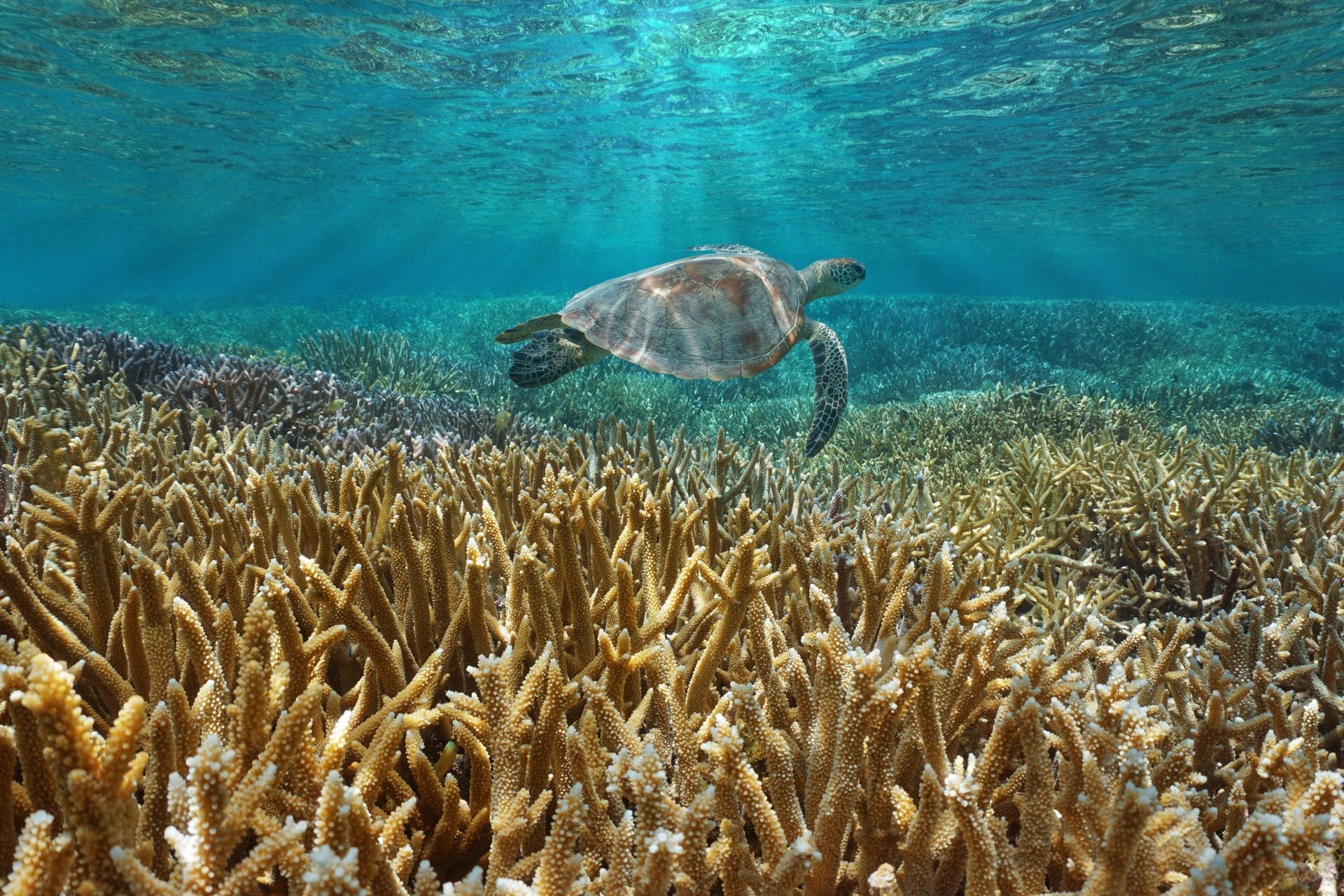
President Joe Biden’s initiative to dramatically expand the Pacific Remote Islands Marine National Monument into the world’s largest non-contiguous protected ocean area has come under scrutiny. A recent peer-reviewed study in Environmental justice points out significant oversight: the exclusion of Indigenous Pacific Islanders’ perspectives, particularly those of Micronesians and Samoans.
The proposed expansion aims to increase the protected area from nearly 500,000 square miles to about 770,000 square miles. This move would significantly advance the Biden administration’s ambitious goal to conserve 30% of U.S. land and waters by 2030. While this initiative seeks to enhance environmental protections by banning activities like deep-sea mining and adding layers of federal protection, it has sparked concerns about its inclusivity.
Authors Angelo Villagomez and Steven Manaʻoakamai Johnson argue that the expansion process has favored Native Hawaiian viewpoints, who Support the expansion but are not directly affected by it as it does not extend to the Hawaiian archipelago. In contrast, Micronesians and Samoans, who have historical and cultural ties to the impacted islands, feel sidelined, lacking equivalent political influence in the U.S.
The paper highlights the ongoing challenges of colonization and how they manifest in environmental policy-making, where the voices of some Indigenous groups are prioritized over others. This imbalance is evident in the official advisory group for the monument, which includes a Native Hawaiian representative but lacks equivalent roles for other Indigenous groups.
Furthermore, the narrative surrounding the cultural significance of the islands often omits the sacrifices of Indigenous Chamorros during World War II and the broader Micronesian context, focusing instead on Native Hawaiian history.
The National Oceanic and Atmospheric Administration (NOAA) is expected to release a draft plan for the sanctuary later this year and will open it for public comment, offering a potential avenue for more inclusive dialogue. Advocacy groups have stressed the importance of co-management and equitable recognition in the planning process.
The situation underscores a broader issue within U.S. Conservation efforts—while aiming for environmental protection, the strategies employed can inadvertently perpetuate colonial legacies and inequality. The study calls for a reevaluation of how conservation goals are pursued, advocating for an approach that truly respects and integrates the rights and perspectives of all Indigenous peoples affected by such monumental decisions.
Eat Less Meat: Download Food Monster, the largest plant-based Recipe app on the App Store, to help reduce your environmental footprint, save animals and get healthy. You can also buy a hard or soft copy of our favorite vegan cookbooks.
Adopt-a-Pet: VisitWildWatchers, a watchdog platform specifically designed for animal, earth, and wildlife warriors to actively give back, rescue, and protect animals and the planet.
Reduce Your Fast Fashion Footprint: Take initiative by standing up against fast fashion Pollution and supporting sustainable and circular brands like Tiny Rescue that raise awareness around important issues through recycled zero-waste clothing designed to be returned and remade repeatedly.
Support Independent Media: Being publicly funded gives us a greater chance to continue providing high-quality content. Please consider supporting us by donating!
Sign a Petition: Your voice matters! Help turn petitions into victories by signing the latest list of must-sign petitions to help people, animals, and the planet.
Stay Informed: Keep up with the latest news and important stories involving animals, the environment, sustainable living, food, health, and human interest topics by subscribing to our newsletter!
Do What You Can: Reduce waste, plant trees, eat local, travel responsibly, reuse stuff, say no to single-use plastics, recycle, vote smart, switch to cold water laundry, divest from fossil fuels, save water, shop wisely, Donate if you can, grow your food, volunteer, conserve energy, compost, and don’t forget about the microplastics and microbeads lurking in common household and personal care products!
Get your favorite articles delivered right to your inbox! Sign up for daily news from OneGreenPlanet.
Support
Keep One Green Planet independent — chip in what you can, or become a member and get ad-free browsing, a voice in our community, and the good feeling of fueling a sustainable, healthier, and kinder world.













Comments: