
Vegan Recipe App
T-Shirts for Activists
Newsletter
Become a Member
Partner with us
Cookbooks
Petitions
Product Features
Adopt-a-Pet
Get thousands of vegan, allergy-friendly recipes in the palm of your hands today!
X
Get your favorite articles delivered right to your inbox!
X
1.6K Views
2 years ago
Amazon’s Recycling Claims Questioned in Recent Investigation
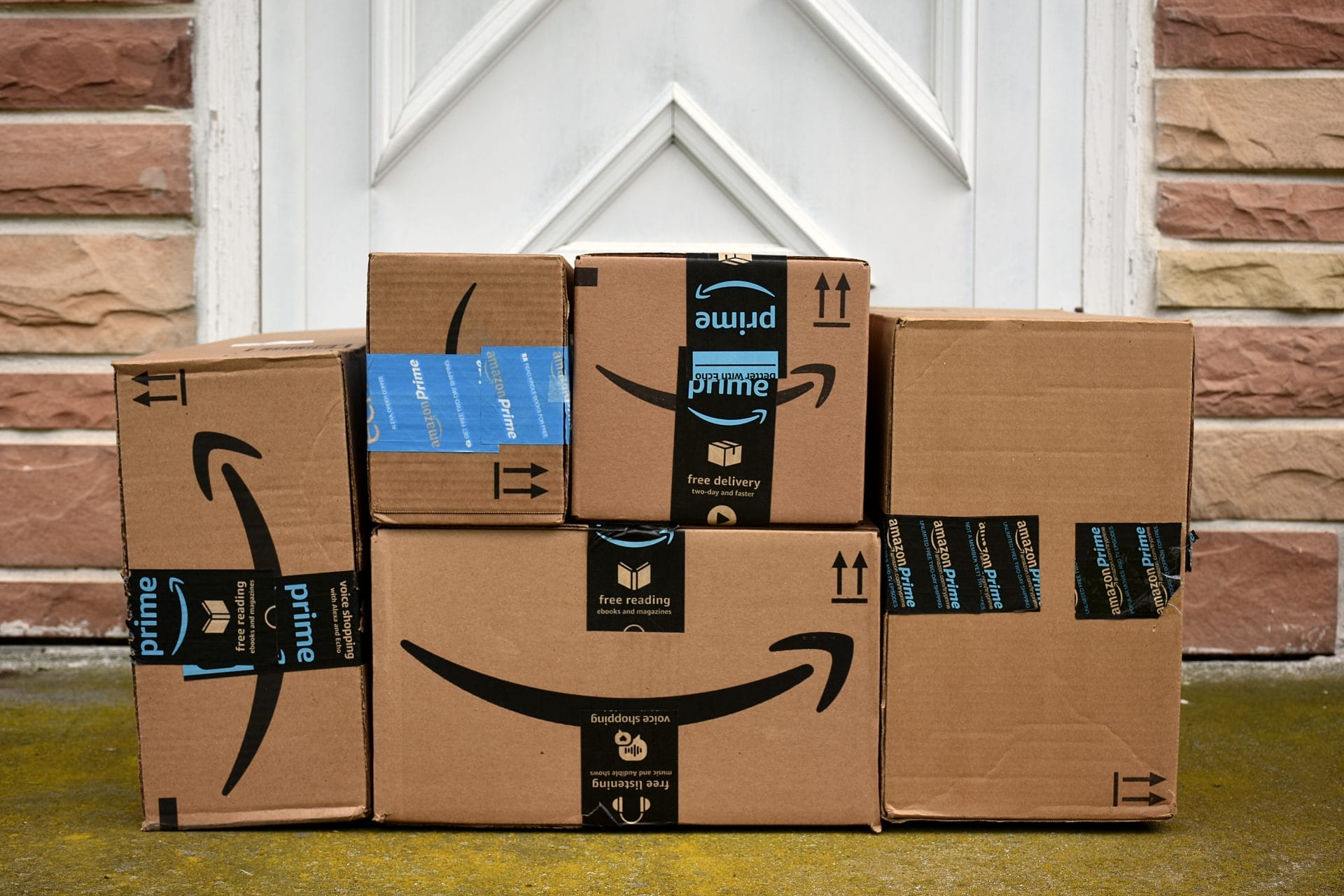
Image Credit: Julie Clopper/Shutterstock
For brands
Want to reach our audience?
Amazon’s familiar blue-and-white plastic bags are a common sight in homes across the country, often accompanied by the promise of recyclability. These packages, along with bubble-lined mailers and air pillows, bear the “chasing arrows” recycling symbol, directing consumers to drop them off at retail stores for recycling. This guidance comes amid challenges in processing these materials through regular curbside recycling programs. However, a recent investigation casts doubt on the effectiveness of this approach, suggesting that the majority of Amazon’s plastic packaging does not end up being recycled.
Source: CNBC/YouTube
Nonprofits Environment America and the U.S. Public Interest Research Group (U.S. PIRG) conducted the investigation, revealing a grim picture of the fate of these plastic materials. Despite the guidance for store drop-off, it appears that only a fraction of Amazon’s packaging reaches specialized recycling facilities. Instead, a significant portion is more likely to find its way to landfills, incinerators, or even abroad, where recycling infrastructure may be lacking.
To track the journey of Amazon’s packaging, the investigation employed small tracking devices, revealing that out of the tracked bundles, only a minimal number ended up at material recovery facilities capable of recycling them. Surprisingly, some facilities explicitly stated they do not accept Amazon packaging, while others focus solely on paper and cardboard, excluding plastic film altogether.
This investigation contributes to a growing skepticism about the efficiency of store drop-off programs in addressing the plastic pollution crisis. Critics argue that these programs allow manufacturers and retailers to deflect responsibility for the environmental impact of single-use plastics, offering a false sense of sustainability to consumers. The findings underscore the challenges in recycling plastic film and call into question the claims made by companies about the recyclability of their packaging.
As awareness grows, some companies have begun to reassess their use of the store drop-off label, with a few pledging to phase it out. Meanwhile, environmental advocates and regulatory bodies are pushing for more stringent measures to ensure that recyclable claims are substantiated and effective, emphasizing the need for a shift towards more sustainable packaging solutions.

There’s Only One Green Planet Tee by Tiny Rescue: Climate Collection
Being publicly-funded gives us a greater chance to continue providing you with high-quality content.Click here to Support Us
Related Content:
- A Revolutionary Recycling Method for Polyester Using Hartshorn Salt
- National Plastic Recycling Directory Shuts Down Amid Industry Challenges
- Table Salt is a Surprising Hero in Plastic Recycling
- Amazon Finally Highlights Climate Change Risks and Commits to Sustainability Goals
- 10 Shocking Products That Are Still Widely Sold on Amazon
Easy Ways to Help the Planet:
- Eat Less Meat: Download Food Monster, the largest plant-based Recipe app on the App Store, to help reduce your environmental footprint, save animals and get healthy. You can also buy a hard or soft copy of our favorite vegan cookbooks.
- Reduce Your Fast Fashion Footprint: Take initiative by standing up against fast fashion Pollution and supporting sustainable and circular brands like Tiny Rescue that raise awareness of important issues through recycled zero-waste clothing that is designed to be returned and remade repeatedly.
- Support Independent Media: Being publicly funded gives us a greater chance to continue providing you with high-quality content. Please consider supporting us by donating!
- Sign a Petition: Your voice matters! Help turn petitions into victories by signing the latest list of must-sign petitions to help people, animals, and the planet.
- Stay Informed: Keep up with the latest news and important stories involving animals, the environment, sustainable living, food, health, and human interest topics by subscribing to our newsletter!
- Do What You Can: Reduce waste, plant trees, eat local, travel responsibly, reuse stuff, say no to single-use plastics, recycle, vote smart, switch to cold water laundry, divest from fossil fuels, save water, shop wisely, Donate if you can, grow your food, volunteer, conserve energy, compost, and don’t forget about the microplastics and microbeads lurking in common household and personal care products!
Discover Our Latest Posts









Sign Up
Newsletter
Get your favorite articles delivered right to your inbox! Sign up for daily news from OneGreenPlanet.
Support
Keep One Green Planet independent — chip in what you can, or become a member and get ad-free browsing, a voice in our community, and the good feeling of fueling a sustainable, healthier, and kinder world.





Comments: