
Vegan Recipe App
T-Shirts for Activists
Newsletter
Ad-Free Browsing
Partner with us
Cookbooks
Petitions
Product Features
Adopt-a-Pet
Get thousands of vegan, allergy-friendly recipes in the palm of your hands today!
X
Get your favorite articles delivered right to your inbox!
X
5.3K Views
8 years ago
Tips and Tricks to Help Your Body Absorb More Nutrients from Your Plant-Based Diet


Audio By Carbonatix
So, you’ve started a plant-based diet. You’re avoiding processed foods. You’re integrating fresh and raw foods. This should be enough, right? Unfortunately, the truth is, even if you eat strictly unprocessed, nutritionally rich, plant-based foods, you probably still aren’t getting the nutrient value you think. While we can examine modern day technology and processing methods to unpack this nutrition mystery, the root of the problem goes back further, all the way to 1790 when our agricultural economy began to transition into an industrial one. Little did we know that, as the states transitioned from food production focused on quality and care to quantity, we were also beginning to strip and remove vital nutrients.
How the Industrial Revolution Changed Nutrition
marcin049/Pixabay
Mankind has a knack for creating new and creative ways of sustaining our societies as they have grown over thousands of years. From the Old Stone Age to the Neolithic Period, the Bronze Age to the Agricultural Revolution, each period brought its own advancements and changes. Yet, while these sections in our history focused on ways to collect and grow already supplemented foods, the Industrial Revolution sought to chemically alter foods on a massive scale.
The Beginning of the Industrial Revolution

hschmider/Pixabay
In 1790, a man named Samuel Slater opened the first industrial mill in the United States. This first industrial piece of machinery was used to increase the speed in which cotton was turned into yarn. From here, the industrial revolution began to rapidly progress with the implementation of factory systems — referring to work being “performed on a large scale in a single centralized location” — as well as new-fangled transportation systems that strived to quickly transport raw materials to factories and finished products to consumers. By 1840, with the help of the invention of the steamboat, transportation now incorporated a vast array of waterways.
With that said, researchers have discovered that nutritional health may have begun to decline with the Agricultural Revolution (large-scale farming) with records indicating “some populations declined in height and dental health.” While health decline may have started with the Agricultural Revolution, the Industrial Revolution aggravated the problem.
Introduction of Processed Foods

doornekamph/Pixabay
Nutritional changes began with the foods that primarily provide us energy, also referred to as macronutrients. With the modernization of the Industrial Revolution, “fiber-free fats and sugars [became] the source of 60 percent of calories,” refined wheat products, highly processed via industrial machines, became a popularly consumed commodity, the production of margarine and vegetable oils began, and “sugar imports and snacking increased in the Western World.”
One of the largest factors in health decline is attributed to the invention of trans fatty acids. These dangerous, hydrogenated oils are found naturally in “some meat and dairy products,” but are mostly man-made via “an industrial process that adds hydrogen to vegetable oil.” Trans fats are found in baked goods, various snack items, refrigerator dough, fried foods, creamers, and margarine. Over the years, researchers have learned that trans fats are “highly detrimental to cardiovascular health.”
Depletion of Soil Quality

6734180/Pixabay
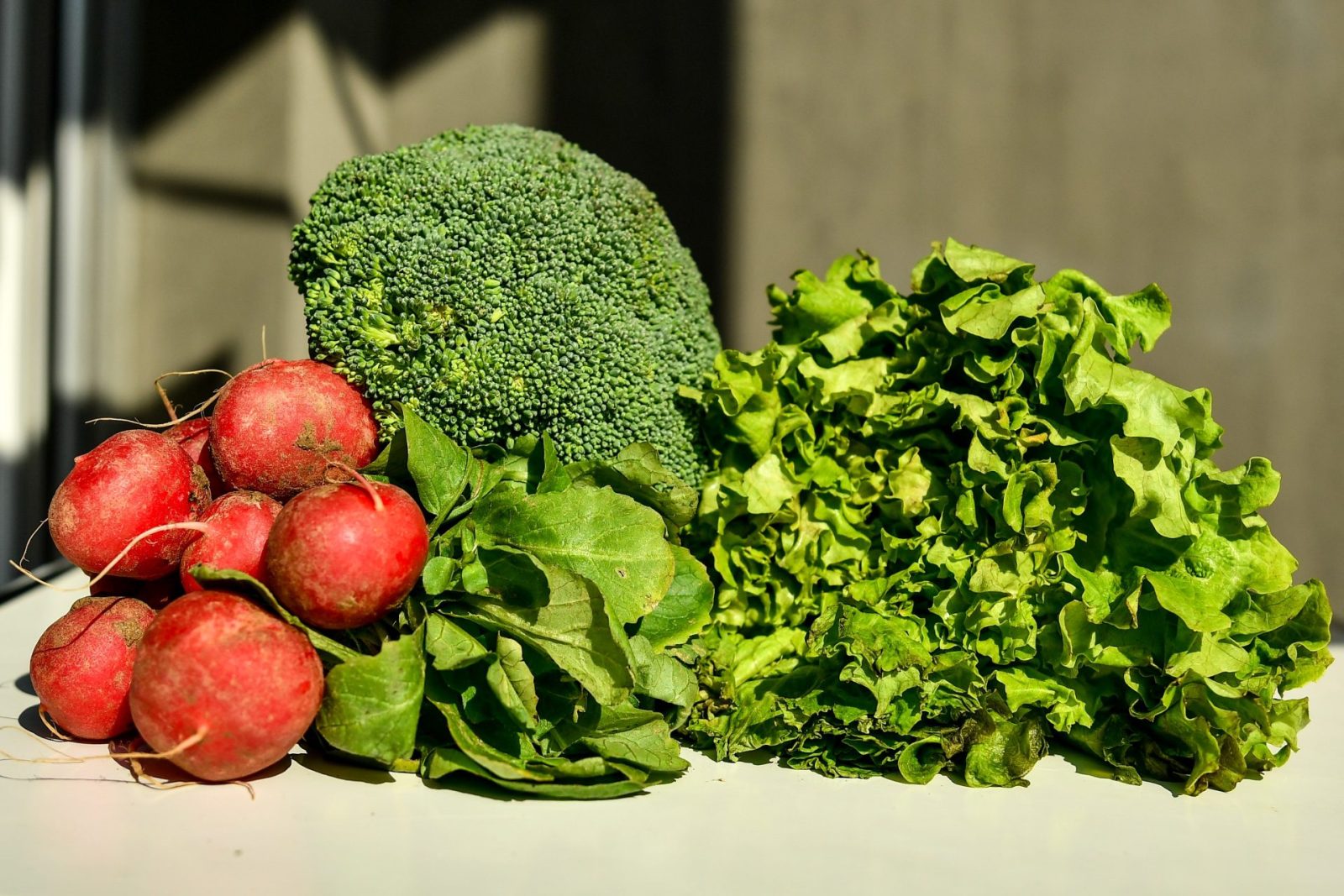
To add another layer to the nutrition-reduction mystery, we need to look at agriculture. During the Industrial Revolution, agriculture also began to grow leading to “modern intensive agricultural methods,” which began stripping nutrients directly from the soil. Unfortunately, instead of reversing the problem, each “successive generation of fast-growing, pest-resistant” vegetable crop loses just a little bit more of its nutrient value.
This nutritional decline was given girth via a study published in the Journal of the American College of Nutrition in 2004, in which “nutritional data from both 1950 and 1999 for 43 different vegetables and fruits” were found to have “reliable declines” in a variety of nutritional elements including “protein, calcium, phosphorous, iron, riboflavin (vitamin B2) and vitamin C over the past half-century.”
While the agricultural business has sought to improve size, growth rate, and pest resistance of our veggies, they have also been slowly stripping the nutrients.
Lifestyle Tips to Help Increase Nutrition Absorption

Pexels/Pixabay
The way in which the human body digests and absorbs nutrients is incredibly complex. It involves many different functions and organs to work cohesively, as well as help from enzymes, saliva, acid, bile, and even your own blood. So, why not do all you can to help this complex system out? While food plays an important part in the absorption process, lifestyle changes can also help increase the absorption of nutrition!
Eat Slower

StockSnap/Pixabay
Slow it down! The first step in the digestion process is chewing. The act of chewing food actually releases enzymes that are a crucial part of digestion. Purdue University published a study showing that “when people chewed almonds 40 times, they absorbed more healthy fat than when they chewed them just 10 times, making nutrients like vitamin E more accessible.”
Reduce Stress

ivanovgood/Pixabay
Have you ever noticed that when you get stressed out, you also sometimes experience unpleasant bowel symptoms as well? This is due to the fact that your body conserves energy from digestion to give you some help in dealing with the stress. Prioritize self-care! Focus on decreasing your anxiety and stress before meals, give yourself the appropriate space and time to cook meals, and make sure you sit down when you’re eating.
Boost Gut Health
qimono/Pixabay
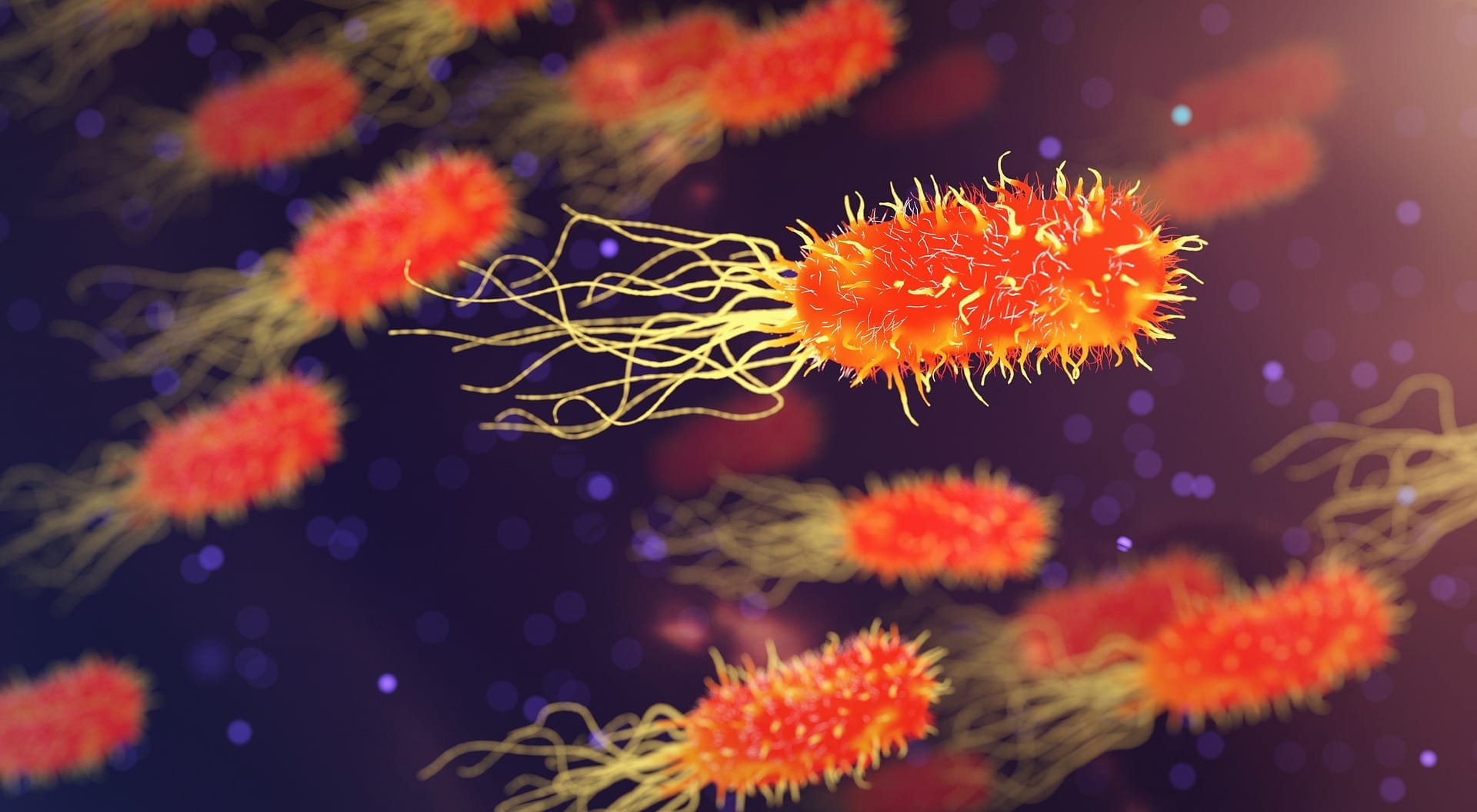
We return to the gut! Your gut is one of the primary nutrient absorption centers in the body, therefore it makes sense that you should care diligently to keep those bacteria happy, healthy, and plentiful. Per the journal Nutrition in Clinical Practice, “up to 30 percent of the protein and carbs you eat reach your colon undigested, where your gut bacteria break them down.” Increase gut health by consuming bacteria-loving food items, such as veggies high in dietary fiber and fermented foods, or you can even try a probiotic supplement, such as this organic, non-GMO, and vegan Ora Organic Probiotic Capsules.
Foods that Aid in Nutrition Absorption
Miso Braised Carrots and Leeks with Cilantro Cardamom Basmati/One Green Planet
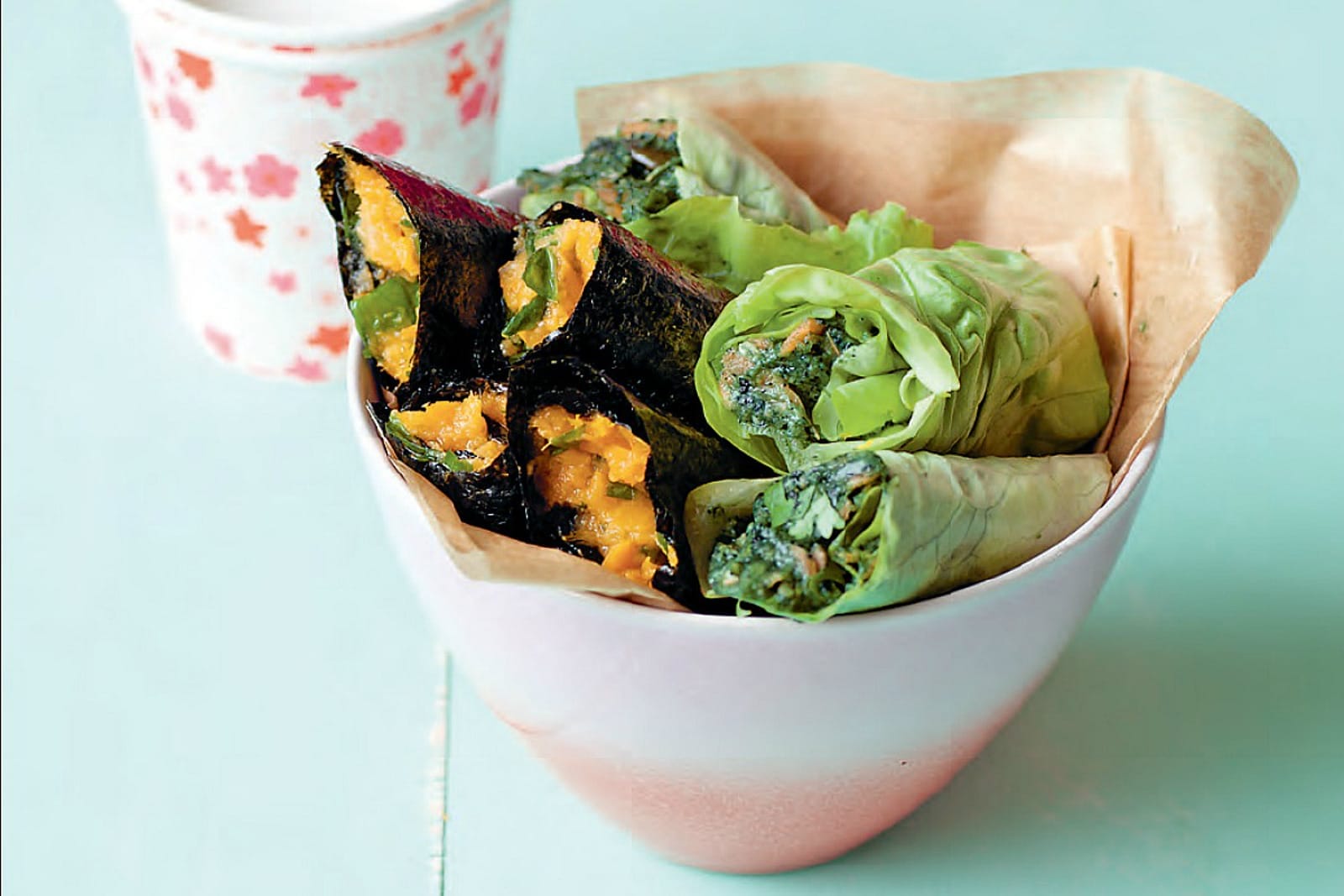
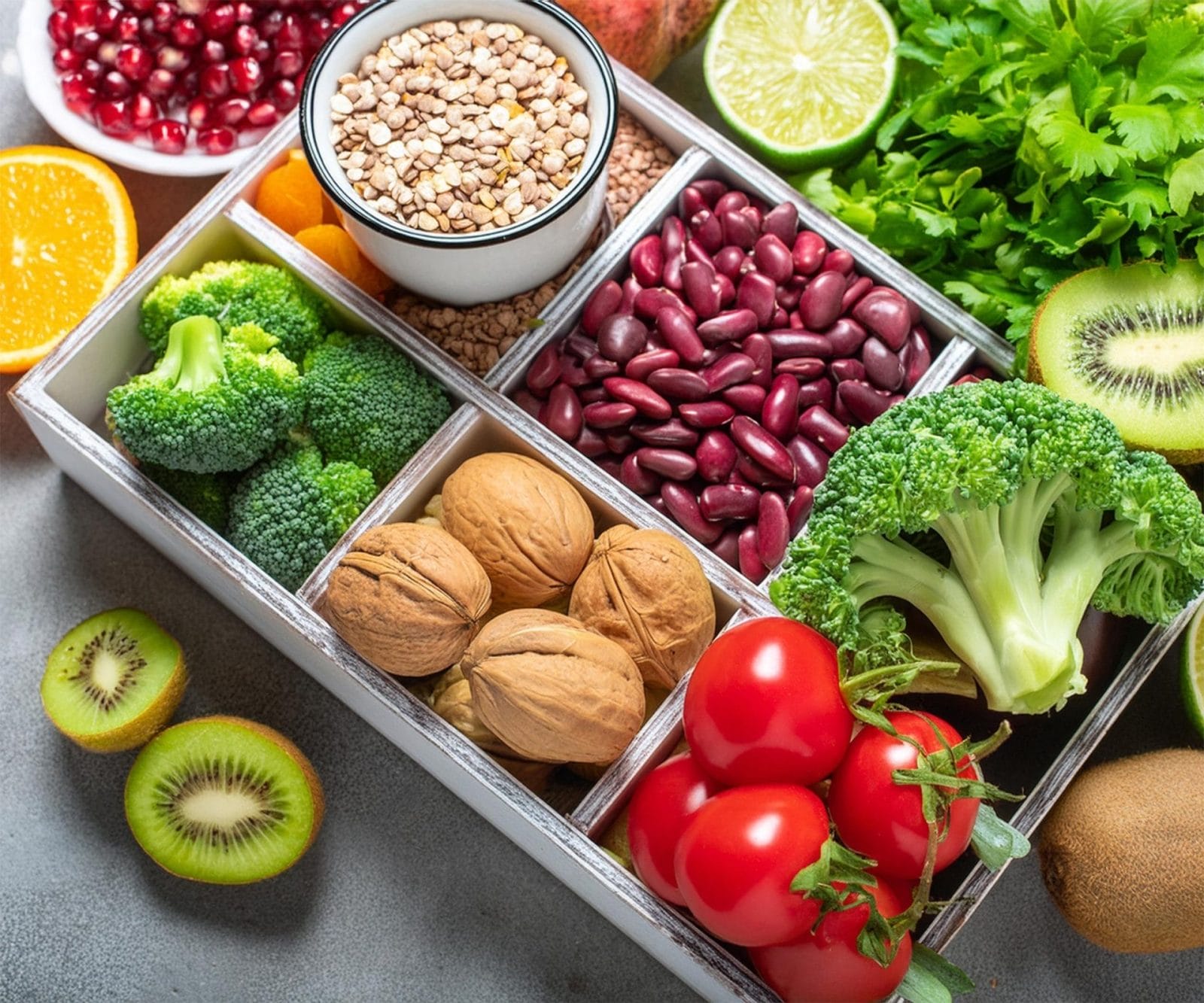
Lifestyle changes are a great place to start, yet the core of nutrition absorption starts with the food you eat. For those of us unable to regularly shop at farmer’s markets or grow our own soil-controlled veggies, it’s important to focus on the right vegetable pairings. While raw and fresh food items purchased from the grocery store may not be as nutritious as they used to be, when some vegetables are paired together they work cohesively to up the absorption of nutrition into your body.
Iron and Vitamin C
Parsley and Pepita Falafel Salad/One Green Planet
Absorbing plant-based iron can be a grueling task for the human body. Therefore, pair your iron-rich foods, such as spinach, with a veggie that is high in vitamin C, such as acerola cherries, chili peppers, sweet yellow peppers, or herbs such as parsley and thyme. Vitamin C has been shown to amplify the absorption power of many nutrients, including iron. Try out a few of these mix-and-match recipes that pair iron-rich plant-based foods with iron-absorbing, Vitamin C-rich, plant-based foods: Herb and Lentil Stuffing, Parsley and Pepita Falafel Salad, or this Quinoa Stuffed Bell Pepper.
Fat-Soluble Vitamins and Fatty Acids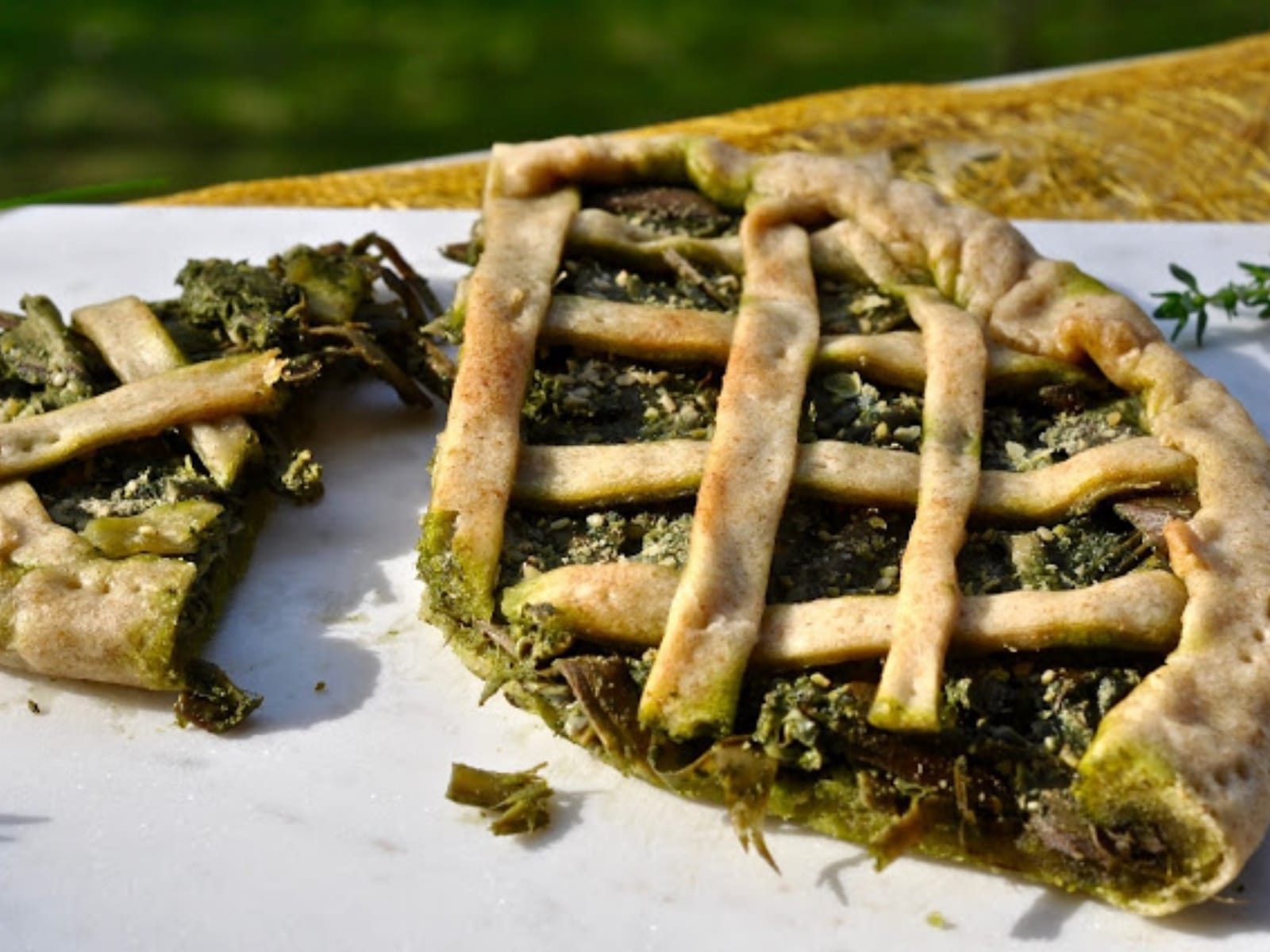
Artichoke and Walnut Pesto Pie/One Green Planet
You’ve probably heard the term fat-soluble, which refers to vitamins (such as A, D, K, and E) that require fatty acids in order to be absorbed into the body. Therefore, when eating a vegetable-rich meal (most veggies have one or more of these vitamins), try pairing it with healthy, plant-based fats which can be found most prevalently in nuts, seeds, and avocados, such as this Artichoke and Walnut Pesto Pie or these Falafel Wraps with Avocado Salsa.
Try a Smoothie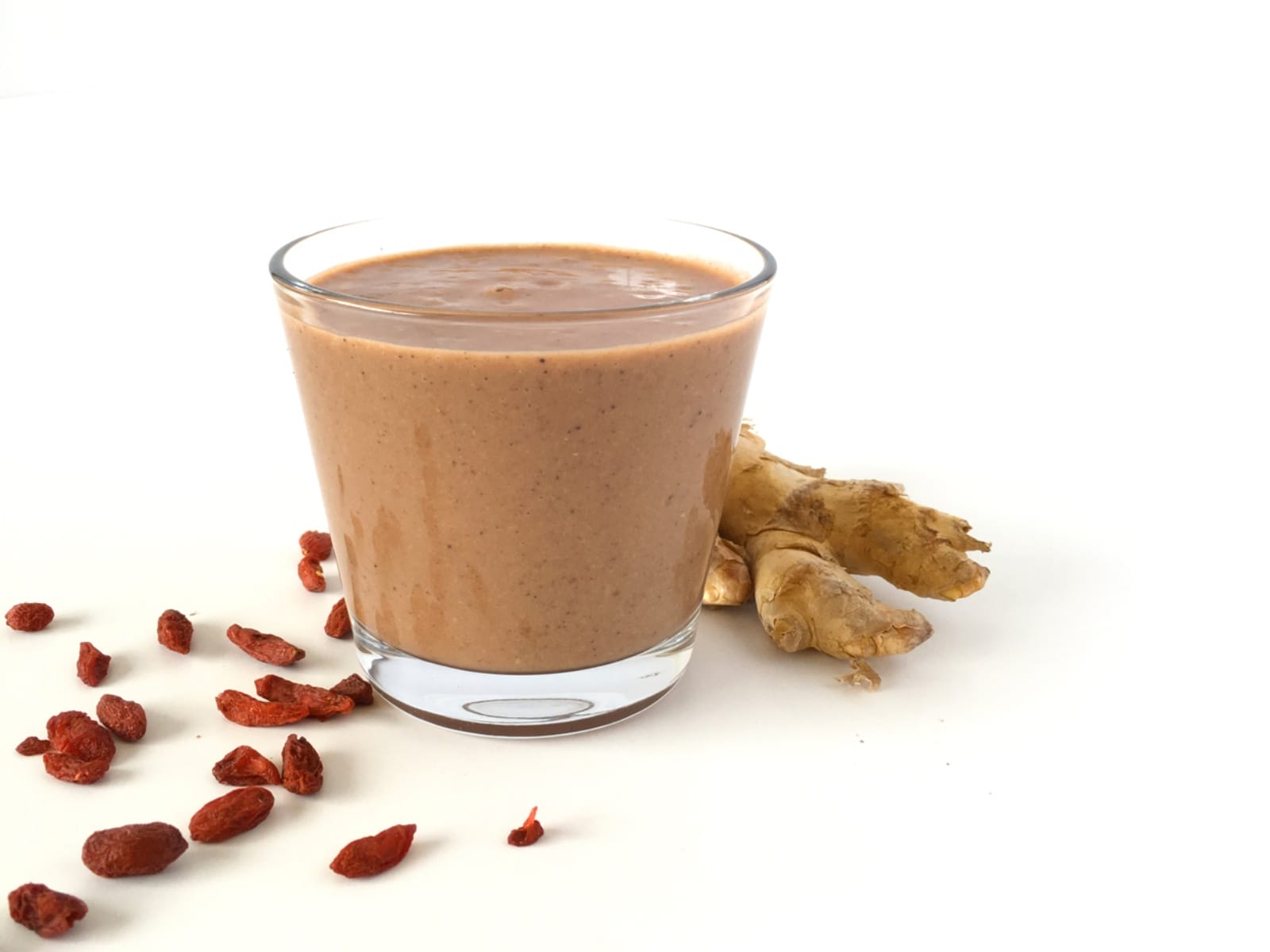
Goji Berry and Ginger Smoothie/One Green Planet
While consuming both juice and smoothie concoctions on a regular basis can quickly spiral out of control — increasing unnecessary sugar consumption — consuming fruit in this form may help the body absorb fruit-based nutrients more readily. Per Ralf Schweiggert, based out of the University of Hohenheim, “the fiber in whole fruit may bind to certain micronutrients, keeping them from being absorbed in the small intestine.” While moderation is key, making smoothies can be fun, easy, and delicious, such as these plant-based smoothie recipes: Blue Banana Smoothie, Goji Beery and Ginger Smoothie, Memory Booster Chunky Monkey Shake, or this High-Protein Vanilla and Cashew Smoothie.
Looking to get the most out of your plant-based nutrients? We highly recommend downloading our Food Monster App, which is available for both Android and iPhone, and can also be found on Instagram and Facebook. The app has more than 10,000 plant-based, allergy-friendly recipes, and subscribers gain access to new recipes every day. Check it out!






Comments: