
Vegan Recipe App
T-Shirts for Activists
Newsletter
Become a Member
Partner with us
Cookbooks
Petitions
Product Features
Adopt-a-Pet
Get thousands of vegan, allergy-friendly recipes in the palm of your hands today!
X
Get your favorite articles delivered right to your inbox!
X
7.2K Views
4 years ago
Bees Need You to Plant These 4 Flowers in Your Backyard Now!
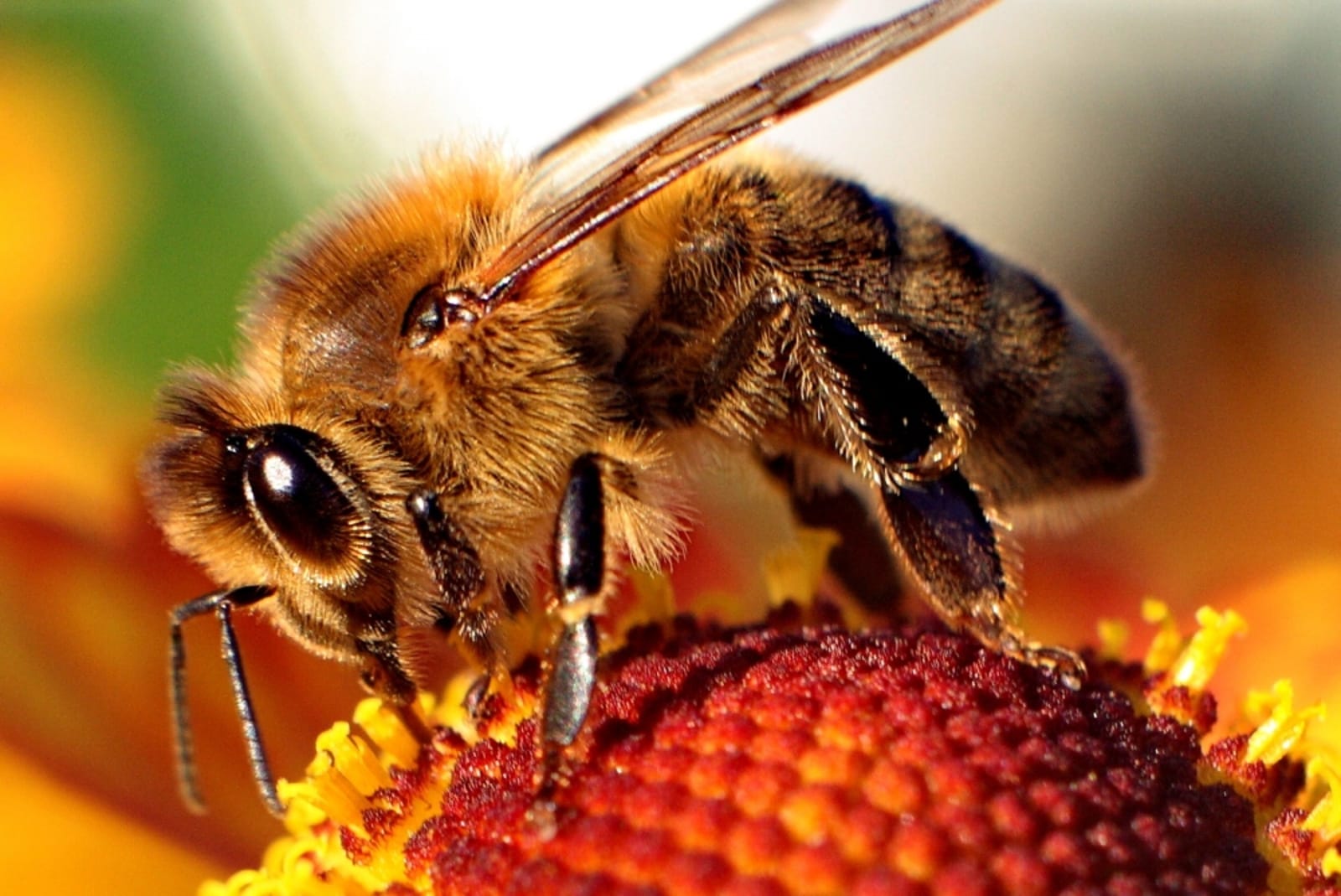
Image Credit: Maciej A. Czyzewski/Wikimedia
For brands
Want to reach our audience?
What is it about the honeybee community that draws humans into their world? Watch this informative breakdown of bee experience, bee-human relations, and, most pressing, the threats to bees today (skip to 5:50 for threats).
Source: TED/Youtube
Bees are cooperative, intuitive, hard-working, living beings whose labor is exploited for their fruits (superfood honey). The process of human-bee interaction, the human chemical-agricultural input changes, monocultures, and the fact that “we’ve stopped planting cover crops” for soil fertilizers and bee food, all equal major consequences for bees worldwide.
Humans have helped, in some way or another, to create, enable, and excel bee population destruction. We’ve done this by not planting bee-attracting crops, using pesticides/herbicides/insecticides and other agricultural chemical inputs that leach the soil of nutrients, destroy crops, create superweeds and superbugs and eventually poison and starve bees. We’ve also done this collectively through honey production and transporting bees to pollinate human-desired mass amounts of crops like almonds. We have been planting more and more crops for the dwindling number of bees to pollinate. They’re tired. They’re sick. They’re dropping dead from pollinating our food: when will it be enough? Marla Spivak gets the audience to consider these questions: when will these toxins begin harming humans at this lethal level, and what are they doing to humans on a small scale level in the meantime, too?
It’s not all lost, though; we can turn this around. As Spivak says in the video above, food deserts don’t have to be the future of food. She states that humans can help bees in two direct ways: planting bee-friendly flowers and not polluting them with chemical toxins like pesticides. You can also help bees by leaving their honey alone (they need it more than humans do), supporting a bee sanctuary, or creating your own, always taking the opportunity to vote and get active in the fights against these bee-killing poisons and practices, too. Speak up for bees!
Here are four flowers bees need you to plant now.
1. Hollyhocks
Best when planted in fall (September or October), these beautiful, tall flower pods will bloom within the next year. This provides quick food for bees in need. Simply sprinkle the seeds on top of some rich, warm soil and cover ever so lightly with a fine layer of the soil. Make sure the seeds can feel the sun and receive full light when germinating. Thereafter, full sun or partial shade will do. These flowers come in a variety of stunning, bee-attracting colors, make for excellent garden decor, and will return each year for several years.

Source: Primejyothi/Wikimedia
Being publicly-funded gives us a greater chance to continue providing you with high-quality content.Click here to Support Us
2. Purple Cone Flower (Echinacea)
This perennial flower’s bud pushes itself toward the sun, providing easy access for bees to land and have a snack. It’s no wonder then that gardeners get the best flowers and best food for bees by planting purple cone flowers in full sun. What’s more? These flowers are drought resistant, making them good for the not-so-green-thumbed gardener. For more on how to grow these, check here.

Source: Biedrek/Wikimedia
3. Shasta Daisies
The composite shape of the Shasta is what draws bees in. It is also what makes these such efficient methods of helping bees. Bees will land on the big yellow pad we know as the center of the flower. Here, there are hundreds of much smaller flowers that form a tight round cluster called an inflorescence. It is when the bee walks across these tiny flowers that its body is covered in pollen. This pollen is then redistributed amongst flowers to create food for bees and humans alike.

Source: asdfawev/Flickr
4. Sedum Spectabile “Brilliant”
An easy flower to grow, this hardy perennial will feed more than just bees, too. It is known to attract butterflies with its showy or “brilliant” flower pod heads. These blooms will begin in August (plant now!) and carry on into the cooler months.

Source: Aka/Wikimedia
Please note, always try to plant native species in your location. What the bees in one gardening zone like, will not necessarily match in another location. Happy gardening!
Being publicly-funded gives us a greater chance to continue providing you with high-quality content.Click here to Support Us
Related Content:
- What to Plant in Your Garden to Help Save the Bees
- The Disappearing Bees And What You Can Do To Help
- 10 Plants That Will Help Attract Bees to Your Garden in the Spring
- Why Bees Matter so Much to Humans
- How Bees Benefit Other Living Things
Easy Ways to Help the Planet:
- Eat Less Meat: Download Food Monster, the largest plant-based Recipe app on the App Store to help reduce your environmental footprint, save animals and get healthy. You can also buy a hard or soft copy of our favorite vegan cookbooks.
- Reduce Your Fast Fashion Footprint: Take initiative by standing up against fast fashion Pollution and supporting sustainable and circular brands like Tiny Rescue that are raising awareness around important issues through recycled zero-waste clothing designed to be returned and remade over and over again.
- Support Independent Media: Being publicly-funded gives us a greater chance to continue providing you with high-quality content. Please consider supporting us by donating!
- Sign a Petition: Your voice matters! Help turn petitions into victories by signing the latest list of must-sign petitions to help people, animals, and the planet.
- Stay Informed: Keep up with the latest news and important stories involving animals, the environment, sustainable living, food, health, and human interest topics by subscribing to our newsletter!
- Do What You Can: Reduce waste, plant trees, eat local, travel responsibly, reuse stuff, say no to single-use plastics, recycle, vote smart, switch to cold water laundry, divest from fossil fuels, save water, shop wisely, Donate if you can, grow your own food, volunteer, conserve energy, compost, and don’t forget about the microplastics and microbeads lurking in common household and personal care products!






.jpg)
The bees also LOVE motherwort (Leonurus Cardiaca) native to zone 5 where I live. Most native plants are very beneficial for pollinators. Planting flowering trees is also a great place to start! Hyssop (Agastache foeniculum) is another bee loved plant. It self seeds freely and I spread the seed all over my yard! We must plant like our life depends on it, for it does!! Let\’s help mother nature whenever we can by planting bee loved plants!!
SAVE THE BEES FROM EXTINCTION
Honey bees cover my rosemary plants when they bloom (and they bloom several times a year!) Also lavender of any kind and oregano plants. Sedums and whirling butterflies are also popular with them.