
Vegan Recipe App
T-Shirts for Activists
Newsletter
Ad-Free Browsing
Partner with us
Cookbooks
Petitions
Product Features
Adopt-a-Pet
Get thousands of vegan, allergy-friendly recipes in the palm of your hands today!
X
Get your favorite articles delivered right to your inbox!
X
6 years ago
7 Vegetables that Are Quick and Easy for Kids to Grow
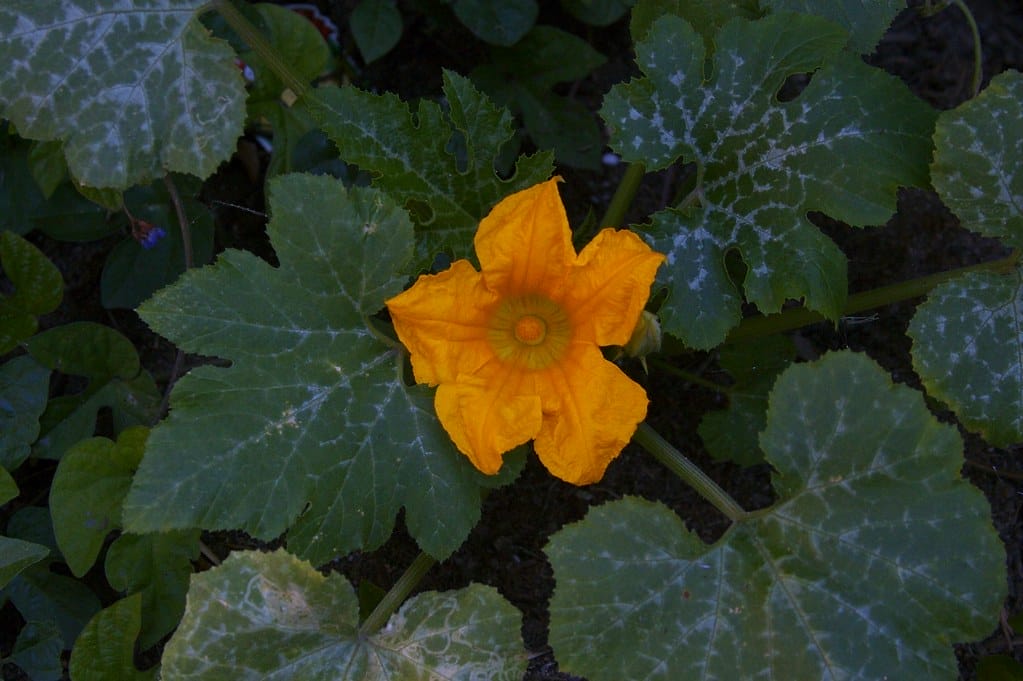
Image Credit: Living in Monrovia/Creative Commons
https://ogp-ai.mystagingwebsite.com?redirect=true

Audio By Carbonatix
Whether we are inside or out, spring has arrived, and that means it is time to get some food growing. This year, with the kids around a little more than normal, we are afforded the special opportunity to get them seriously involved in producing some homegrown, healthy food.
Not only will cultivating a garden (and this can be in containers, no problem) be a fun project for them, something to occupy all that time and energy, it’ll likely mean an uptick in their nutritional intake. Nothing makes children eat vegetables quite like growing their own.
To help with making this venture successful, choosing quick-producing and/or low-maintenance vegetables is crucial because children just don’t always have the attention span to wait months for fruit to bear. And, to be honest, they aren’t always quite responsible enough (as if adults are) to regularly care for and water the plants.
The trick is to pick the right vegetables for the situation.
1. Sprouts
Sprouts are easy to grow, provide harvests in less than a week and can be grown indoors without even needing soil. While there are kits and contraptions out there to be for this, that isn’t necessary. Sprouts can be done with many different seeds: peas, mung beans, radish, kale, mustard, cabbage, etc. Get a clean jar, put in about a tablespoon of seeds, pour in a couple of inches of water and we’re off. On the next day, drain the water, rinse the seeds and drain them again thoroughly. Repeat this for a few days, and in less than a week, sprouts are ready!
2. Radishes
Known to be a great companion plant for just about everything, radishes grow from seed to harvest in about a month, providing both delicious greens and roots. They can be planted alongside the patio, in open spots of ornamental flower beds, in a vegetable gardens or in pots. They survive frosts, they don’t mind a swelter and they tolerate forgetfulness.
3. Green Beans/Peas
Two more easy-growing plants, beans and peas pop up and look very plant-like (rather than hair-like sprouts) right away. The vining varieties, which are more fun, will climb up porch posts or balcony rails. They put out pretty flowers, and once the beans/peas start coming, they can be harvested a couple times a week, if not more. These can be grown in the ground or just as easily in pots.
4. Microgreens
Microgreens is a fancy word, but in reality, this is just vegetables—arugula, kale, collards, cabbage, lettuces, broccoli, peas—between the sprout and mature stages of growth. Unlike sprouts, these require soil. Unlike full-blown greens, they only require three or four weeks to provide a good harvest. The nice part of the microgreens is that they have plenty of nutrition (more than mature plants), but they tend have milder flavors than and softer textures than full-grown leaves.
5. Summer Squashes
Getting into larger plants, summer squashes are easy to grow, and though the seed-to-fruit interim is longer than microgreens, when the action starts, the harvests are bountiful. Plus, squash plants are exciting to watch: They grow quickly, sending out vines that’ll take over a balcony or patio corner. They also put out lovely, large flowers before the fruiting begins. Squashes grow happily in the ground, but a large pot works, too.
6. Pumpkins
Pumpkins grow much the same as summer squashes, only they take a little longer to mature and possible occupy more space. For those with backyards, this could work in a sunny corner along the fence, next to the house or under the driplines of trees. They require very little attention, and of course, finding a few big pumpkins in the autumn is great fun. The kids might want to grow their own jack-o-lanterns. Though associated with late autumn, pumpkins do require all summer to grow.
7. Carrots
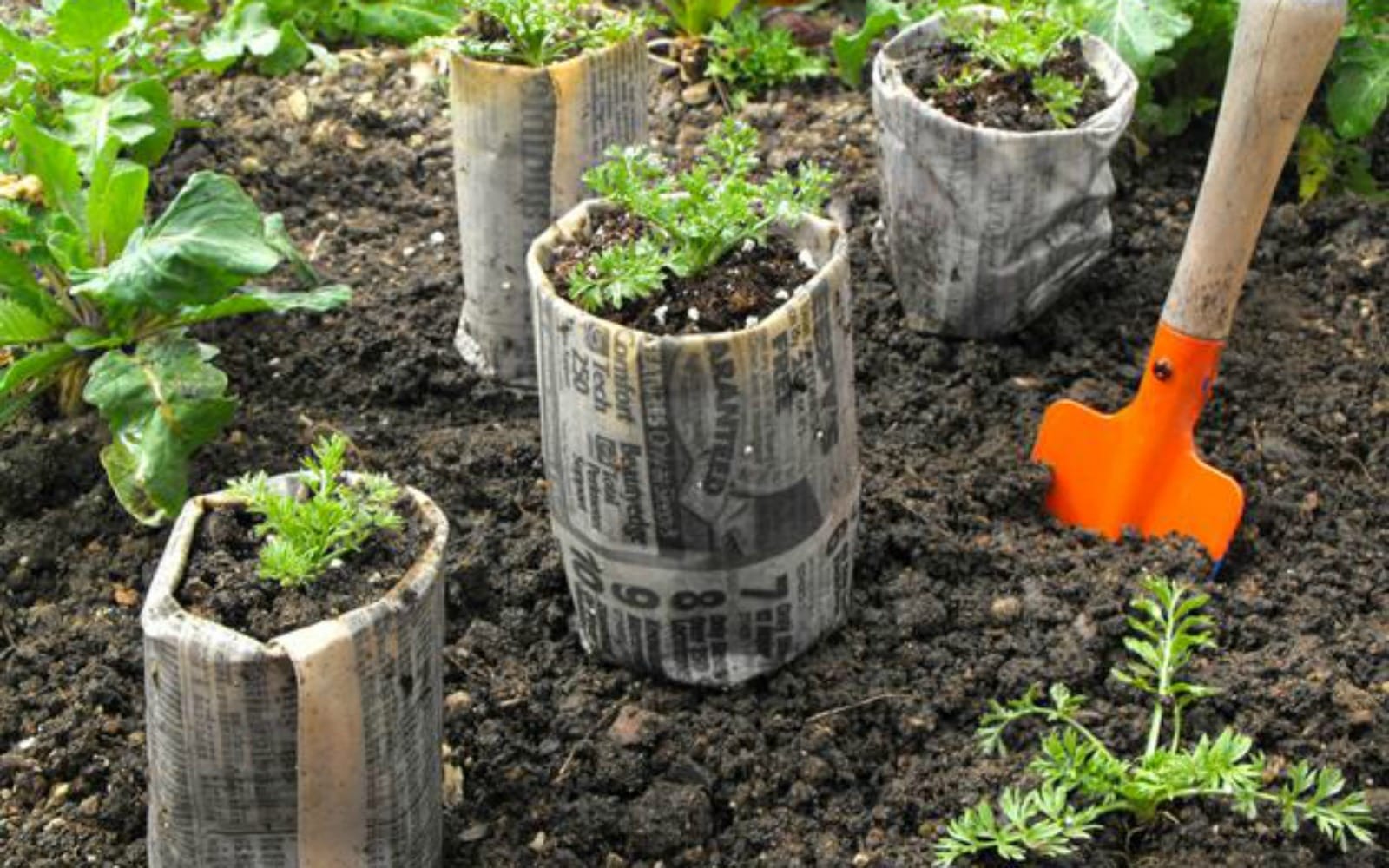
To possibly get back indoors, carrots are another vegetable that can be grown in pots, keeping in mind that the container needs to be deep enough (10 inches or more) for the roots to grow. These can be fun because there are multiple colors beyond the typical orange. Kids might really like a purple carrot. A mature root takes about three months, but they can be planted thicker and thinned out at about two months for baby carrots.
The kids might really like to grow vegetables this year. Gardening might get them eating fresh produce. It will certainly provide some excitement, as well as daily activities—observing, watering, harvesting—to keep them busy with something worthwhile. Now is the perfect time to get started.
For more Life, Animal, Earth, Vegan Food, Health, and Recipe content published daily, subscribe to the One Green Planet Newsletter! Also, don’t forget to download the Food Monster App on iTunes — with over 15,000 delicious recipes it is the largest meatless, vegan and allergy-friendly recipe resource to help reduce your environmental footprint, save animals and get healthy!
Lastly, being publicly-funded gives us a greater chance to continue providing you with high quality content. Please consider supporting us by donating!




Comments: