
Vegan Recipe App
T-Shirts for Activists
Newsletter
Ad-Free Browsing
Cookbooks
Petitions
Product Features
Adopt-a-Pet
Get thousands of vegan, allergy-friendly recipes in the palm of your hands today!
X
Get your favorite articles delivered right to your inbox!
X
11.8K Views
1 year ago
10 Genius Tips for Thrifty Gardening That Will Save You Money!

Image Credit: liz west/Wikimedia

Audio By Carbonatix
Gardening is becoming the thing to do these days, and with good reason; it gets us more in touch with what we are eating, it is an easy way to ensure what we eat is safe, and it cuts down on our food costs. As a gardener myself, I’ve learned lots of little tricks of the trade to keep myself in fresh produce for virtually nothing. Here are thrifty gardening tips that might just have those GMO and chemical companies on edge and shelved for good:
1. Shop for Secondhand Seeds
Sure, Monsanto doesn’t let farmers keep their seeds, but that’s not the way the gardening world works. I save seeds from nearly every fruit and vegetable I buy or eat. Why not? I’ve managed to grow fruit trees (papaya, grapefruit, star fruit, lime, avocado, etc.) and garden vegetables (squash, eggplant, pumpkin, cucumber, peppers, etc.) from my regular grocery shopping. I also just grab a few seeds from bags of any kind of dried legume. Once the seeds are going, well, not only have I saved money on groceries, but I’ve also eliminated having to buy seeds. So, if something has a seed, don’t throw it away; plant it and see what happens.
2. Grow From What You’ve Got
Fresh herbs are one of my favorites, and buying them costs a bundle. While the seeds are not too expensive, they aren’t at all necessary. Once an herb garden is growing, it is easy to expand by simply using cuttings to multiply the plants. Every day, when I use basil, oregano, tarragon, or whatever else from my herb bed, I leave a couple of small leaves on the stem and stick it in some water. Within a week, new roots will begin to form, and it will become another plant in my garden. This works for lots of plants, but particularly (and more easily) for things with herbaceous stems. Don’t buy new seeds for plants that are already in the garden. Try propagating new ones by using cuttings (or the seeds it produces).
3. Make Your Own Fertile Soil
Potting soil, even store-bought organic compost, just seems all wrong. Firstly, it generally comes in a plastic bag, which is utterly ridiculous for farmers trying to help the world. Secondly, why on earth would someone buy something that can be made from trash and excrement? Seriously, thrifty gardeners—all good gardeners, I’d proclaim very loudly—should be making their fertile soil constantly. There are loads of different ways to do it, from laborious quick fixes to letting a pile of leaves and twigs sit around in the backyard all summer. If no soil is available right now, dig a hole somewhere and mix it with some leaves and ash. Get a compost (several composts actually) going. Learn how to use what’s around to produce good soil, and always choose a little shovel work over a plastic bag with a price tag.
4. Upcycle Your Plant Pots
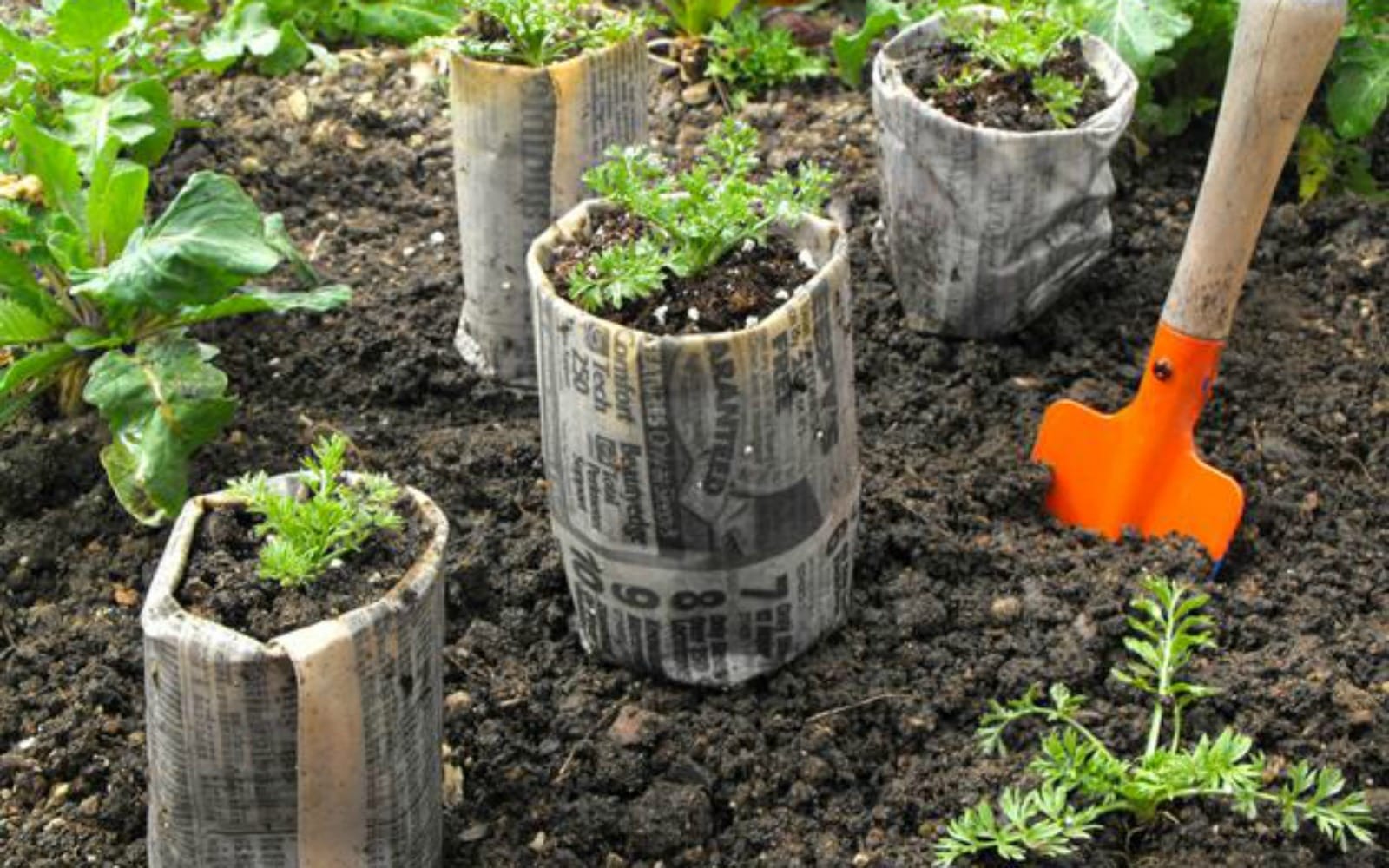
Plastic bottles, jugs, and containers of all sizes are all over the place, from the neighbor’s garbage can to the side of the road. Find them, cut off the top, and use them to start seedlings or grow plants. Hang onto the tops, and when and if said plant goes into the soil, the tops can go over it for a little added protection until it gets big and strong. This may not always be the most attractive pot, but then again, there are an assortment of paint, markers, stickers, and whatever else sitting around to decorate them. It’s a win-win-win: Less plastic being consumed, a new use for the plastic already consumed, and a few dollars saved in garden supplies.
- Use (safe) plastic bottles and old containers as seedling pots or planters, and reuse the tops for protecting new seedlings in the ground.
5. Forage
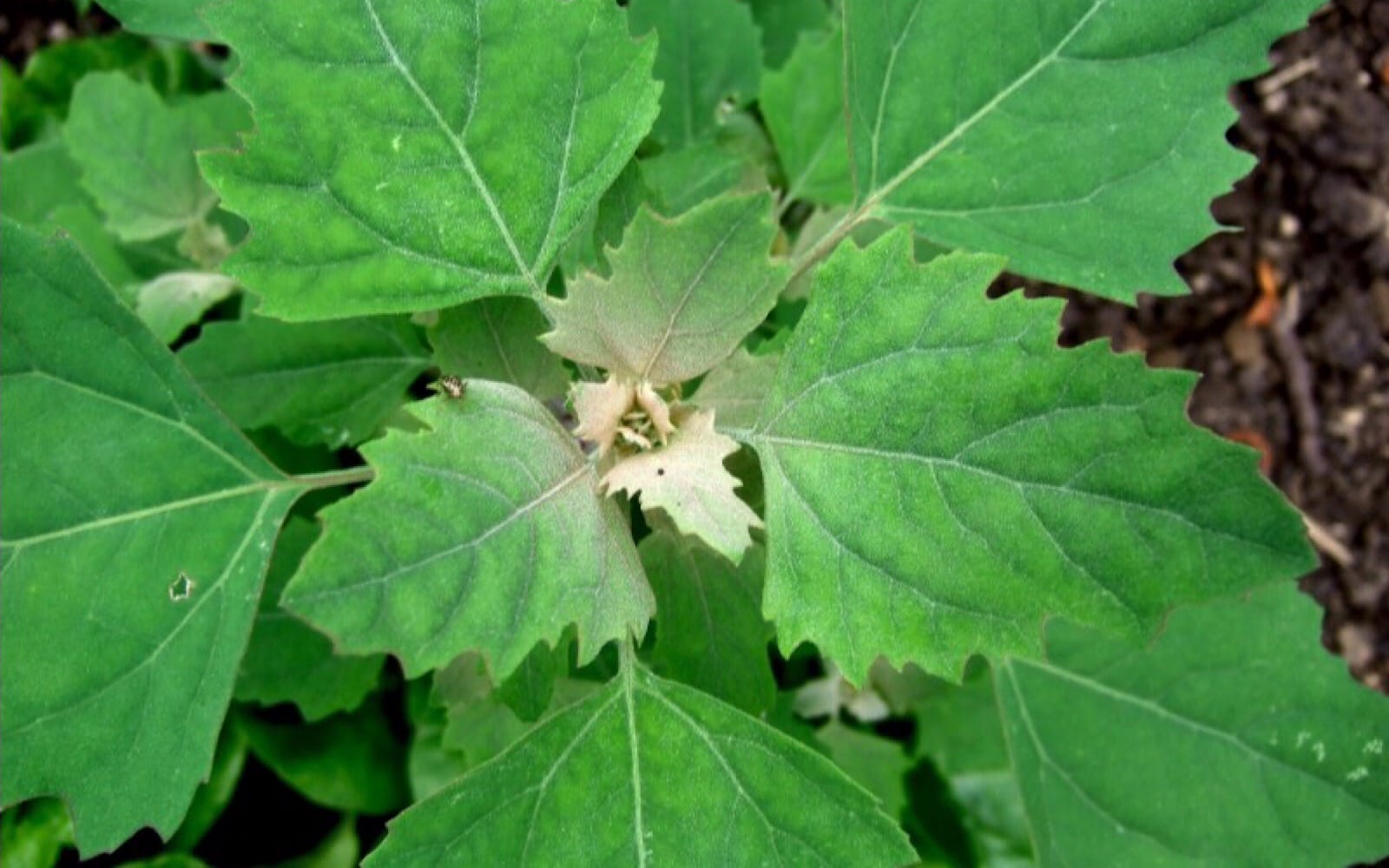
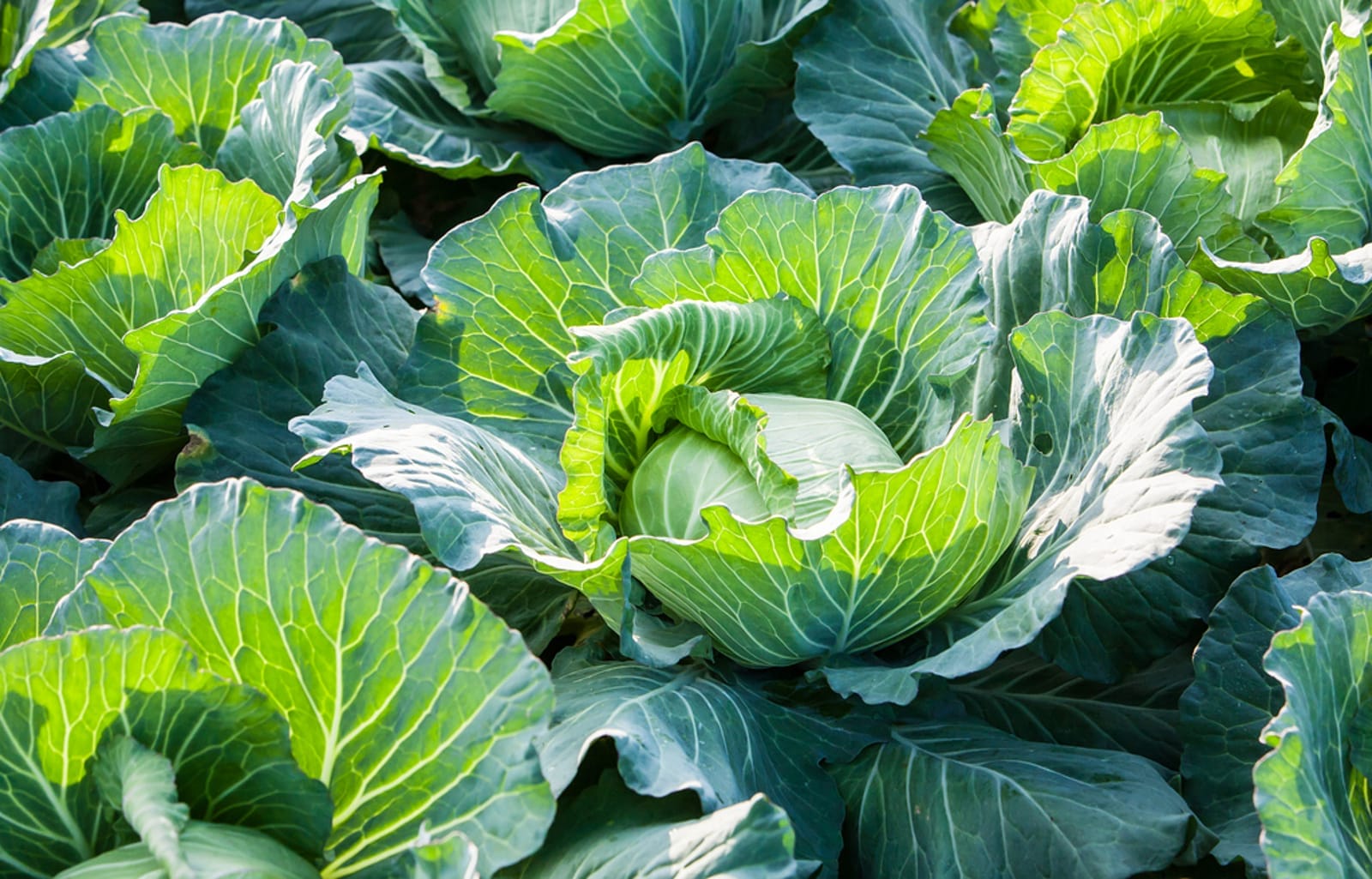
Plants are so much more versatile than we give them credit for, even us vegans. Living in the tropics, where I can’t grow lettuce or cabbage, I’ve learned that other leaves — hibiscus, okra, sweet potato, beans, etc. — can make great salads. Often unused parts of plants, such as papaya leaves, are great for medicinal teas, and some things can be eaten as sprouts, roots, leaves, fruit, and stems. Go online and find out just how much food the plants in the garden, or even the yard (lots of common weeds are edible), are providing. Get to know what is edible around you and make sure to include it in your diet. Make the most of what “crops” are already growing.
6. Explore Companion Planting
Companion planting is a fantastic strategy that not only maximizes space but also enhances the growth and health of your plants. Certain plants can benefit each other when grown together; for example, planting marigolds alongside vegetables can repel pests, while planting basil near tomatoes can improve flavor and growth. Research various companion planting combinations to create a thriving garden ecosystem. This approach reduces the need for chemical pesticides and can lead to a more bountiful harvest.
7. Consider Rainwater Harvesting
Harvesting rainwater is an eco-friendly way to ensure your garden receives the water it needs without increasing your utility bills. Setting up a simple rain barrel system can allow you to collect rainwater from your roof. This natural resource is not only free but is also gentler on your plants than treated tap water. Use this collected rainwater for irrigation, reducing your environmental impact and saving money at the same time.
8. Join a Local Gardening Community
Participating in a local gardening community or cooperative can provide invaluable resources and Support. These groups often share seeds, plants, and gardening tips, allowing you to expand your garden without significant costs. Check for local gardening clubs, online forums, or community gardens in your area. Networking with fellow gardeners can also lead to opportunities for plant swaps and collaboration on larger gardening projects.
9 Utilize Free Online Resources
The internet is a treasure trove of gardening knowledge. Websites, forums, and social media groups can connect you with experienced gardeners who share their insights, tips, and tricks. Platforms like YouTube offer countless tutorials on everything from seed starting to pest management. Investing time in learning from these resources can empower you to make informed decisions and enhance your gardening skills without spending extra money.
10. Experiment with Vertical Gardening
If space is limited, consider vertical gardening as a way to maximize your growing area. Using trellises, wall planters, or hanging pots can allow you to cultivate a wide variety of plants without requiring much ground space. This method not only saves room but can also improve air circulation and sunlight exposure for your plants. Explore creative vertical gardening techniques that suit your space and style.
By integrating these additional strategies into your gardening practices, you can further enhance your ability to cultivate a fruitful garden while adhering to a thrifty budget. Happy gardening!
More gardenng recources:
- 5 Pro Gardening Practices You Should Never Ignore
- Little Green Thumbs: 7 Fun Recipes to Ignite Your Child’s Passion for Gardening!
- The Importance of Cover Crops in Sustainable Gardening
- 7 Kitchen Waste Items You Should Be Saving for Spring Gardening
- 6 Ways to Make Gardening More Fun
- Ways to Create Microclimates in Your Yard for Greater Gardening Success
- 8 Tips and Ideas for Making Gardening Easier and Cheaper
- How to Create a Seed Bomb for Guerrilla Gardening
- Understanding Soil Types for Better Gardening Success
- A Guide to Square-Foot Gardening
- Get Your Gardening Tools in Great Shape for Spring
- 7 Practices for Gardening Sustainably
- 5 Tips to Make Gardening A Little Easier This Summer




i believe