
Vegan Recipe App
T-Shirts for Activists
Newsletter
Ad-Free Browsing
Cookbooks
Petitions
Product Features
Adopt-a-Pet
Get thousands of vegan, allergy-friendly recipes in the palm of your hands today!
X
Get your favorite articles delivered right to your inbox!
X
4.8K Views
7 years ago
7 Reasons We Should Be Catching Rainwater

Image Credit: Bianca Grueneberg/Shutterstock
Bianca Grueneberg

Audio By Carbonatix
Egyptians, Romans, the Inca and many other ancient civilizations were built upon the ability to harvest and store rainwater. The big change in catching and storing rain water today has come in that we now picture gutters feeding rain barrels as opposed to underground cisterns or stone channels for moving water into storage ponds. The concept is the same.
Of course, it’s easy to understand why these antiquated societies were so keen to keep rainwater. They didn’t have plumbing that allowed them access to water at just about any moment of any day whether in a drought or deluge. In other words, if they didn’t store the rainwater when it fell, they wouldn’t have it in times of need.
That’s all well and good and impressive, and now we get to see the Roman aqueducts and Machu Picchu. But, we are plumbed in now, so why—one might ask—should we bother catching rainwater? Well, the answers are numerous.
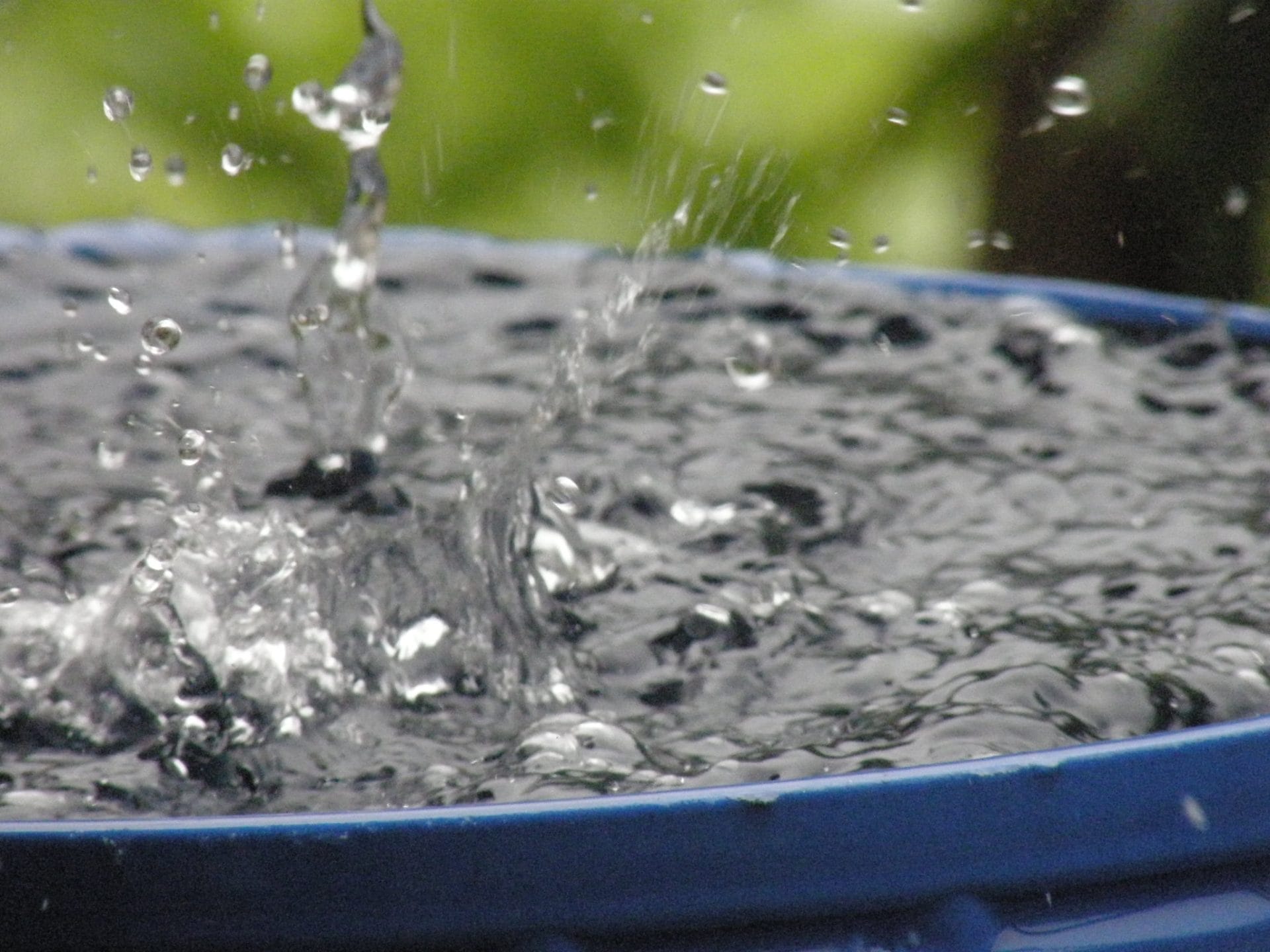
Source: keepps/Flickr
1. Reduces Bills
While it might not cost a significant amount of money — money is money, and rain is free. Most people who harvest rainwater use it to irrigate their lawns and gardens, and this constitutes about 20% of the water an average household uses. The potential to catch rainwater (thousands of gallons a year for a normal rooftop) and store it for later use means we aren’t paying for it to water our lawns or mop the garage floor.
2. Conserves Resources
Freshwater only makes up a tiny percentage of the water on the planet, and the freshwater we can actually use amounts to only about one percent of the earth’s water. Conventional sources of water, such as aquifers and lakes, are drying up from overuse, and water scarcity has become a serious problem around the world. We have the ability to catch and store it with every rain. The roof of a 2,000 square foot home can collect over a thousand gallons of water from an inch of rain.
3. Saves Energy
In addition to water being a resource, having water plumbed into our homes requires us to use many other resources to access it. We have to pump the water, moving it around with likely fossil-fuel derived energy. With water catchment systems like rain barrels, we can collect the water coming down the gutter downspout and store it in a barrel raised up off the ground. Then, when we need it, gravity pushes it out rather than electricity.sa
4. Backs Up the System
While it is undeniably amazing how easily we have access to water now, it is equally undeniably amazing how absolutely helpless we are when those modern systems fail. Most of us have a back-up plan that equates to a couple of gallons of bottled water in the garage. Each rain barrel can hold 55-gallons of clean water that can easily be made drinkable, or used to flush a toilet or clean up or whatever. We don’t have to rely on companies for everything all the time.
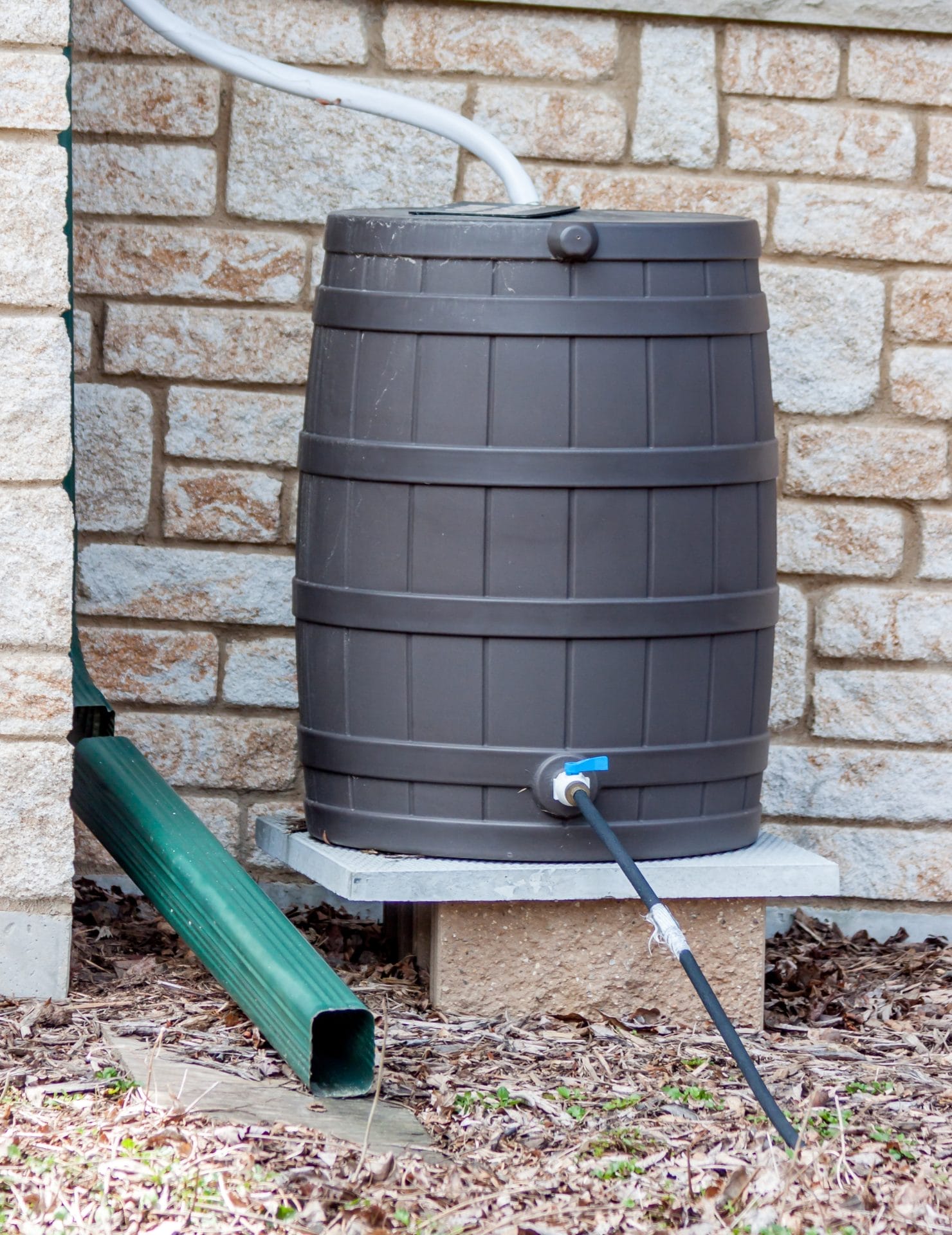
Source: Aqua Mechanical/Flickr
5. Cleaned Naturally
The natural water cycle is the original and best method for cleaning water. Modern water sanitation usually involves a number of chemicals, which both alter the taste and add their own safety concerns for the water we use. Rainwater has been cleaned naturally. The water evaporates, leaving behind pollutants, and falls clean. There are even flush components for roof catchment systems that divert the first few gallons of rainwater so that the roof is cleaned before rainwater storage begins.
6. Improves Irrigation
Since people most regularly use rainwater harvesting systems for irrigating the lawn and garden, it really makes sense because rainwater is so much better for plants. Plants don’t need or like the abundance of chemicals, such as chlorine, that are put into municipal water to make it safe for drinking. They’d much rather the cleaner rainwater, so even if that’s the only reason for catching rainwater, it’s a great idea. The soil will be healthier for it, and healthy soil means healthier plants and healthy plants means healthier people.
7. Prevents Flooding
To a degree, rainwater catchment systems help us mitigate flooding. This would be much more the case if more of us used them. Rather than collectively draining water away and overwhelming our storm sewers and the streams/rivers that carry that now polluted water away, we could be storing it in water harvesting tanks, soaking it into our lawns and utilizing as much water as possible before overworking infrastructure to get rid of it. Industrial development is much more the cause of flooding issues today than is nature.
We should be catching rainwater. We should be using it. There are many ways for us to do this, both in tanks or barrels as well as through savvy landscaping. Right now, an overabundance of rain is becoming a problem in many places, and water shortages are troubling in other places. Catching rainwater would help to solve both of these problems, and more.
For more Life, Animal, Vegan Food, Health, and Recipe content published daily, don’t forget to subscribe to the One Green Planet Newsletter!
Being publicly-funded gives us a greater chance to continue providing you with high quality content. Please support us!






Comments: