
Vegan Recipe App
T-Shirts for Activists
Newsletter
Ad-Free Browsing
Partner with us
Cookbooks
Petitions
Product Features
Adopt-a-Pet
Get thousands of vegan, allergy-friendly recipes in the palm of your hands today!
X
Get your favorite articles delivered right to your inbox!
X
10K Views
3 years ago
5 Beneficial Bugs in Your Garden and How to Attract Them

Image Credit: Revilo Lessen/Shutterstock

Audio By Carbonatix
Gardens of all descriptions are full of creepy crawlies, flying bugs, and slimy, slithering creatures. As a gardener, it can be quite overwhelming to find your precious and prized plant covered in life forms that seem to be taking over.
However, as a gardener, it is vitally important to be able to distinguish between the bugs that are decimating your flowers and veggies and the ones that you could quite well consider your best friends.
Many insects in the garden are incredibly important to the health of the microclimate you have created in your garden. As well, they are essential players in the health of our ecosystems as a whole.
Sure, we have all read a bunch about the importance of pollinators. Few are in denial about bees and butterflies, these days, but what about those Support actors and the ones working off-stage?
Your garden is heaving with insects that are tirelessly working for the health of your garden and you as we read.
Check out these bugs that are a garden’s best friend and learn how you can help create the perfect environment for them. It will also help you not to be so nervous when you next see them.
How to Attract ‘Good’ Bugs to Your Garden
Source: Project Diaries/YouTube
- One way to have an overall healthy garden is to create as much of a polyculture as you can. That is to say, plant a variety of plants with varying colors, textures, heights, times of blooming, etc.
- A few weeds are not always the enemy. Dandelions, for example, are early bloomers and attract several beneficial insects.
- You can also plant specific plants to attract specific insects. We will look at this idea more later on.
- If you have a vegetable garden, allow some of your plants, especially brassicas, and herbs, to go to seed so that more insects will be lured to your garden.
- Plant several native wildflowers to appeal to local pollinators.
According to Starcher, the author of “Good Bugs for Your Garden”, some of the best plants you can plants to attract the good guys are dill, carrots, lavender, lemon balm, marigolds, feverfew, thyme, sunflowers, and rose geraniums.
Categories of Beneficial Insects
Not all insects in the garden are doing the same beneficial job. There are three main jobs that these helpers and tirelessly doing. Check out the three Ps of beneficial insects.
Pollinators: These creatures pollinate all of the flowers in our gardens and on our food farms. If it weren’t for them we would be severely deficient in food and diversity. Nearly 80% of the world’s plants rely on pollinators for fertilization. Bees and butterflies fall into this category.
Predators: These insects feed on the ‘bad’ bugs in our gardens that are devouring our veggies and prized roses. They help to keep a healthy balance. Praying Mantis would be an example of an insect in this category.
Parasites: These bugs also feed on other insects but do so slightly differently. Instead, these insects lay their eggs on the bodies of other bugs ultimately killing them but ensuring their own survival. An example of this type of insect is a braconid wasp.
1. Praying Mantis
Source: sciencewithkids.com/YouTube
Praying mantes are a part of the predator camp of insects. They feast on grasshoppers, beetles, and flies that plague your plants. They are, however, indiscriminate in their feeding and will readily chow down on a butterfly or bee.
2. Ladybird/LadyBug
Whatever you call this cute little beetle, the ladybird or bug is a true friend to the garden. Ladybird larvae can devour 40 aphids in just one hour.
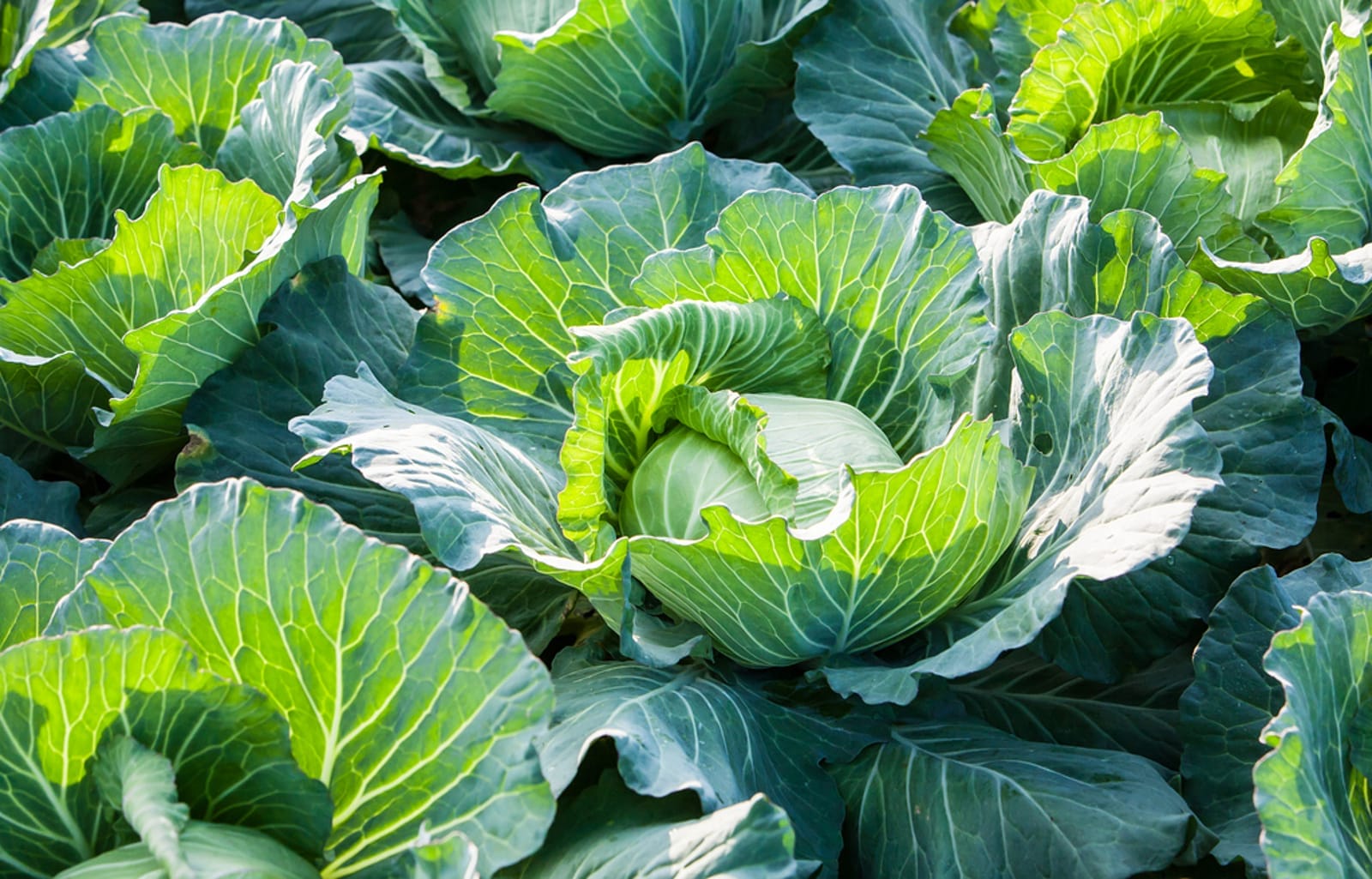
Learn to recognize them and let them at your kale, collards, and cabbages.
3. Lacewings
Though adult lacewing feed on nectar and pollen, their larvae feed on everything from caterpillars and whiteflies to aphids. They can consume 200 to 300 aphids in the one to three weeks before they mature into adulthood.
4. Braconid wasps
Source: Insider/YouTube
If you have ever grown tomatoes that have been hounded by tomato hornworms, you know the extent of the damage they cause.
The braconid wasp lays its eggs on the worm’s skin. Though this is no fun whatsoever for the worm, it is nature’s way of protecting tomato plants, maintaining a healthy ecosystem, and keeping the braconid wasp thriving.
If you see a hornworm that has been infected by the wasp, simply remove it from your plants and allow nature to take its course away from your tomatoes.
5. Soldier Beetles
You probably recognize these little insects but have had no idea what they were. Well, soldier beetles are a particular friend to those trying to grow beans, cucumbers, or potatoes.
These beetles are natural predators of the Mexican bean beetle and the Colorado potato beetle. Growing flowering plants such as Queen Anne’s Lace, yarrow, dill, and carrots will attract this busy, beneficial bug.
Being publicly-funded gives us a greater chance to continue providing you with high-quality content.Click here to Support Us
Related Content:
- The Best Insect Repelling Essential Oils
- The 5 Best Essential Oils for Glowing Skin
- Must-Have for Any Athlete! DIY Muscle Mender Massage Oil
- DIY Natural Insect Repellent
- How to Make Homemade Insect Repellent
Easy Ways to Help the Planet:
- Eat Less Meat: Download Food Monster, the largest plant-based Recipe app on the App Store, to help reduce your environmental footprint, save animals and get healthy. You can also buy a hard or soft copy of our favorite vegan cookbooks.
- Reduce Your Fast Fashion Footprint: Take initiative by standing up against fast fashion Pollution and supporting sustainable and circular brands like Tiny Rescue that raise awareness around important issues through recycled zero-waste clothing designed to be returned and remade over and over again.
- Support Independent Media: Being publicly funded gives us a greater chance to continue providing you with high-quality content. Please consider supporting us by donating!
- Sign a Petition: Your voice matters! Help turn petitions into victories by signing the latest list of must-sign petitions to help people, animals, and the planet.
- Stay Informed: Keep up with the latest news and essential stories involving animals, the environment, sustainable living, food, health, and human interest topics by subscribing to our newsletter!
- Do What You Can: Reduce waste, plant trees, eat local, travel responsibly, reuse stuff, say no to single-use plastics, recycle, vote smart, switch to cold water laundry, divest from fossil fuels, save water, shop wisely, Donate if you can, grow your food, volunteer, conserve energy, compost, and don’t forget about the microplastics and microbeads lurking in typical household and personal care products!




Comments: