Nicholas Vincent is a passionate environmentalist and freelance writer. He is deeply committed to promoting...
Nicholas Vincent is a passionate environmentalist and freelance writer. He is deeply committed to promoting sustainability and finding solutions to the most pressing environmental challenges of our time. In his free time, Nicholas enjoys the great outdoors and can often be found exploring some of the most beautiful and remote locations around the world. Read more about Nicholas Vincent Read More
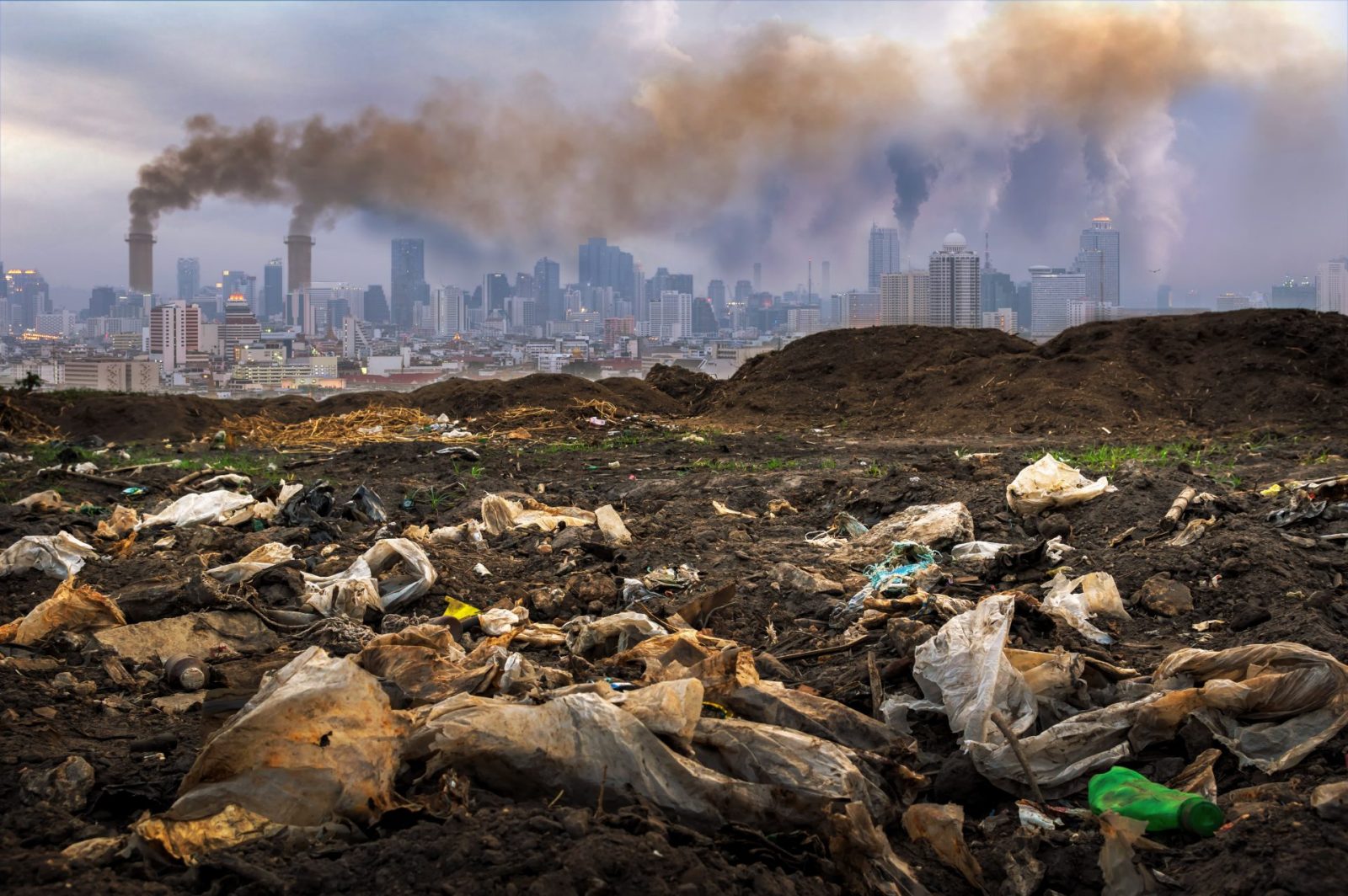
Recent findings have raised new concerns about the environmental and health impacts of PFAS, as ocean waves have been identified as a more significant source of these harmful chemicals in the air than industrial Pollution. Researchers have discovered that when ocean waves crash and create bubbles, these burst and release aerosols into the atmosphere that contain PFAS levels significantly higher than previously observed in the water.
The study, led by Ian Cousins at Stockholm University, noted that the PFAS emitted by sea spray are in concentrations hundreds of thousands of times greater than those in ocean water. This phenomenon suggests a more widespread distribution of PFAS, affecting even remote coastal areas far from direct industrial influences. Cousins emphasized the potential contamination of groundwater, surface waters, and nearby agricultural lands due to these emissions.
PFAS, or per- and polyfluoroalkyl substances, are a group of man-made chemicals encompassing over 15,000 different compounds used across various industries for their water, stain, and heat-resistant properties. Despite their utility, these chemicals are linked to severe health issues, including cancer, liver problems, decreased immunity, and reproductive issues. Known as “forever chemicals” due to their persistence in the environment and resistance to natural degradation, PFAS can travel long distances through the air, making their impact global.
This groundbreaking study analyzed sea spray aerosol samples from different regions, ranging from Southampton in the UK to Chile, and found higher concentrations in the Northern Hemisphere. The ongoing research attempts to understand the implications of PFAS on human health, especially through inhalation and the potential long-term exposure risks.
The findings underline the dynamic and cyclic nature of PFAS in the environment, challenging previous assumptions that these contaminants might dissipate in the ocean. Instead, they highlight a concerning cycle where PFAS are emitted into the atmosphere and returned to the earth, suggesting a persistent environmental challenge that could affect future generations.
Eat Less Meat: Download Food Monster, the largest plant-based Recipe app on the App Store, to help reduce your environmental footprint, save animals and get healthy. You can also buy a hard or soft copy of our favorite vegan cookbooks.
Reduce Your Fast Fashion Footprint: Take initiative by standing up against fast fashion Pollution and supporting sustainable and circular brands like Tiny Rescue that raise awareness around important issues through recycled zero-waste clothing designed to be returned and remade over and over again.
Support Independent Media: Being publicly funded gives us a greater chance to continue providing high-quality content. Please consider supporting us by donating!
Sign a Petition: Your voice matters! Help turn petitions into victories by signing the latest list of must-sign petitions to help people, animals, and the planet.
Stay Informed: Keep up with the latest news and important stories involving animals, the environment, sustainable living, food, health, and human interest topics by subscribing to our newsletter!
Do What You Can: Reduce waste, plant trees, eat local, travel responsibly, reuse stuff, say no to single-use plastics, recycle, vote smart, switch to cold water laundry, divest from fossil fuels, save water, shop wisely, Donate if you can, grow your food, volunteer, conserve energy, compost, and don’t forget about the microplastics and microbeads lurking in common household and personal care products!
Get your favorite articles delivered right to your inbox! Sign up for daily news from OneGreenPlanet.
Support
Keep One Green Planet independent — chip in what you can, or become a member and get ad-free browsing, a voice in our community, and the good feeling of fueling a sustainable, healthier, and kinder world.















Comments: