
Vegan Recipe App
T-Shirts for Activists
Newsletter
Become a Member
Partner with us
Cookbooks
Petitions
Product Features
Adopt-a-Pet
Get thousands of vegan, allergy-friendly recipes in the palm of your hands today!
X
Get your favorite articles delivered right to your inbox!
X
6 years ago
Coronavirus Cases Skyrocket as Colleges Reopen
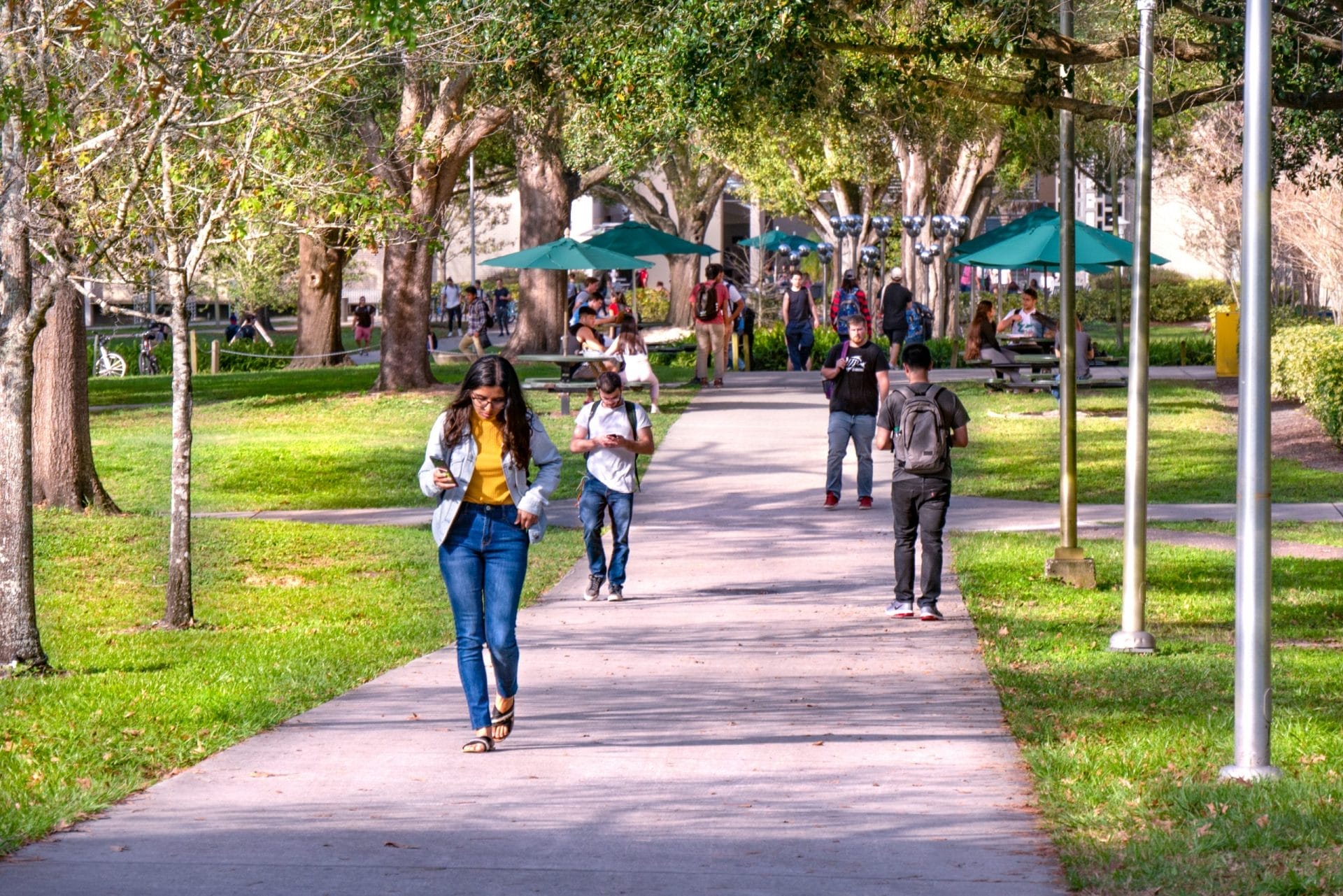
Image Credit: Leigh Trail/Shutterstock
For brands
Want to reach our audience?
As college reopen this fall amid the ongoing pandemic, COVID-19 cases have already skyrocketed.
The College Crisis Initiative, a project of Davidson College, has been tracking 2,958 higher educations institutions as the fall semester begins: 151 are planning to be fully online, 729 mostly online, 433 using a hybrid approach, and 614 are aiming to be primarily in-person. Many others are still figuring out their plans.
Although there is a deadly global pandemic, colleges and universities are also weighing financial and educational factors in addition to public health concerns in their reopening plans. Additionally, the local communities where the institutions are located play a role in reopening as well.
“Some states have very strong and stringent mask requirements. Some have stronger stay-at-home orders. Others are sort of leaving it up to localities. So the confluence of politics, institutional … imitation and different needs that the institutions have are driving the differences,” said Chris Marsicano, the professor behind Davidson’s College Crisis Initiative.
Despite the local and institutional politics, many colleges and universities have already reported major spikes in coronavirus cases as dorms have reopened and classes have started. Less than a week after the start of classes, the University of Alabama reported 531 COVID-19 cases. The University of North Carolina at Chapel Hill sent most undergraduates home due to outbreaks from partying. Notre Dame delayed in-person classes as hundreds of students tested positive. Almost 160 University of Missouri students tested positive for the coronavirus earlier this week.
Source: CBS 17 YouTube
The outbreaks are caused by a combination of inadequate resources and incomplete testing plans from colleges and universities as well as student’s failure to follow social distancing and mask-wearing regulations.
“It is just not paying attention to human psychology if you think you’re going to be able to put those kids back together and not have them go and party,” Dr. Megan Ranney, an emergency physician and associate professor of Emergency Medicine at Brown University told CNN. While some colleges and universities have unclear social distancing policies or lack resources, and they should be held accountable for their unpreparedness, the burden to limit the spread of COVID-19 also falls on students’ shoulders.
“What we have to do is recognize that we’re all in it together,” Dr. Tom Frieden, the former director of the Centers for Disease Control and Prevention, told CNN. “And any one group or any one part of the country that gets infected or has a high rate of disease is a risk potentially to every other age group and every other part of the country.”
See the map of COVID-19 cases on college campuses compiled by The New York Times.
Read more about protecting yourself from coronavirus. Check the CDC website for more information on how to protect yourself and check our latest article to learn how COVID-19 differs from the flu.
Sign this petition to Make Testing and Treatment For Coronavirus Free to Ensure Containment!
Make Testing and Treatment For Coronavirus Free to Ensure Containment!Click Here to Sign Petition
For more Animal, Earth, Life, Vegan Food, Health, and Recipe content published daily, subscribe to the One Green Planet Newsletter! Lastly, being publicly-funded gives us a greater chance to continue providing you with high-quality content. Please consider supporting us by donating!
Discover Our Latest Posts










Sign Up
Newsletter
Get your favorite articles delivered right to your inbox! Sign up for daily news from OneGreenPlanet.
Support
Keep One Green Planet independent — chip in what you can, or become a member and get ad-free browsing, a voice in our community, and the good feeling of fueling a sustainable, healthier, and kinder world.





Comments: