
Vegan Recipe App
T-Shirts for Activists
Newsletter
Become a Member
Partner with us
Cookbooks
Petitions
Product Features
Adopt-a-Pet
Get thousands of vegan, allergy-friendly recipes in the palm of your hands today!
X
Get your favorite articles delivered right to your inbox!
X
1.6K Views
3 years ago
New Revolutionary Recycling Method for Colored Plastics

For brands
Want to reach our audience?
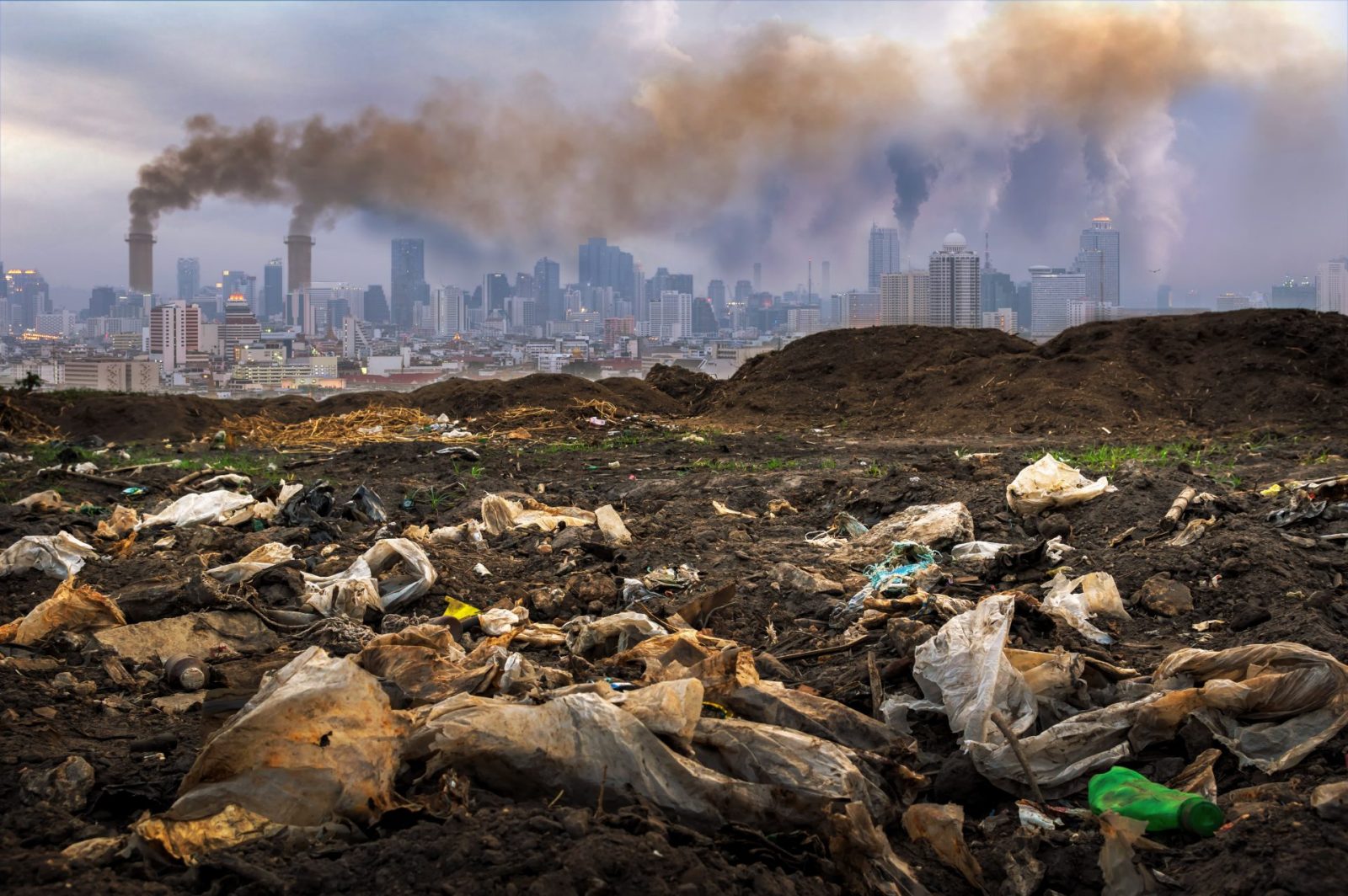
A groundbreaking method for recycling colored plastics has been brought to light by the scientific community at Cardiff University. This innovative process could represent a significant stride towards a sustainable plastic recycling economy, helping to curb Pollution on land and in our oceans.
Source: Undecided with Matt Ferrell/YouTube
Colored plastics, used extensively in drinks bottles, food packaging, clothing, and electronics, can currently be melted and reformed into new products. However, the present recycling techniques cannot effectively remove additives or colorants, which can lower the quality of the recycled material.
To address this issue, the Cardiff University team developed a chemical process called depolymerization. They essentially deconstructed the colored polymers that form the core of plastics, isolating the original components (monomers), and reconstructing them into pure, white polymers. This is an unprecedented achievement, going to the heart of addressing the plastic recycling challenge.
Dr. Ben Ward, a Senior Lecturer in Inorganic Chemistry at Cardiff University, expressed, “This is a mechanism by which you can recycle plastics infinitely and that technology just doesn’t exist for traditional plastics.”
To test the process, the researchers used a reactor in Cardiff University’s School of Chemistry. They selected specific monomers to create plastics that were robust and stable while including recyclability in the molecular design process. More monomers were added to give the plastics color, keeping the base materials’ properties intact. When they carried out the depolymerization, they found that the colors could be removed, resulting in recyclable, sustainable plastics.
The team is now working on refining this process to make it more cost-effective and to ensure the applicability of these new polymers in real-world products. Their research represents a promising development in the journey to a sustainable future, by providing a solution to the problem of plastic waste. This breakthrough method is an essential stepping-stone towards a cleaner, greener planet.

Planet B Not Found Tee by Tiny Rescue: Climate Collection
Being publicly-funded gives us a greater chance to continue providing you with high-quality content.Click here to Support Us
Related Content:
- Google Steps Up with Single-Use Plastic Challenge for Sustainable Food Packaging
- Miss USA Wore a Sustainable Homemade Swimsuit Cape Made of Plastic Bottles
- Adidas Aiming to Replace All Plastics and Polyester In Products with Sustainable Materials
- Coca-Cola and Pepsi Ditch the Plastics Industry Association for More Sustainable Practices
- DePoly Raises $13.8 Million to Revolutionize Plastic Recycling and Create a Sustainable Plastic Economy
Easy Ways to Help the Planet:
- Eat Less Meat: Download Food Monster, the largest plant-based Recipe app on the App Store, to help reduce your environmental footprint, save animals and get healthy. You can also buy a hard or soft copy of our favorite vegan cookbooks.
- Reduce Your Fast Fashion Footprint: Take initiative by standing up against fast fashion Pollution and supporting sustainable and circular brands like Tiny Rescue that raise awareness around important issues through recycled zero-waste clothing designed to be returned and remade over and over again.
- Support Independent Media: Being publicly funded gives us a greater chance to continue providing you with high-quality content. Please consider supporting us by donating!
- Sign a Petition: Your voice matters! Help turn petitions into victories by signing the latest list of must-sign petitions to help people, animals, and the planet.
- Stay Informed: Keep up with the latest news and important stories involving animals, the environment, sustainable living, food, health, and human interest topics by subscribing to our newsletter!
- Do What You Can: Reduce waste, plant trees, eat local, travel responsibly, reuse stuff, say no to single-use plastics, recycle, vote smart, switch to cold water laundry, divest from fossil fuels, save water, shop wisely, Donate if you can, grow your food, volunteer, conserve energy, compost, and don’t forget about the microplastics and microbeads lurking in common household and personal care products!
Discover Our Latest Posts









Sign Up
Newsletter
Get your favorite articles delivered right to your inbox! Sign up for daily news from OneGreenPlanet.
Support
Keep One Green Planet independent — chip in what you can, or become a member and get ad-free browsing, a voice in our community, and the good feeling of fueling a sustainable, healthier, and kinder world.





Comments: