
Vegan Recipe App
T-Shirts for Activists
Newsletter
Become a Member
Partner with us
Cookbooks
Petitions
Product Features
Adopt-a-Pet
Get thousands of vegan, allergy-friendly recipes in the palm of your hands today!
X
Get your favorite articles delivered right to your inbox!
X
1.8K Views
2 years ago
How Plastic Packaging is Damaging U.S. Household Composting Efforts
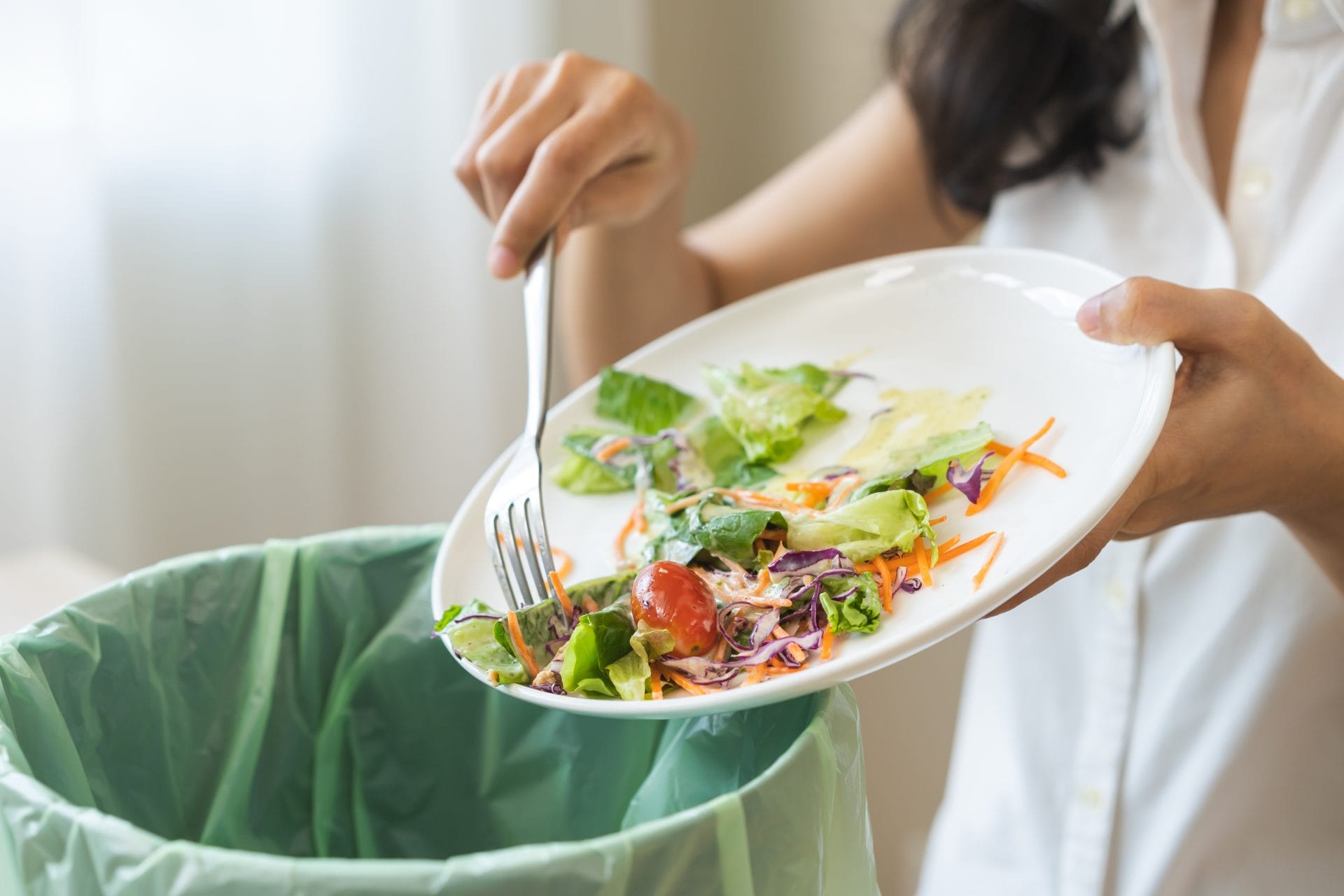
Image Credit: Kmpzzz/Shutterstock
For brands
Want to reach our audience?
As Americans embrace composting, an unintended side effect has emerged: the contamination of compost with plastic. From twist ties to cling wrap, the inclusion of non-biodegradable materials in compost bins is compromising the quality of compost across the nation. This issue arises at a time when composting facilities are adjusting from processing primarily yard waste to incorporating food scraps from households.
Source: Reactions/YouTube
Industry experts highlight that contamination, mostly by plastics, presents a major challenge for composters. The presence of plastics not only reduces the utility of the compost for agricultural purposes but also leads to the accumulation of microplastics in soil and water, which can eventually enter the food chain and human bodies.
Ron Alexander, a composting consultant from Raleigh, North Carolina, expresses growing concerns as more regions push for food waste recycling without adequate infrastructure. This shift results in reduced quality of compost and increased operational costs for facilities. In fact, a recent study by Closed Loop Partners indicates that about 21% of composters’ operational expenses are allocated to contamination removal, which often involves manual labor.
Moreover, various states, including California, have mandated composting to mitigate the environmental impacts of food waste, which generates methane, a potent greenhouse gas, when decomposed in landfills. While some large composting operations have turned to technology to separate food from packaging and sift out plastics, these solutions are costly and not always effective. The U.S. Composting Council, a trade group, has proposed national labeling requirements and global standards for compostable packaging to address these issues.
The solution may lie in enhancing consumer education. Some cities have already implemented stringent measures, such as refusing to collect bins contaminated with plastics. Yet, this approach can lead to resistance from residents, posing a political and logistical challenge.
Ultimately, reducing the use of plastic food packaging could significantly alleviate contamination in compost. Following the European Union’s recent legislation to ban single-use plastic packaging for certain products by 2030, similar measures are being considered in several US states to encourage more sustainable practices.
As composting gains popularity, addressing the challenge of plastic contamination is crucial for maintaining the integrity of the compost and supporting environmental sustainability.
Please sign this petition to Tell the EU to Ban Single-Use Disposable Vapes!
Being publicly-funded gives us a greater chance to continue providing you with high-quality content.Click here to Support Us
Related Content:
- Plastic Pollution Alliance Under Fire for Producing 1000 Times More Than They Clean Up
- Global Policies Could Slash Plastic Waste and Emissions by 2050, Study Shows
- Bill Maher Spotlights Plastic Pollution as a Critical Global Issue
- PepsiCo Wins Legal Battle Against New York State Over Plastic Pollution Claims
- Whales Mistake Plastic Trash for Food Due to Similar Sound Signatures
Easy Ways to Help the Planet:
- Eat Less Meat: Download Food Monster, the largest plant-based Recipe app on the App Store, to help reduce your environmental footprint, save animals and get healthy. You can also buy a hard or soft copy of our favorite vegan cookbooks.
- Adopt-a-Pet: Visit WildWatchers, a watchdog platform specifically designed for animal, earth, and wildlife warriors to actively give back, rescue, and protect animals and the planet.
- Reduce Your Fast Fashion Footprint: Take initiative by standing up against fast fashion Pollution and supporting sustainable and circular brands like Tiny Rescue that raise awareness around important issues through recycled zero-waste clothing designed to be returned and remade over and over again.
- Support Independent Media: Being publicly funded gives us a greater chance to continue providing you with high-quality content. Please consider supporting us by donating!
- Sign a Petition: Your voice matters! Help turn petitions into victories by signing the latest list of must-sign petitions to help people, animals, and the planet.
- Stay Informed: Keep up with the latest news and important stories involving animals, the environment, sustainable living, food, health, and human interest topics by subscribing to our newsletter!
- Do What You Can: Reduce waste, plant trees, eat local, travel responsibly, reuse stuff, say no to single-use plastics, recycle, vote smart, switch to cold water laundry, divest from fossil fuels, save water, shop wisely, Donate if you can, grow your food, volunteer, conserve energy, compost, and don’t forget about the microplastics and microbeads lurking in common household and personal care products!
Discover Our Latest Posts









Sign Up
Newsletter
Get your favorite articles delivered right to your inbox! Sign up for daily news from OneGreenPlanet.
Support
Keep One Green Planet independent — chip in what you can, or become a member and get ad-free browsing, a voice in our community, and the good feeling of fueling a sustainable, healthier, and kinder world.





Comments: