
Vegan Recipe App
T-Shirts for Activists
Newsletter
Ad-Free Browsing
Partner with us
Cookbooks
Petitions
Product Features
Adopt-a-Pet
Get thousands of vegan, allergy-friendly recipes in the palm of your hands today!
X
Get your favorite articles delivered right to your inbox!
X
3.1K Views
13 years ago
5 Things You Need to Know Before Adopting a Rescue Bird
For brands
Want to reach our audience?
Thousands of domesticated birds are abandoned every year in the U.S., many of which do not have the necessary abilities to fend for themselves in the wild. This means that they remain in shelters and temporary homes for years, causing no end of unnecessary stress and illness. One of the main reasons domesticated birds are abandoned is due to people becoming overwhelmed by the amount of care they require.
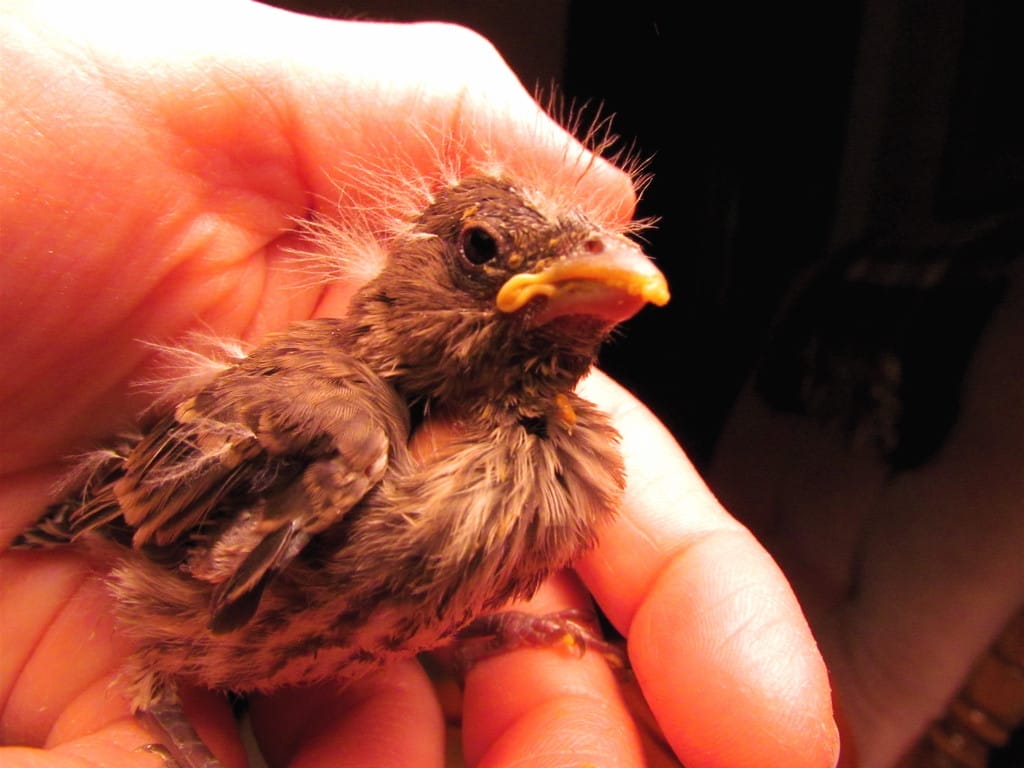
Wild birds who are injured and can no longer fly also get taken in by animal rescue centers and need looking after during the rehabilitation process. These birds require a very special type of home where they can be nursed back to health before being released back into the wild.
Before taking any bird into your home, it’s important to research the care, nutrition, and environmental needs which that particular bird may have to ensure that you can provide it with the best life possible, not forgetting that the bird you take on could live for as long as 50 years. And so, to help you along with the process, here’s a list of five essential things you need to know before adopting a rescue bird.
1. Expect some damage and destruction to your home
While you may be able to provide a loving and caring environment for a bird inside your house, this is not it’s natural environment. Birds instinctively bite and shred wood, and this can mean anything from its perch, your furniture, ornaments, door frames, or whatever else it takes a fancy too. Permeation is essential to combat this problem so be sure to provide plenty of mental stimulation in order to minimize destruction. A bird needs a lot of space to fly, hop, and jump about in as they’re extremely inquisitive creatures.
2. Flying time is essential for ALL birds
Life in a cage is no life at all for a bird and they MUST be given ample space to fly around whenever they wish. Unless you can provide an aviary or safe space for a bird to fly about, your home is most likely not the most suitable place for a rescue bird to live.
3. Birds are very sensitive to the environment
Birds’ lungs are especially sensitive to air Pollution and many toxic inhalations result in instant death. You should create an environment which is free from tobacco smoke, hairspray, cleaning solutions, chemicals, or any other items which could have a effect on their respiratory system.
4. Veterinary care can be very expensive
As birds are not “your average pets,” finding a good veterinarian who specializes in treating them can be expensive, especially if the rescue bird has been injured. It’s always a good idea to have a complete health check done on the bird when you first adopt it as they are notoriously good at hiding the symptoms of illness until they are extremely ill. Small birds require the same checks as large ones, so in this respect, vet costs are often very similar.
5. Injured birds require special protection
If you’re adopting an injured bird, whether it needs rehabilitation or will be permanently flightless, you need to ensure a safe area for it to live. When outside, it will need a netted area which protects it from birds of prey, foxes, cats, and other predators. Many birds which are able to fly freely still require a protective area where they can sleep safe from predators, and this is something which needs to be planned for before he/she arrives home with you.
Green Monsters: Are you planning on adopting a rescue bird? Or, do you have any other tips to share with those who are?
Image Source: Audrey/Flickr




No nonstick pans either teflon is bad for you and can also kill pet birds.