
Vegan Recipe App
T-Shirts for Activists
Newsletter
Become a Member
Partner with us
Cookbooks
Petitions
Product Features
Adopt-a-Pet
Get thousands of vegan, allergy-friendly recipes in the palm of your hands today!
X
Get your favorite articles delivered right to your inbox!
X
3.3K Views
2 years ago
Is Fur Really Green? Debunking the Myths of the Fur Industry

Image Credit: nomadkate/Shuttershock
For brands
Want to reach our audience?
As we dive deeper into the 21st century, one thing has become crystal clear: our awareness of the impact we have on animals, the environment, and future generations is evolving. More and more of us are questioning the ethical practices of corporations, their environmental footprints, and the sustainability of their products. A notable example of this trend is the recent campaign by the Fur Council of Canada, which boldly claims that “fur is green” and an “ecological choice in harmony with nature.” But let’s take a closer look—how accurate is this portrayal?
Understanding What It Means to Be Green
When we talk about something being “green,” we usually mean it has positive environmental attributes. We want to know if products are natural, renewable, or sustainable. So, where does fur fit into this picture?
Is Fur Really Natural?
At first glance, fur seems natural. After all, it comes from animals. But once that fur is turned into clothing, the story changes dramatically.
- The Tanning Process: To prevent fur from biodegrading, it must undergo a tanning process that involves a cocktail of harmful chemicals. Think about it: ammonia, cyanide-based dyes, and formaldehyde are just a few of the substances used. A study by the Environmental Protection Agency (EPA) pointed out that these chemicals are linked to respiratory issues and skin irritations, putting both workers and consumers at risk.
- Pollution: The production of a single fur coat can release a significant amount of pollutants into waterways, which can devastate local ecosystems. In 2018, the European Commission reported that many fur processing facilities fail to treat their wastewater, leading to the contamination of rivers and lakes. This is not just an environmental issue; it also affects the communities that rely on clean water for their livelihoods.
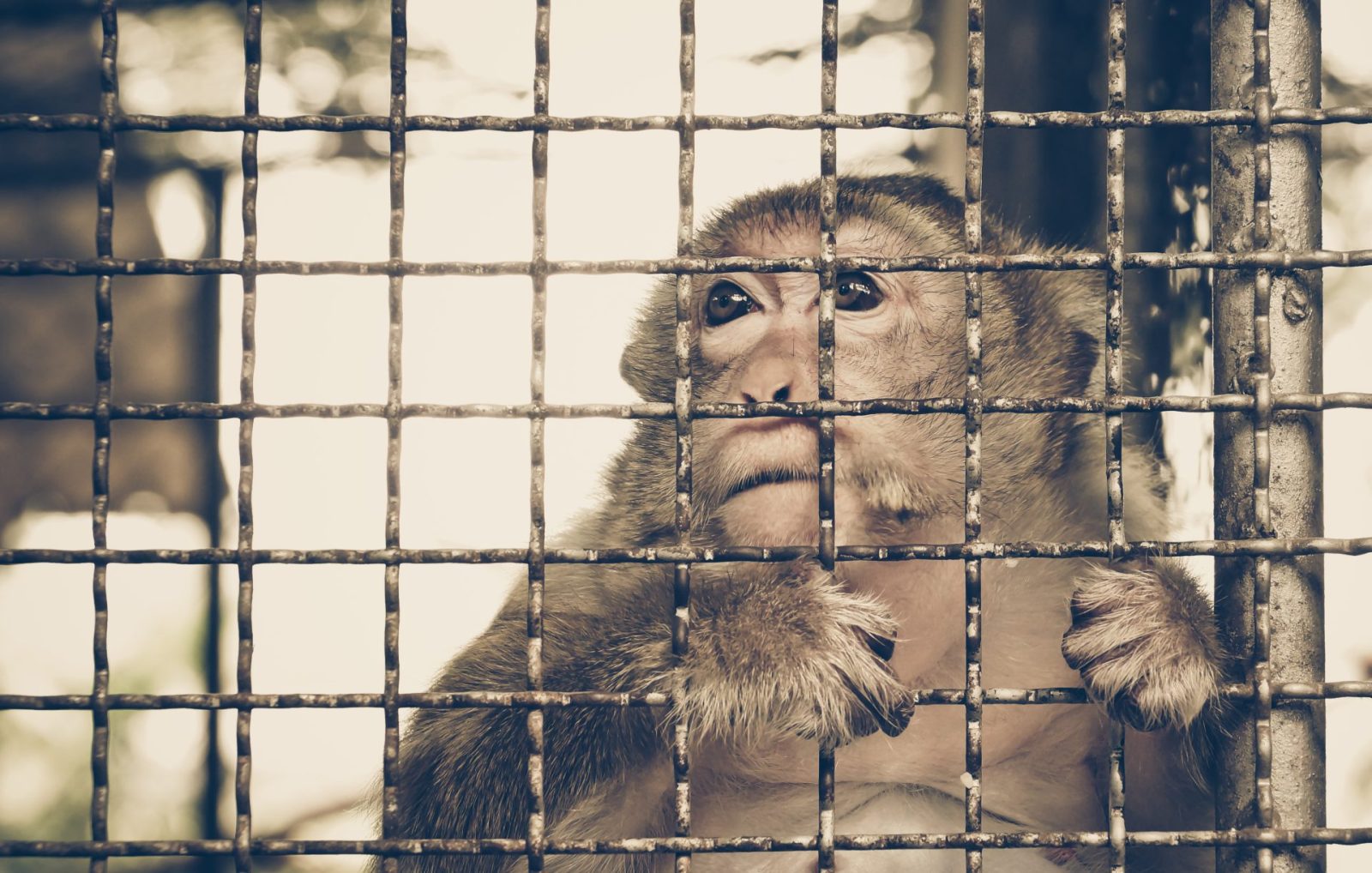
- Animal Welfare: The conditions on fur farms are far from natural. Animals like mink, foxes, and rabbits are often crammed into tiny cages, completely deprived of space and proper shelter. Investigations, such as one by Animal Equality in 2019, have revealed horrifying conditions where animals suffer from untreated injuries and live in filthy environments. These practices raise serious ethical questions about our treatment of sentient beings.
Is Fur Renewable?
Every year, about 800,000 to a million fur-bearing animals are killed. This raises significant concerns about sustainability.
- Overexploitation: The most valuable pelts come from species that reproduce slowly and exist in low numbers, leading to potential extinction. The critically endangered Amur leopard is a prime example; its fur is highly sought after, and illegal poaching continues to threaten its survival. With fewer than 100 of these beautiful creatures left in the wild, the fur trade poses a significant risk to biodiversity.
- Energy Consumption: The fur industry is not only about the animals; it also has a huge carbon footprint. Producing a single fur coat can consume three to 20 times more energy than creating a synthetic alternative. The International Fur Federation has pointed out that the energy-intensive practices associated with fur farming and processing contribute significantly to greenhouse gas emissions.
Is Fur Sustainable?
The claims of sustainability from the fur industry are often misleading.
- Bycatch and Non-Target Species: Many non-target animals, including endangered species, become collateral damage in the fur trade. According to Humane Society International, millions of these “bycatch” animals, like otters and birds of prey, fall victim to traps each year, leading to unnecessary suffering and loss of biodiversity.
- Waste and Disposal: The reality is that the killing of fur-bearing animals often results in waste; their carcasses end up in landfills or left to decompose in the wild. This not only contributes to Pollution but can also disturb local ecosystems. The fur industry’s lack of comprehensive waste management practices is a major concern.
The Reality of Green Claims
The fur industry’s claim that it is “green” is deeply flawed.
- Misleading Advertising: If consumers truly cared about the environment, they would steer clear of products that contribute to its destruction. Advertising standards agencies in various countries have ruled that claims about fur being “environmentally friendly” are misleading. For instance, in 2021, the UK’s Advertising Standards Authority rejected a campaign that touted fur as sustainable, highlighting the lack of evidence supporting such claims.
- Greenwashing Practices: The marketing tactics used by the fur industry often fall into the realm of greenwashing. They may promote “eco-friendly” fur options while sidestepping the broader environmental impacts of fur production. Terms like “eco-fur” can confuse consumers into thinking that these products are sustainable, even when they often rely on synthetic fibers derived from harmful petrochemicals.
Sustainable alternatives
- Recycled Materials: Fabrics made from recycled plastics or textiles, such as recycled polyester or nylon, offer a sustainable alternative while reducing waste.
- Organic Cotton: Soft and versatile, organic cotton is grown without harmful pesticides and is biodegradable, making it an eco-friendly choice.
- Tencel (Lyocell): This fabric is made from sustainably sourced wood pulp and produced in a closed-loop process that minimizes waste and environmental impact.
- Hemp: A durable and biodegradable fiber, hemp requires fewer resources to grow than conventional cotton, making it a sustainable choice.
- Vegan Leather: Alternatives like pineapple leather (Piñatex), mushroom leather (Mylo), and apple leather are crafted from plant materials and offer a cruelty-free substitute for traditional leather and fur.
- Faux Fur: High-quality faux fur made from synthetic materials can mimic the look and feel of real fur without the ethical concerns, though it’s essential to choose options that minimize environmental impact.
- Bamboo Fabric: Bamboo is a fast-growing, renewable resource that can be transformed into soft and breathable fabrics, making it a sustainable alternative.
- Reclaimed Wool: Wool that is sourced from second-hand garments or recycled materials reduces waste and the environmental footprint of new wool production.
By opting for these alternatives, consumers can enjoy stylish and warm clothing without contributing to animal cruelty or environmental degradation.
Staying Informed as a Consumer
To combat greenwashing, we need to stay informed. Here are some valuable resources that provide insight into the realities of the fur industry:
- Fur Is Dead: This site offers a comprehensive look at the fur industry, including statistics, ethical arguments against fur, and alternatives.
- PETA: The People for the Ethical Treatment of Animals provides extensive resources on the cruelty of the fur industry and promotes cruelty-free fashion alternatives.
- Humane Society International: This organization campaigns against fur farming and trade, providing information on animal welfare and environmental impacts.
- Good On You: This ethical fashion rating platform rates brands based on their sustainability and ethical practices, helping consumers make informed choices.
- Ethical Consumer: This site offers detailed reports and ratings on various brands, including their environmental policies and ethical practices.
- Fashion Revolution: A global movement that advocates for transparency in the fashion industry, providing resources for consumers to understand the impact of their purchases.
- The Vegan Society: Advocates for a vegan lifestyle and provides resources on cruelty-free fashion options.
- Animal Equality: This organization works on behalf of animals around the world and provides insights into the impact of the fur industry.
- The World Wildlife Fund (WWF): Offers insights into endangered species affected by the fur trade and promotes wildlife Conservation.
In summary, fur is not a green or ethical choice. If we want to make a positive impact, we need to advocate for alternatives that align with our values and protect the planet for future generations. Sustainable fashion brands like Stella McCartney, Reformation, and Everlane prioritize cruelty-free materials and stylish designs without resorting to animal exploitation. By consciously choosing alternatives that respect both animals and the environment, we can help drive the industry toward a more compassionate and sustainable future. Let’s be the change we want to see—together!
Easy Ways to Help the Planet:
- Eat Less Meat: Download Food Monster, the largest plant-based Recipe app on the App Store, to help reduce your environmental footprint, save animals and get healthy. You can also buy a hard or soft copy of our favorite vegan cookbooks or browse through vegan recipes on One Green Planet.
- Adopt-a-Pet: Visit WildWatchers, a watchdog platform specifically designed for animal, earth, and wildlife warriors to actively give back, rescue, and protect animals and the planet.
- Reduce Your Fast Fashion Footprint: Stand against fast fashion Pollution by supporting circular brands like Tiny Rescue, which create cause-based collections using recycled, zero-waste clothing designed to be returned and remade, ensuring it never ends up in a landfill.
- Shop Sustainably for Your Home: Visit SustaiNOBLE.org, an eco-friendly and ethically sourced home decor store that will empower your home with luxurious fair-trade, and sustainable products made by global artisans.
- Support Independent Media: Being publicly funded gives us a greater chance to continue providing you with high-quality content. Please consider supporting us by donating!
- Sign a Petition: Your voice matters! Help turn petitions into victories by signing the latest list of must-sign petitions to help people, animals, and the planet.
- Stay Informed: Keep up with the latest news and important stories involving animals, the environment, sustainable living, food, health, and human interest topics by subscribing to our newsletter!
- Do What You Can: Reduce waste, plant trees, eat local, travel responsibly, reuse stuff, say no to single-use plastics, recycle, vote smart, switch to cold water laundry, divest from fossil fuels, save water, shop wisely, Donate if you can, grow your food, volunteer, conserve energy, compost, and don’t forget about the microplastics and microbeads lurking in common household and personal care products!
Discover Our Latest Posts






Comments:
Sign Up
Newsletter
Get your favorite articles delivered right to your inbox! Sign up for daily news from OneGreenPlanet.
Support
Keep One Green Planet independent — chip in what you can, or become a member and get ad-free browsing, a voice in our community, and the good feeling of fueling a sustainable, healthier, and kinder world.




So, fur isn\’t "green" huh? Are the petroleum products used to make synthetic "fur" green?