
Vegan Recipe App
T-Shirts for Activists
Newsletter
Become a Member
Partner with us
Cookbooks
Petitions
Product Features
Adopt-a-Pet
Get thousands of vegan, allergy-friendly recipes in the palm of your hands today!
X
Get your favorite articles delivered right to your inbox!
X
4 years ago
4 Ways to Give Wildlife a Helping Hand This Winter
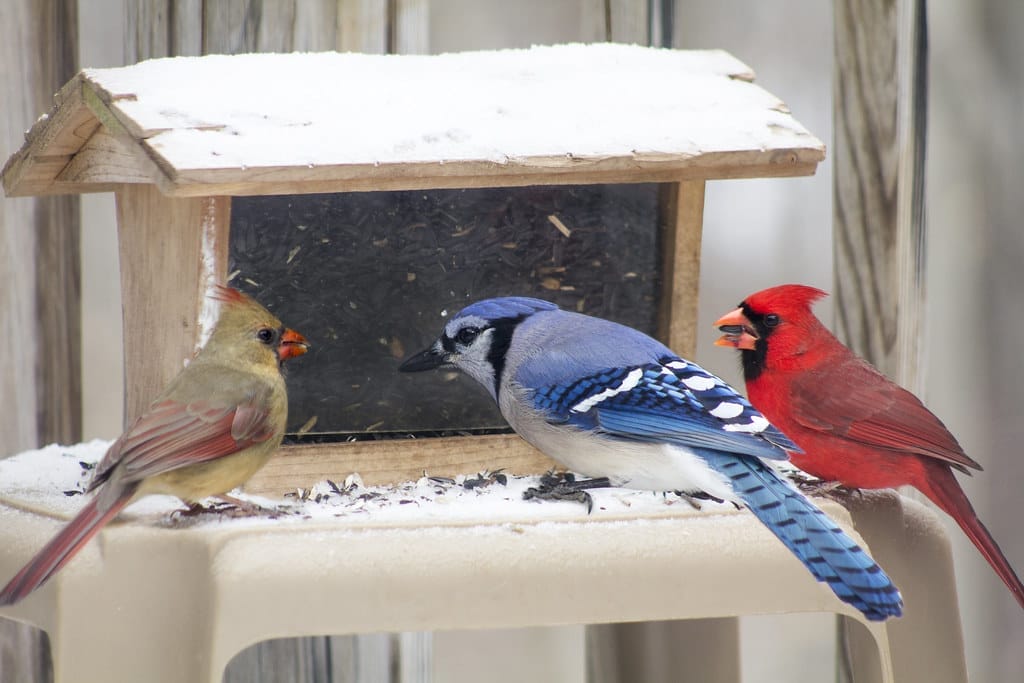
Image Credit: COLORED PENCIL magazine/Flickr
For brands
Want to reach our audience?
As pretty as a winter wonderland can be when you are looking out from inside your cozy home, things can be tougher for wild animals. As food sources become scarce and natural habitats are depleted, surviving the winter can be an arduous affair.
Though native wild animals are adapted to live in such conditions, sometimes human interference in landscapes, from deforestation to the manipulation of natural water sources, can mean that they are caught short at the harshest of times. Add this to the unpredictable weather events, and our wild friends could be in for a rough winter.
Lots of people think about creating inviting spaces for bees, birds, and butterflies during the summer months, so why not extend a hand during the colder months, too? Without interfering with wild animals in a way that can be detrimental, there are a few things you can do in your yard this winter that can give our fellow creatures a bit of a helping hand.
1. Leave the Leaves
Source: Naturehood/YouTube
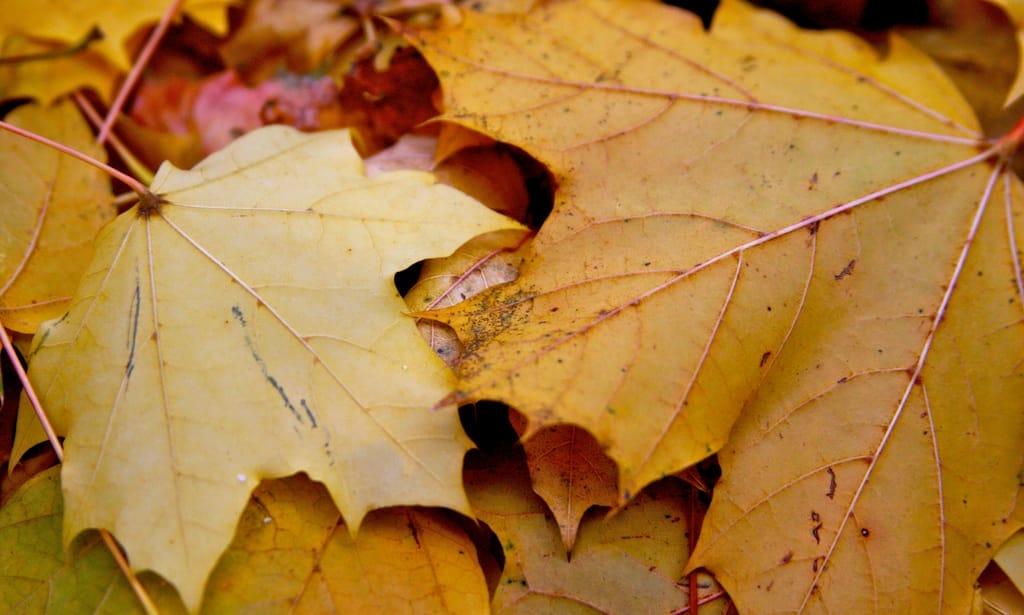
During the autumn, leaf blowers and rakes can be heard and seen all over ‘tidying up’ leaf matter that is messing up the lawn. Some folks keep these leaves and add them to compost bins or mulch their garden beds with them, while others clean them up and send the ‘away’.
If you feel inundated with leaves at your place, you don’t have to get rid of them all. Use some for your compost bins or your garden beds, but leave some for the animals, too. If you don’t want them all over your lawn, see if you can find a spot to make a leaf pile just for the critters.
Salamanders, toads, and turtles are just a few of the animals that use leaf piles as shelter and a great source of food. As well, some butterflies overwinter in leaf piles.
2. Berries for the Birds
It’s great to hang a few birdfeeders around in the winter to give our feathered friends a little extra nourishment if natural resources are scarce. Check the types of birds you have around your area and research what they like to eat. There are some fun ways to make birdfeeders for yourself without having to spend a bunch of money.
However, if you have the space, you could plant some food for the birds. Berry bushes are a wonderful way to not only add color and texture to your garden for your own pleasure, but the berries that these shrubs produce could be a bird’s favorite treat.
Check to see which winter berry-producing shrubs grow well in your area. A few shrubs to think about are hawthorns, winterberry, holly, chokeberry, barberry, and juniper.
Note: Feeding birds is a different matter from feeding other wildlife such as deer, bears, or other mammals. Contact a local wildlife authority for more information on feeding wildlife.
3. Water the Wildlife

Source: lundyd/Flickr
While there might be puddles, birdbaths, and small ponds for animals and birds to drink from on warmer days and nights, come freezing temperatures and all those water sources, well, freeze up! Animals can spend valuable energy trying to seek drinkable water.
To help, make sure that you keep a close eye on any water sources that you usually provide for birds or mammals to make sure that it isn’t solid. If you have the means, there are heated water bowls and birdfeeders for sale that can mitigate any freezing.
As a side note, if you do have a pond, make sure that you create a hole in the ice to help any fish or amphibians below. Do not dramatically break the ice or pour hot water on it. Instead, fill a metal pan with hot water and hold it on the ice until it melts. You may have to do this several times, depending on how thick the ice is.
4. Spring Clean in the Spring
As much as we like to put our gardens to bed for the winter, try not to scalp every shrub or pull up every dead annual. If you can stand it, leave a good chunk of your tidying until the spring. A bit of brush can be a lifesaver for insects, small birds, and mammals. Dried seed heads can provide food, while stalks, twigs, and leaves make great shelter or building materials.
Being publicly-funded gives us a greater chance to continue providing you with high-quality content.Click here to Support Us
Related Content:
- How to Make Your Garden Accessible to Wildlife
- 3 Humane Ways to Protect Your Gardens and Pets From Wildlife
- 5 Ways To Turn Your Garden Into A Haven For Wildlife
- 10 Ways to Protect Your Garden – and Wildlife – This Summer
- Why It is Important Not to Feed Wildlife
- 5 DIY Bird Feeders for the Home and Garden
Easy Ways to Help the Planet:
- Eat Less Meat: Download Food Monster, the largest plant-based Recipe app on the App Store to help reduce your environmental footprint, save animals and get healthy. You can also buy a hard or soft copy of our favorite vegan cookbooks.
- Reduce Your Fast Fashion Footprint: Take the initiative by standing up against fast fashion Pollution and supporting sustainable and circular brands like Tiny Rescue that are raising awareness around important issues through recycled zero-waste clothing designed to be returned and remade over and over again.
- Support Independent Media: Being publicly funded gives us a greater chance to continue providing you with high-quality content. Please consider supporting us by donating!
- Sign a Petition: Your voice matters! Help turn petitions into victories by signing the latest list of must-sign petitions to help people, animals, and the planet.
- Stay Informed: Keep up with the latest news and important stories involving animals, the environment, sustainable living, food, health, and human interest topics by subscribing to our newsletter!
- Do What You Can: Reduce waste, plant trees, eat local, travel responsibly, reuse stuff, say no to single-use plastics, recycle, vote wise, switch to cold water laundry, divest from fossil fuels, save water, shop wisely, Donate if you can, grow your own food, volunteer, conserve energy, compost, and don’t forget about the microplastics and microbeads lurking in common household and personal care products!




Comments: