Vegan Recipe App
T-Shirts for Activists
Newsletter
Become a Member
Partner with us
Cookbooks
Petitions
Product Features
Adopt-a-Pet
Get thousands of vegan, allergy-friendly recipes in the palm of your hands today!
X
Get your favorite articles delivered right to your inbox!
X
2.6K Views
3 years ago
Plant-Based Diet Linked to Lower Risk of Sleep Apnea, Study Finds
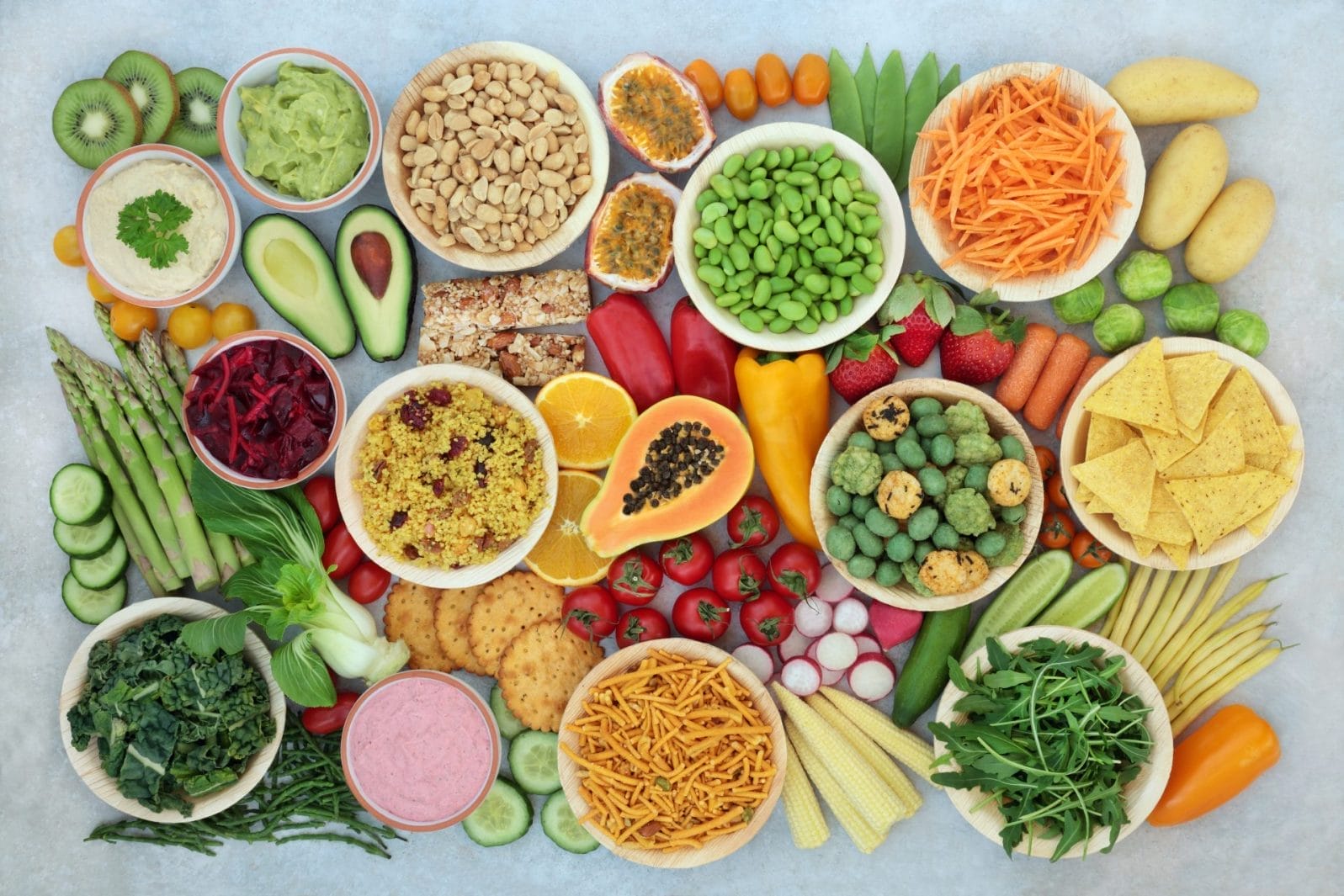
Image Credit: marilyn barbone/Shutterstock
For brands
Want to reach our audience?
A recent study published in ERJ Open Research reveals compelling evidence that adopting a healthy, plant-based diet can significantly reduce the risk of sleep apnea, a potentially serious sleep disorder affecting millions worldwide. The research, led by Dr. Yohannes Melaku from Flinders University in Adelaide, Australia, analyzed data from 14,210 participants in the US National Health and Nutrition Examination Survey. The findings indicated that individuals who consumed higher quantities of vegetables, fruits, whole grains, and nuts were 19% less likely to suffer from sleep apnea compared to those with lower intake of these plant-based, healthy foods.
Interestingly, the study also highlighted gender differences, showing that the benefits of a plant-based diet in reducing the risk of sleep apnea were more pronounced in men than in women.
The study categorized food groups into healthy plant foods (e.g., whole grains, fruits, vegetables, nuts), less healthy plant foods (e.g., refined grains, sugary drinks, sweets), and animal foods (e.g., dairy, meat, eggs). Participants provided 24-hour dietary information and completed questionnaires assessing their likelihood of suffering from sleep apnea.
Sleep apnea, characterized by narrowed airways during sleep leading to breathing interruptions, has been associated with various factors including obesity, smoking, alcohol consumption, and sleeping positions. Symptoms often include loud snoring, intermittent breathing patterns, and waking up abruptly with gasping or choking sensations. Moreover, research has linked obstructive sleep apnea to an increased risk of cardiovascular diseases, irregular heartbeats, stroke, type 2 diabetes, high blood pressure, and depression, underscoring the importance of effective management strategies.
Dr. Melaku emphasized the significance of diet quality in mitigating the risk of obstructive sleep apnea, suggesting that a plant-based diet may help reduce inflammation and obesity, two key factors contributing to the condition’s development. Diets rich in anti-inflammatory components and antioxidants while low in harmful dietary elements could influence factors such as fat mass, inflammation, and muscle tone, all of which are relevant to sleep apnea risk.
Being publicly-funded gives us a greater chance to continue providing you with high-quality content.Click here to Support Us
Related Content:
- Plant-Based Diet Improves Health and Longevity, Research Finds
- Adding Plant-Based Meals Could Save American Workplaces 200,000 Miles Worth of Emissions, Says New Research
- Research Finds Plant-Based Diets Help Prevent and Manage Kidney Disease
- New 5-Year Research Program Will Examine How Plant-Based Diets Can Prevent Chronic Illnesses
- World Cancer Research Fund Emphasizes Eating Plant-Based and Leaving Processed Meat Off Your Plate to Combat Cancer
Easy Ways to Help the Planet:
- Eat Less Meat: Download Food Monster, the largest plant-based Recipe app on the App Store, to help reduce your environmental footprint, save animals and get healthy. You can also buy a hard or soft copy of our favorite vegan cookbooks.
- Reduce Your Fast Fashion Footprint: Take initiative by standing up against fast fashion Pollution and supporting sustainable and circular brands like Tiny Rescue that raise awareness around important issues through recycled zero-waste clothing designed to be returned and remade over and over again.
- Support Independent Media: Being publicly funded gives us a greater chance to continue providing you with high-quality content. Please consider supporting us by donating!
- Sign a Petition: Your voice matters! Help turn petitions into victories by signing the latest list of must-sign petitions to help people, animals, and the planet.
- Stay Informed: Keep up with the latest news and important stories involving animals, the environment, sustainable living, food, health, and human interest topics by subscribing to our newsletter!
- Do What You Can: Reduce waste, plant trees, eat local, travel responsibly, reuse stuff, say no to single-use plastics, recycle, vote smart, switch to cold water laundry, divest from fossil fuels, save water, shop wisely, Donate if you can, grow your food, volunteer, conserve energy, compost, and don’t forget about the microplastics and microbeads lurking in common household and personal care products!










Comments: