Vegan Recipe App
T-Shirts for Activists
Newsletter
Become a Member
Partner with us
Cookbooks
Petitions
Product Features
Adopt-a-Pet
Get thousands of vegan, allergy-friendly recipes in the palm of your hands today!
X
Get your favorite articles delivered right to your inbox!
X
5 years ago
3 Ways to Avoid Animal Rights Litigation

Image Credit: etonastenka/Shutterstock
For brands
Want to reach our audience?
While we don’t Support consuming animal products, we do believe it’s important for big animal agriculture companies to be honest and upfront about their farming practices.
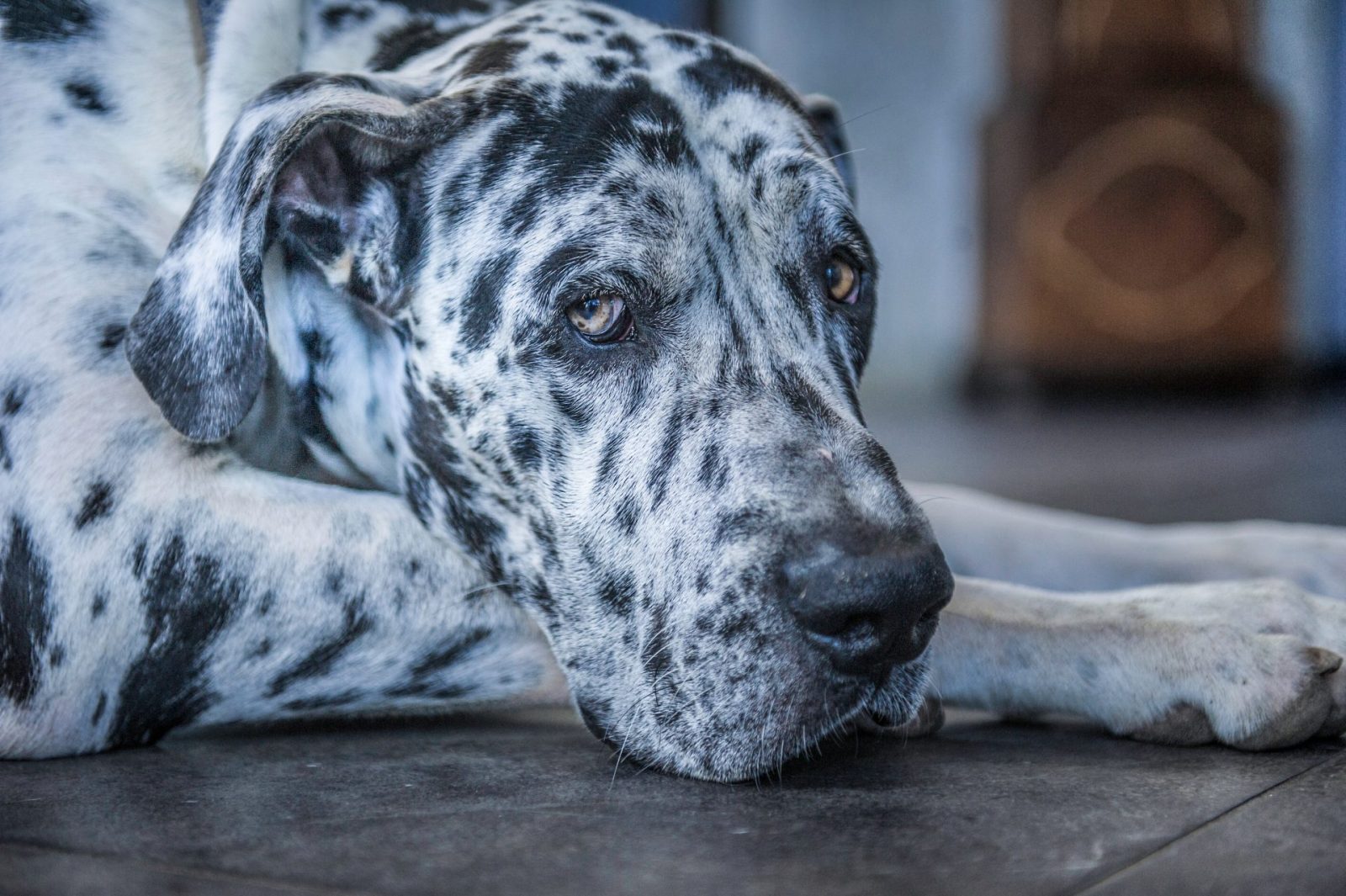
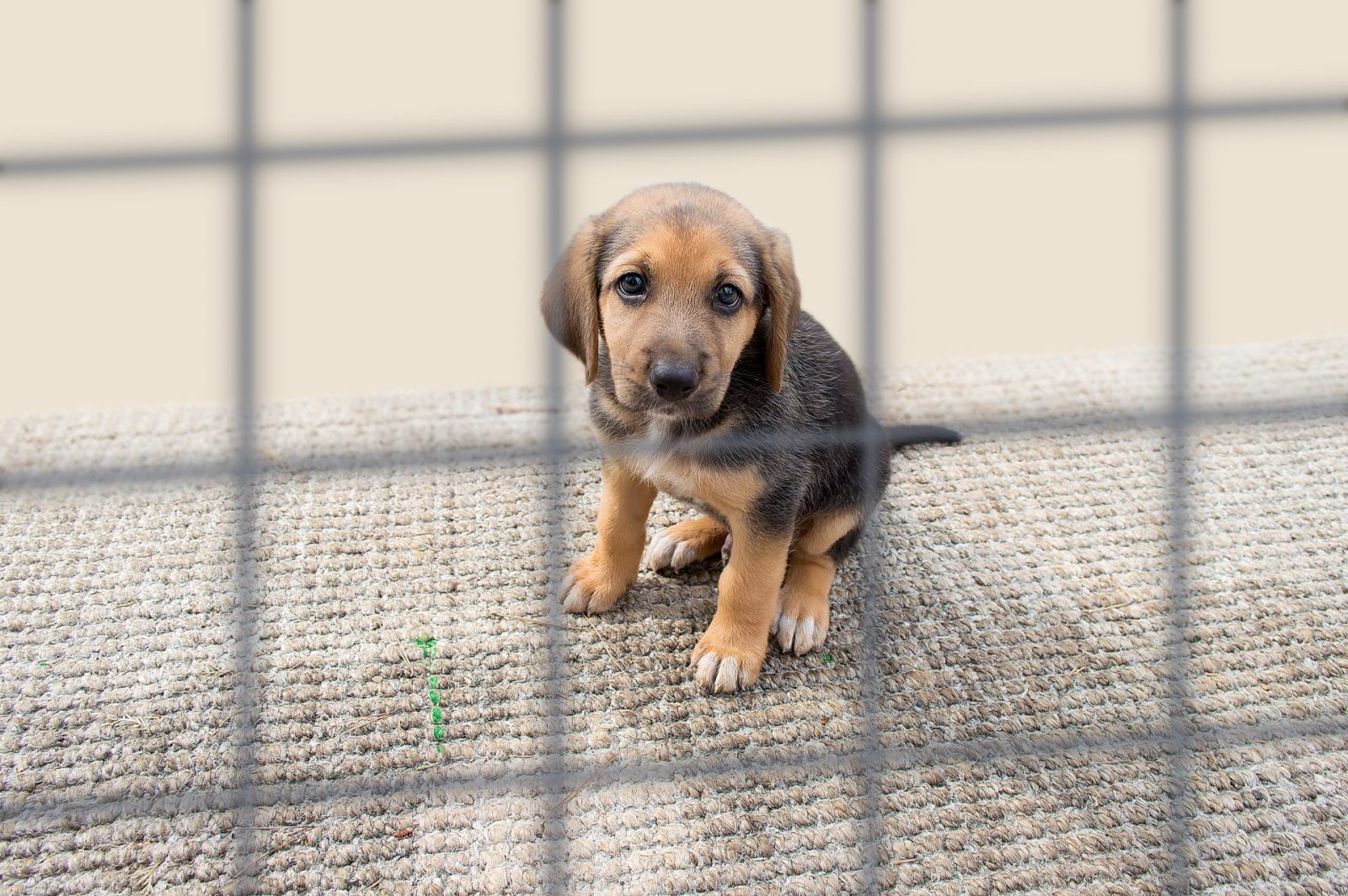
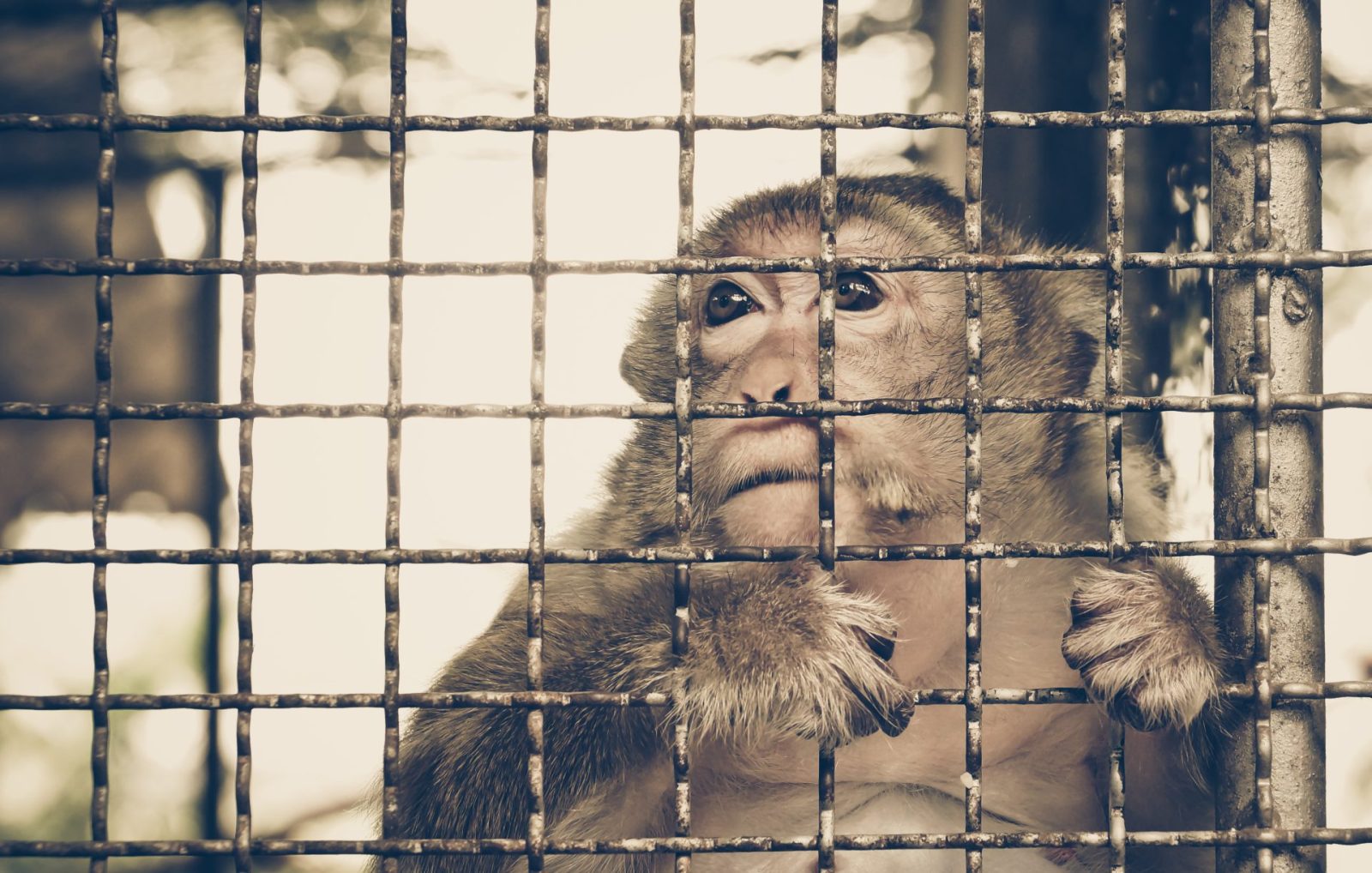
However, Big Meat corporations aren’t the only ones who need to be upfront about their practices. Zoos, puppy mills, and research laboratories also have a responsibility to treat their animals correctly and be transparent about that treatment.
The Animal Legal Defense Fund (ALDF) “litigate[s] cases in state and federal courts with the goal of stopping abusive practices and setting ground-breaking precedent that will establish justice for animals in the legal system.” Deceptive marketing practices are one of many things they seek legal action against.
Here are things for industries working with animals to keep in mind to avoid Animal rights litigation and stay honest with their customers about how their animals are treated.
Humane Washing
“Humane washing” is when companies use specific vocabulary and marketing to convince more mindful consumers that their product is more ethical or sustainable, and therefore a better option than ‘conventional’ brands. The ALDF recognizes that humane washing takes business away from companies, particularly plant-based companies, who are providing ethical and humane products. This marketing tactic also belittles animals’ experiences and tricks consumers into purchasing products that aren’t ethical.
The reality is animal abuse is systematic, and while people may purchase ‘ethical’ animal products with the best intentions in mind, it does not change the fact that billions of animals are killed every year in factory farms. Killing humanely is impossible.
Animal Welfare Laws
Training staff in factory farms is essential. People handling animals should know how to treat them correctly. Out of the 10 billion animals tortured and killed every year, 97% of them are farm animals. During the pandemic, there were mass killings of animals who could no longer be sold at markets. Animals were gassed and smothered, among other gruesome and slow killing methods.
There are also countless incidents of individual workers needlessly harming animals. We could go into even more detail, with every account getting more gut-wrenching than the last.
Farming organizations warn farmers to train their employees and give them information about how to treat animals. However, this information is framed as a way to help them avoid lawsuits from Animal rights activists. The well-being of animals is not mentioned. You can read more about how they demonize activists and belittle work done by them on their website here.
The “28 Hour Law”
The American “28 Hour Law”, created in 1873, states that drivers carrying animals meant for slaughter must stop every 28 hours to let their animals eat, drink, and exercise. However, this law does not apply if there is access to food and water in the vehicle. Birds are also exempt from this law, despite being the most common factory farm animal in the country.
Birds are also the exception to the Humane Slaughter Act which states that animals must be stunned before being killed to “minimize pain”. There is no evidence to suggest that birds feel any less pain than any other animal.
Policy is Everything
Despite animal-rights activists’ bold attempts to decrease the amount of torture and slaughtering animals endure, the factory farming industry is purely interested in profits and avoiding lawsuits. Creating and enforcing policies that companies must follow is the only way to protect the billions of animals being bred for death. Animal agriculture is responsible for the destruction of rainforests and the murder of innocent creatures. It is never okay.
Sign this petition today to tell the United States Postmaster General to end the practice of shipping live chicks in the mail.
Stop Shipment of Live ChicksClick Here to Sign Petition
Related Content:
- Can Animal Welfare Labels Be Trusted?
- New Study Warns “Greenwashing” is Widespread Among Online Retailers
- 5 Ways to Spot Greenwashing
- Sick of Being Deceived by Big Meat Marketing? Time to #EndHumaneWashing
For more Animal, Earth, Life, Vegan Food, Health, and Recipe content published daily, subscribe to the One Green Planet Newsletter! Lastly, being publicly funded gives us a greater chance to continue providing you with high-quality content. Please consider supporting us by donating!
Being publicly-funded gives us a greater chance to continue providing you with high-quality content.Click here to Support Us
Discover Our Latest Posts







Sign Up
Newsletter
Get your favorite articles delivered right to your inbox! Sign up for daily news from OneGreenPlanet.
Support
Keep One Green Planet independent — chip in what you can, or become a member and get ad-free browsing, a voice in our community, and the good feeling of fueling a sustainable, healthier, and kinder world.




Comments: